Aditi Nayar stated that they generally agree with the Monetary Policy Committee's (MPC) growth forecasts for the 2027 fiscal year, despite some discrepancies in quarterly projections.
At the August 2026 meeting, the MPC predictably maintained the status quo on interest rates and policy stance. The decision to hold rates at the current level was supported by limited data on the spread of inflationary pressures, moderate core inflation excluding precious metals, and the recovery of rainfall in the Southwest Monsoon in July 2026 after a significant deficit in June 2026. These factors also contributed to the shift in the policy document towards a relatively neutral tone, unlike the hawkish tone in June 2026.
The Committee slightly increased its real GDP growth forecasts for the 2027 fiscal year to 6.7 percent from 6.6 percent set in the June policy, due to an increase in the first quarter forecast by 40 basis points (bps) to 7 percent, driven by stronger-than-expected high-frequency indicators for this quarter.
Although the second quarter growth forecast was raised by 10 bps to 6.4 percent, the forecasts for the third and fourth quarters remained unchanged—6.5 percent and 6.8 percent, respectively. The report noted that insufficient and uneven rainfall poses risks to the agricultural sector and rural consumer demand. Nevertheless, comments regarding urban demand, investment activity, and exports were sufficiently positive. The MPC assessed that growth risks are balanced, which is a change from the previous assessment of downside risks at the June 2026 meeting.
According to their analysis, growth in volumes across several high-frequency indicators was quite robust in the first quarter of the 2027 fiscal year. However, the overall GDP growth figure may turn out slightly below the MPC's estimate for this quarter due to margin compression caused by rising commodity costs, which is expected to affect value-added growth across sectors. They are more optimistic about the growth results in the second half of the 2027 fiscal year, unless geopolitical uncertainty worsens.
Nevertheless, they believe that growth risks are skewed towards downside. In their view, investment activity is supported by some new sectors, and any adverse geopolitical events could negatively impact private sector sentiment and activity in the near term. Although the risk of fiscal slippage currently appears moderate, prolonged tension in the Middle East and high commodity prices could constrain public capital expenditure, which has played a vital role in infrastructure support.
Regarding inflation, the CPI inflation forecast for the 2027 fiscal year was slightly lowered to 5.0 percent from 5.1 percent stated at the June 2026 meeting, linked to the first quarter figure coming in below forecast, and a 40 bps reduction in the second quarter forecast to 4.7 percent. The third quarter forecast remained the same at 5.9 percent, while the fourth quarter forecast was slightly raised to 5.5 percent; a new forecast for the first quarter of 2028 fiscal year was also released at 5.3 percent.
Unlike the 10 bps decrease in the overall CPI forecast for 2027, the core inflation forecast was reduced more sharply—by 40 bps to 4.3 percent from 4.7 percent at the June meeting. This indicates that the non-energy component, including food and fuel, was revised upwards since the last meeting amid uneven monsoon patterns. Furthermore, the MPC emphasized that core inflation excluding precious metals is expected to be lower in the near future, suggesting that demand pressure remains subdued before catching up with core inflation by the end of the fiscal year.
The MPC's inflation forecasts align with their own assessment. Here too, the Committee shifted to a balanced risk assessment, unlike the previous growth risk assessment. Overall, they believe that the Committee's growth and inflation forecasts are appropriate given an average crude oil price of $80–$85 per barrel and moderate rainfall deficits.
The tone of the MPC document does not suggest an imminent tightening of monetary policy, indicating a continuation of the extended pause. Nevertheless, they continue to believe that the next rate move will be an increase. The MPC's own forecasts show that CPI inflation will exceed the 5 percent mark in the third and fourth quarters of the 2027 fiscal year and in the first quarter of 2028 fiscal year, significantly above the middle of the target range of 2–6 percent, suggesting that real policy will remain tight.
The policy document also highlights the 'need to recalibrate interest rates in line with evolving growth and inflation dynamics, especially the normalization of core inflation from its favorable levels observed so far.' They interpret this as a necessity to adjust interest rates, particularly in real terms, as CPI inflation will sharply rise to 5.0 percent in the 2027 fiscal year compared to an unusually low 2.1 percent in the 2026 fiscal year.
The timing of this shift in the rate cycle depends on the trajectory of crude oil prices, which have been particularly volatile since the escalation in the Middle East, their pass-through to retail fuel prices, and the outcomes of rainfall during the remainder of the monsoon season. Currently, they believe that a tighter monetary policy might begin at the December 2026 meeting, especially if there is evidence of spreading inflationary pressures.
Indian startups continue to attract capital in the capital markets, albeit at lower valuations, while fresh investments are directed towards companies operating in the deeptech sector. Today's headlines cover the latest developments across various sectors.
A e-commerce enablement platform based in Gurugram reduced its initial public offering size by 31%, lowering it from 2,342 crore rupees to 1,618 crore rupees ahead of its market debut scheduled for August 12th.
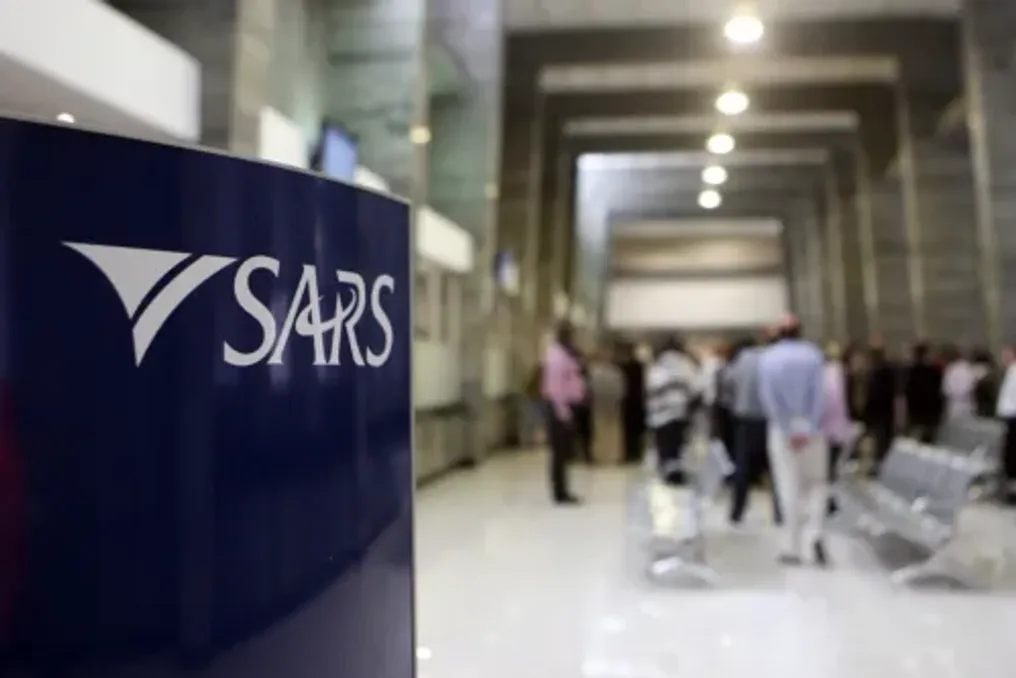
The National Treasury and the South African Revenue Service (SARS) have published the draft Tax Legislation Amendment Bill for 2026 (TLAB) and the draft Administrative Tax Legislation Amendment Bill (TALAB) for public comment. These documents contain a number of changes in taxation and administration that were announced in the 2026 budget.
Xiaomi reinforces its presence in the Brazilian market by making powerful smartphones at accessible prices available, and the current offers on Amazon demonstrate this proposal. Three models were selected, ranging from the entry-level to the mid-range category, ideal for those who want to upgrade their device while maintaining a good level of performance.
Cresa produces hot water soluble sanitary pads that are fully biodegradable, plastic-free, and decompose in 80 seconds. This plant-based innovation addresses waste disposal issues, dignity for sanitation workers, and menstrual stigma.
Influencer Anushka Rathod discussed topics such as responsible content creation, financial female empowerment, and emphasized that wealth accumulation ultimately depends on small, consistent habits.
The Mumbai-based investment house Piper Serica, which operates in public and private markets, raised 300 crore rupees in the first closing of its 800 crore rupee Bharat Tech Fund. According to the statement, nearly 50% of the commitments for the first close came from existing Fund I investors, including institutional investors, family offices, and high-net-worth individuals.
HomeRun, a quick commerce platform for building and interior materials, attracted $12 million in a Series A+ funding round led by Nexus Venture Partners with participation from existing investors Sorin Investments, Titan Capital, Sparrow Capital, and Consumer Collective by Atrium.
Alternative lending platform BlackSoil invested 80 crore rupees in Mumbai-based fintech SaaS company Mintoak to finance the debt component of its acquisition of ICC Loyalty, headquartered in Dubai. This acquisition expands Mintoak's presence to over 20 countries, including partnerships with more than 50 banks such as HDFC Bank, Axis Bank, SBI Payments, and Emirates Islamic.
The combined entity now serves over five million merchants, 11 million customers, and processes an annual payment volume exceeding $93 billion. BlackSoil noted that the investment was driven by Mintoak's profitable growth, strong banking relationships, and technology-driven business model. The merged business generates over $30 million in annual revenue, reflecting BlackSoil's increasing focus on financing acquisitions and tech-enabled enterprises.
Deeptech startup Consint.AI raised 22 crore rupees in a Series A funding round led by BIG Global Investment JSC, Equanimity Ventures Trust II, and Seafund Venture India Scheme I. The capital raised will be used to accelerate international expansion, strengthen corporate delivery, and develop a core artificial intelligence model designed for fraud, loss, and abuse detection in insurance and banking. Consint.AI reported that its AI platform has analyzed over 100 million transactions, identifying fraud worth over 1,000 crore rupees, and implemented over 500 AI and machine learning models. The startup also plans to expand its offerings in healthcare and insurance while scaling operations in India, the Middle East, Africa, Southeast Asia, and the United States.
Cosmetics and personal hygiene brand Typsy Beauty raised 20 crore rupees in a funding round led by Saama Capital, with participation from existing and new strategic investors, including Sanjay Kapur, Tanaz Batia, SRF Group, and the family offices of Havells and Eicher Motors. The company intends to use the funds to strengthen its quick commerce and offline retail presence, enter the skincare segment through hybrid makeup and skincare products, and scale its fragrance business.
Typsy Beauty currently offers 27 products across makeup and fragrance categories and sells them through its own website, as well as on platforms like Nykaa, Amazon, Myntra, Flipkart, Tira, Blinkit, and Zepto. The company expects to launch over 10 new products in the coming months.
Food delivery startup Amigo raised 4.5 crore rupees in funding from Foxhog Ventures to expand its business of delivering fresh produce at affordable prices. Founded by entrepreneurs Anshuk and Saswat, the startup aims to provide freshly prepared meals at reasonable prices, focusing on quality and consistency. The company plans to start operations in Kolkata before expanding to other markets. Amigo stated that it intends to differentiate itself in India's competitive food delivery market through value-based pricing and a strong emphasis on fresh, customer-expectation-aligned meals. The investment will support market launch, operational expansion, and customer acquisition as the startup strives to establish a sustainable presence in the country's rapidly evolving online food delivery ecosystem.
PhonePe launched instant deposit distribution on its platform in partnership with banks and NBFCs, and introduced the Daily Recurring Deposit digital product jointly with Shivalik Small Finance Bank. The new savings offering allows customers to start investing by depositing as little as 100 rupees daily, thereby encouraging disciplined savings.
Users can also compare and book fixed deposits directly within the PhonePe app and manage multiple deposits through a single interface. Fixed deposits offered through partner banks are insured up to 5 lakh according to the guidelines of the Deposit Insurance and Credit Guarantee Corporation. PhonePe stated that this launch expands its financial services portfolio by providing customers with safe and low-risk saving options.
The UPI Super.money platform launched splitStore—a credit-based checkout solution that allows consumers to break down purchases into interest-free installments in partnership with regulated lenders. The company stated that this offering integrates credit directly into the payment process, making purchases more accessible and promoting responsible borrowing.
Super.money noted that splitStore is designed to help India's growing population who are accessing credit for the first time build a formal credit history through timely repayments. The launch marks the company's evolution from a UPI payment platform to a broader commercial and financial ecosystem that combines payments, purchases, and embedded credit. The company believes the new 'split-commerce' model will improve accessibility and increase access to formal credit for digital consumers.
Space technology startup HEX20 from the Technopark signed a Multi-Launch Agreement with Skyroot Aerospace for orbital payload demonstration and Earth observation constellation missions. Under this agreement, HEX20 secured three dedicated launches on Skyroot's Vikram carriers starting in the fourth quarter of 2027.
These missions will support the HEX20 spacecraft and also provide ride-sharing opportunities for third-party satellites. The partnership combines Skyroot's launch capabilities with HEX20's expertise in spacecraft design, payload integration, ground operations, and mission delivery. The companies stated that the collaboration aims to create an integrated ecosystem covering spacecraft development, launch services, orbital operations, and Earth observation data from India.
Boeing announced seven teams, comprising university students and early-stage startup entrepreneurs, who were winners of the fifth cohort of the Boeing University Innovation Leadership Development (BUILD) 2026 program. Winners include Aerosearch Technologies, Alkamy Carbon, DIASOL Pvt. Ltd., EarthSprint Solutions Pvt. Ltd., Oreejoy MedTech Pvt. Ltd, StelX Dynamics, and SWRN Systems Pvt. Ltd. These winners will receive additional support from Boeing and partner incubators over the next few months to help transform their ideas into market-ready and viable business solutions.
Each winning team will receive a grant of 10 lakh rupees to support the development of their ideas. Over the past five years, the BUILD program has received over 7,000 applications and supported more than 35 startups in sectors such as aerospace and defense, technology, sustainability, and social impact.
Engineering services company Quest Global appointed Emiko Higashi, Dr. John Hillen, Sabine Kollegen, and Rostov Ravana as independent directors to its board, increasing the leadership to 12 members. These appointments increase female representation to one-third of the board and aim to strengthen governance and strategic oversight as the company expands into sectors such as aerospace, automotive, energy, healthcare, rail transport, and semiconductors. The new directors bring experience in investment management, defense, corporate transformation, cybersecurity, and artificial intelligence. Quest Global stated that these appointments reflect its commitment to diverse leadership and long-term growth while enhancing strategic thinking and governance as it scales its global engineering services business.
Paramotor Digital Technology entered into an agreement with Aditya Birla Capital Digital Limited (ABCDL) for the distribution of prepaid payment instruments, including digital and physical prepaid cards and gift cards. Under the partnership, Paramotor will leverage its fintech expertise and digital distribution network to expand ABCDL's reach of prepaid payment solutions among corporate and retail clients. The company will also ensure compliance with Reserve Bank of India regulations, consumer protection standards, and best industry practices. The collaboration aims to enhance the availability of secure and technologically advanced prepaid payment products, combining Paramotor's partner ecosystem with ABCDL's regulated payment infrastructure to support wider adoption across India.
InCred Capital appointed Abhinav Khanna as Chief Executive Officer – Capital Markets to lead its business in institutional equities, equity markets, and asset services. Khanna possesses over 25 years of experience in institutional equities, capital markets, and investment management, working in India, the UK, and the Middle East. He previously served as Managing Director and Chief Business Officer for Global Affairs at ValueQuest Investment Advisors. He also spent over a decade at Citigroup Global Markets, holding leadership roles including Managing Director and Head of Equity for India. InCred stated that this appointment will help strengthen its franchise in institutional equities and capital markets and accelerate future growth.
InsuranceDekho appointed Rohan Mittal as Group Chief Financial Officer to strengthen its leadership team as the company enters the next phase of growth. Mittal will oversee finance, capital strategy, and corporate governance, bringing nearly two decades of experience in listed and fast-growing companies. He most recently served as Group CFO at RateGain, where he played a key role during the $280 million acquisition of Sojern. He also held senior financial leadership positions at Yatra Online, Allcargo-Gati, and Rivigo. InsuranceDekho stated that his experience in business scaling, capital management, and driving strategic growth will support the company's long-term expansion plans.
Snapdeal introduced a multifunctional AI suite, including personalized recommendations, conversational search, and image-based product search to enhance online apparel shopping. The company stated that its AI-powered recommendation engine, StyleMatch, now influences 76% of customer orders by analyzing browsing behavior, purchase history, location, and preferences to personalize recommendations. Snapdeal also processes over five million AI searches monthly using large language models, allowing customers to search naturally instead of relying on product keywords. The company stated that the new AI capabilities are intended to make product discovery more intuitive and accessible, especially for shoppers in Bharat, while boosting customer engagement and purchase quality on its platform.
Hexaware Technologies became a member of the Microsoft Intelligent Security Association (MISA)—a global ecosystem of software developers and security partners that integrate with Microsoft security solutions. Hexaware's solution for Microsoft Azure and Microsoft 365 provides comprehensive security.
The drafts were released on July 30, 2026, and are available for public feedback until August 28, 2026. After the consultation period concludes, the Treasury and Revenue Service will review all submitted proposals before finalizing the legislation and submitting it to Parliament.
According to information from Tax Consulting South Africa, the drafts include measures aimed at improving tax administration, closing loopholes in tax legislation, and making technical adjustments to existing laws.
The accompanying memorandum to TLAB describes the proposed amendments concerning personal income tax, savings and employment, business in general, business incentives, financial institutions, international tax matters, VAT, and the Carbon Tax Act.
Key Proposals in the Drafts
Among the key proposals outlined in the drafts are the following points:
Donation Tax: The proposed changes will limit the exemption from donation tax between spouses if the receiving spouse is not a South African tax resident. The aim is to prevent the use of changing tax residency to evade donation tax and capital gains tax.
Special Economic Zones (SEZs): New transfer pricing rules are proposed for certain transactions between SEZ companies and related entities outside the SEZ.
Medical Programme Tax Credits: The proposals will expand the right to receive tax credits for members of certain limited medical programmes by incorporating the definition of these programmes into tax legislation.
Controlled Foreign Companies (CFCs): Amendments are planned to align currency transfer rules between Controlled Foreign Companies and Internal Asset Management Companies. These changes are set to take effect on January 1, 2027.
VAT and Used Goods: Additional documentation requirements are proposed for sellers of used goods to help reduce fraudulent VAT claims and bring requirements into compliance with the Used Goods Act and its regulations.
Tax Refunds: Banks will be allowed to verify certain tax refunds before or after payment, which will help identify suspicious transactions and support SARS investigations.
Tax Compliance Status: The legislative draft also provides for changes to address an issue in the Tax Administration Act, where taxpayers may not be recognized as proper taxpayers while applications for suspension of tax payments or relief from penalties are under consideration.
Xiaomi Redmi 15C — Black (8GB RAM / 256GB ROM)
The Redmi 15C was launched targeting users looking for a reliable device for daily use without difficulties. Equipped with 8GB of RAM and 256GB of internal storage, it offers ample space to store photos, videos, and applications. Its Midnight Black design gives it an elegant and sober look, while the Redmi line's hardware ensures smooth operation during daily tasks.
The Redmi Note 15 represents a significant advance compared to previous versions of the series, focusing on more efficient cameras, a high refresh rate screen, and long battery life, features that qualify it well in the mid-range segment. In the Blue variant, the device combines good performance with a distinct look. Its configuration of 8GB of RAM and 256GB of storage is ready for intensive users.
In the same generation, the Redmi Note 15 is also available in Black, a classic option for those who prefer a discreet and durable finish. The specifications of this model are identical to the Blue version, including 8GB of RAM, 256GB of storage, in addition to the attributes that highlighted the Note 15 in the category, such as fast processing, multi-functional camera, and battery life superior to the average for its price range.
Since stock on Amazon can change frequently, it is recommended to check the links immediately to confirm the availability of each model. For those planning to switch phones, these three Xiaomi devices provide an excellent ratio between cost and performance, and the current conditions can be checked directly on the store through the indicated buttons.