Colleagues of Monica McGrath from Johns Hopkins University conducted a prospective cohort study and found that circumcision of newborns in medical institutions is not correlated with an increased probability of developing autism spectrum disorders.
Colleagues of Monica McGrath from Johns Hopkins University conducted a prospective cohort study and found that circumcision of newborns in medical institutions is not correlated with an increased probability of developing autism spectrum disorders.
The study analyzed data collected across 14 ECHO research sites, covering 2,771 boys between February 2003 and September 2025. Generalized linear and logistic regression models were used to assess the link between circumcision and subsequent autism spectrum disorders. The results of this study were published in JAMA Pediatrics.
According to the data, 66 percent of the studied boys underwent circumcision before being discharged from the maternity hospital. Among the seven percent of participants who were later diagnosed with autism spectrum disorders (on average at age 3.8 years), the distribution was as follows: after circumcision, this percentage was six percent, whereas without the procedure, it reached nine percent.
However, after accounting for various confounding factors, no significant association was found between medically performed circumcision and the diagnosis of autism spectrum disorders, or autistic traits identified by the SRS-2 and CBCL scales.
Furthermore, another clinical study conducted by British scientists established that taking the copper chelator trientine for one year helps reduce the mass of the left ventricular myocardium in patients suffering from hypertrophic cardiomyopathy. As noted in the European Heart Journal, the positive effect of this drug increased with a higher initial myocardial mass level.
Pratishka Kumari Srivastava, a 26-year-old gold medalist, has been struggling with depression and panic attacks due to instances of exam leaks and falsifications. Despite always being an excellent student, achieving the top in her master's program and earning a gold medal, she is currently going through a difficult period.
Pratishka, who is originally from Jamtada (Mihidjam), notes that in addition to pressure from relatives and concerns about marriage, the system has led her to a state of depression and panic attacks. She shared that despite strong financial support from her parents, she has to pay for her own rent, groceries, and textbooks, remaining dependent on them at an age when she should be helping.
When she visits her hometown, she is often questioned about when she will find a job and when she will get married, which puts significant psychological pressure on her. Her journey from receiving a 'gold medal' to battling panic attacks has been a consequence of the uncertainty caused by reports of exam leaks or test cancellations, which has completely destroyed her mental health.
Pratishka explained that when demands are not met through democratic channels, the street becomes the last resort. She stated that her family is aware of her participation in protests and worries about her safety, but they understand her fight. The activist's main demands include ensuring transparency in the hiring process, clarifying cutoff scores, and conducting a full investigation into the CBI case, instead of simply 'sweeping things under the rug.'
Despite all the difficulties, ridicule, and severe stress, this 26-year-old gold medalist does not intend to give up her stance. She believes that if a timely transparent hiring process and examination calendar are implemented, the future of millions of youth in Jharkhand can be saved.
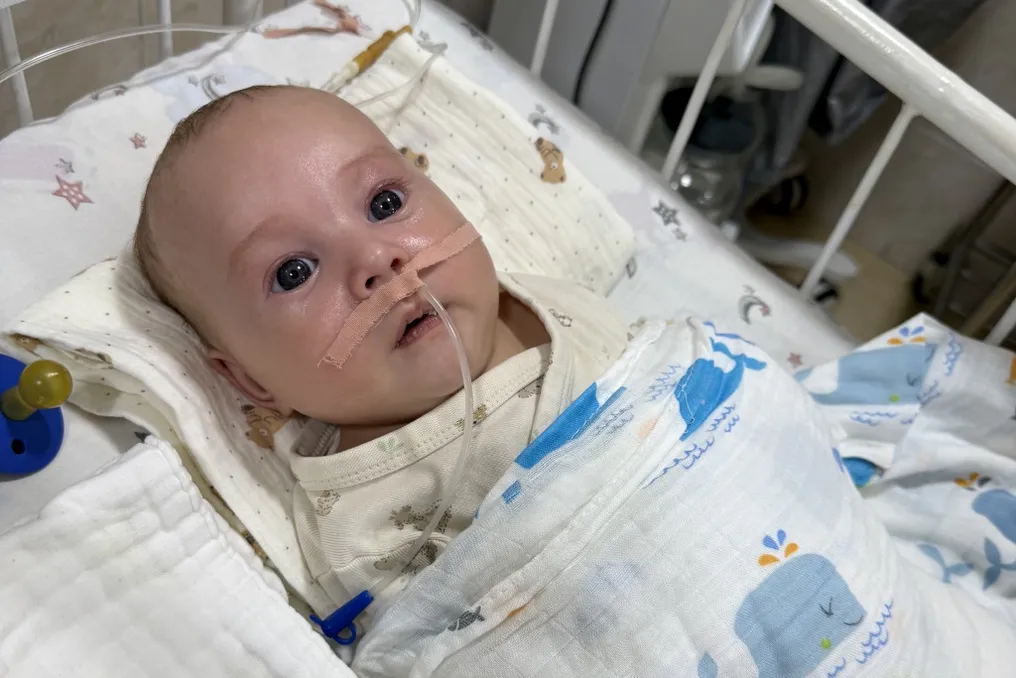
The parents of three-month-old Leon from Tashkent have appealed to the residents of Uzbekistan for help for their son, who has been diagnosed with Type 1 Spinal Muscular Atrophy (SMA). This rare genetic disease causes gradual muscle atrophy.
The only way to stop the progression of the disease may be the use of the drug Zolgensma, which costs about two million dollars. It is critically important to administer this drug before the child reaches six months of age.
The boy's mother, Anastasia, reported that the diagnosis was made late, leading to irreversible damage to his body. Currently, Leon is receiving the drug 'Risdiplam,' which is provided free of charge by the state, but it only slows down the disease and requires lifelong treatment.
Anastasia described the family's difficult situation: 'Every day of ours is a struggle. Instead of walks, first smiles, and peaceful nights, our life has turned into endless home resuscitation. Mechanical ventilation (approx.), mucus removal, tube feeding, constant saturation monitoring, and the fear that at any moment my son's condition could worsen. We dream of only one thing—that Leon can stop living among medical equipment and be just a child.'
According to specialists, Leon has good prospects for receiving gene therapy. For this, the boy needs to undergo a special blood test in Moscow that will confirm the possibility of administering the drug. Doctors also emphasized that the lower the child's weight at the time of starting Zolgensma treatment, the better the body will tolerate the therapy and the lower the risk of serious side effects, so postponement is unacceptable.
The family cannot raise the required sum of two million dollars on their own. The mother expressed hope in the responsiveness of the people, stating: 'No child should die from a disease that modern medicine can already treat.'
To ensure transparency in fundraising, the parents decided that if Leon does not receive Zolgensma for any reason, all collected money will be transferred to another child with SMA. They also promised to regularly publish reports on income and expenses on Leon's Instagram page and on the parents' personal accounts.
Anastasia additionally mentioned that she has compiled all of her son's medical documentation in a Google Doc, the link to which is also available on Leon's Instagram page for review. In conclusion, she called on everyone who can to help, adding that even reposting the story can attract someone who can give Leon a life independent of constant therapy.
The article also provides information on the types of SMA: Type I, diagnosed in infants under six months, is the most critical because children cannot sit, and the risk of respiratory paralysis rapidly increases. Type II appears later, between 6 and 18 months, allowing children to sit, but they do not walk. Milder forms—Type III and Type IV—only cause gradual muscle weakness and have little impact on life expectancy.
A new immunotherapy has been registered in South Africa for the treatment of recurrent or metastatic nasopharyngeal carcinoma (RM-NPC)—a rare and aggressive form of head and neck cancer.
According to data from the Cancer Association of South Africa (CANSA), one in seven men and one in eight women in South Africa may develop cancer during their lifetime. Although awareness campaigns have helped recognize signs of breast, prostate, and lung cancer, hundreds of rare types of cancer remain unnoticed because their symptoms often mimic common ailments.
The registration of the new immunotherapy was announced by Dr Reddy’s Laboratories South Africa. The organization emphasized that this registration is a significant step in expanding access for patients with this rare disease to modern cancer treatments.
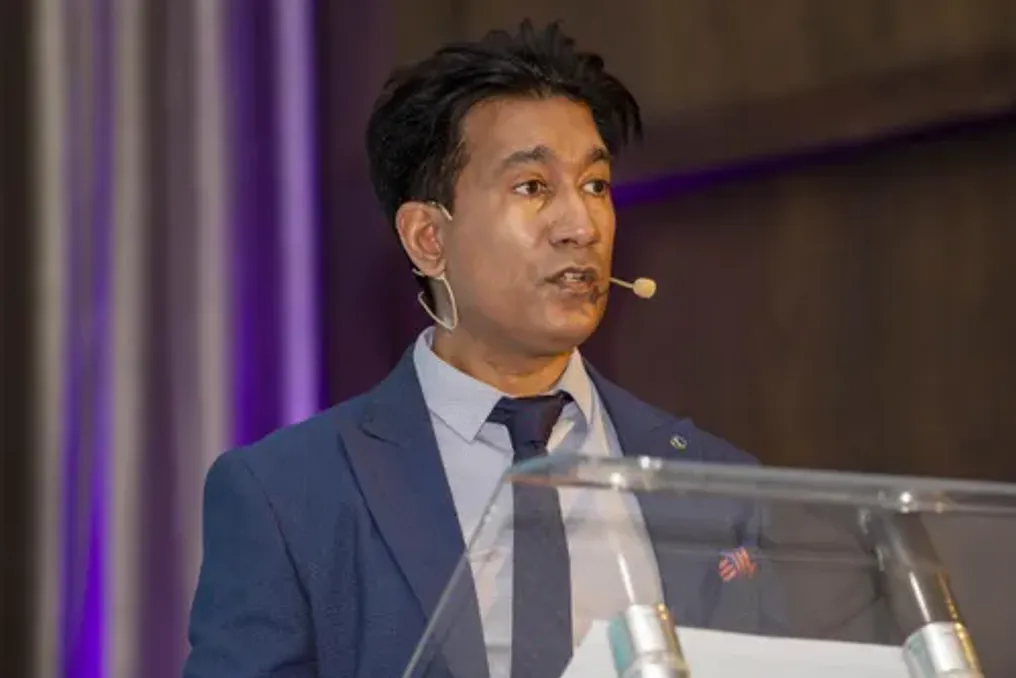
Dr. Rashem Motilial, General Manager of Dr. Reddy’s Laboratories South Africa, explained that unlike traditional chemotherapy, which destroys rapidly dividing cancer cells but can also affect healthy fast-growing cells (such as in the bone marrow, digestive tract, and hair follicles), immunotherapy uses a different approach.
According to Motilial, this is a form of biological therapy that helps the body's own immune system more effectively detect and fight cancer. Instead of directly attacking cancer cells, immunotherapy represents a significant advance in modern oncology and has changed the treatment landscape for several types of cancer, offering new hope to patients with some advanced or hard-to-cure forms of the disease.
The National Cancer Institute in the United States estimates that there are over 500 types of rare cancer, many of which receive little public attention despite having a devastating impact on patients and their families. Nasopharyngeal cancer (NPC) is among the rarest forms of head and neck cancer in South Africa.
According to GLOBOCAN 2024 from the International Agency for Research on Cancer (IARC), the prevalence of this disease in South Africa is only 0.66 cases per 100,000 people over a five-year period. NPC is often diagnosed at a late stage, which creates serious challenges for treatment and long-term disease management.
Despite advances in cancer treatment over the past decade, innovations in treating recurrent or metastatic nasopharyngeal carcinoma have remained limited, indicating an unmet need for new therapeutic methods.
Motilial stated that 'every cancer patient deserves access to innovative treatment options, regardless of how rare their diagnosis is.' He added that 'the registration of this immunotherapy marks a major step forward for patients suffering from recurrent or metastatic nasopharyngeal carcinoma and reflects our commitment to expanding access to advanced oncological care in South Africa.'
Nasopharyngeal cancer develops in the tissues behind the nose and above the back of the throat. Early signs include nasal congestion, hearing loss, frequent ear infections, and swollen lymph nodes in the neck, which can easily be mistaken for more common conditions, often leading to delayed diagnosis until the disease reaches an advanced stage.
Dr Reddy’s Laboratories notes that the registration of this treatment is part of its overall mission to expand access to innovative cancer treatments and improve outcomes for patients facing complex and underserved diseases. The company strongly recommends that anyone experiencing persistent or unexplained symptoms consult a healthcare professional, as early detection remains one of the most crucial factors in improving treatment options and outcomes for nasopharyngeal cancer.