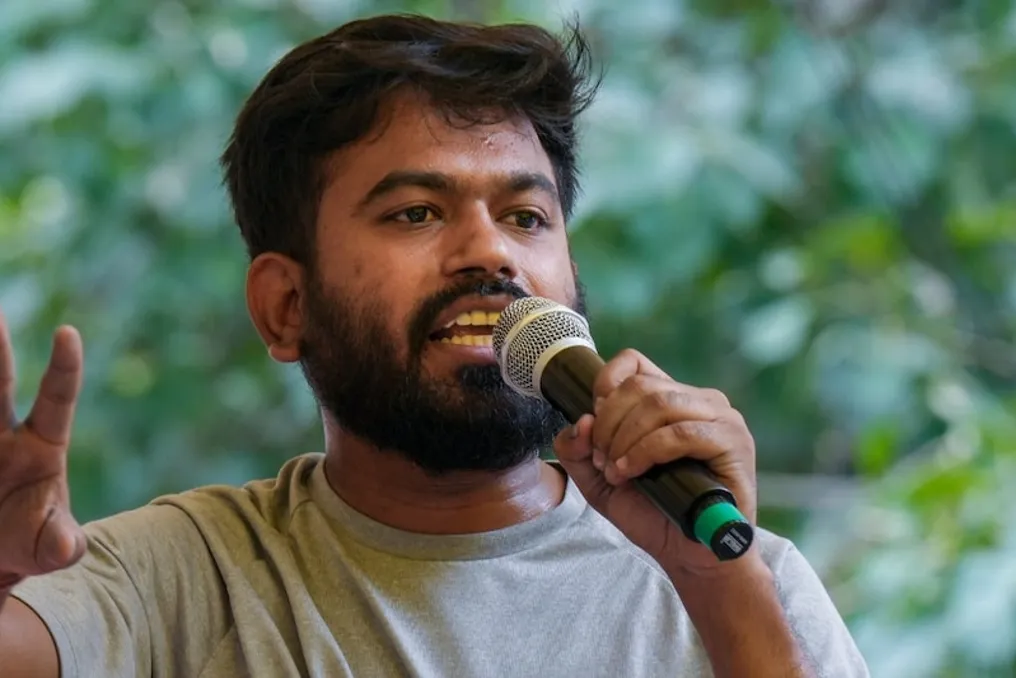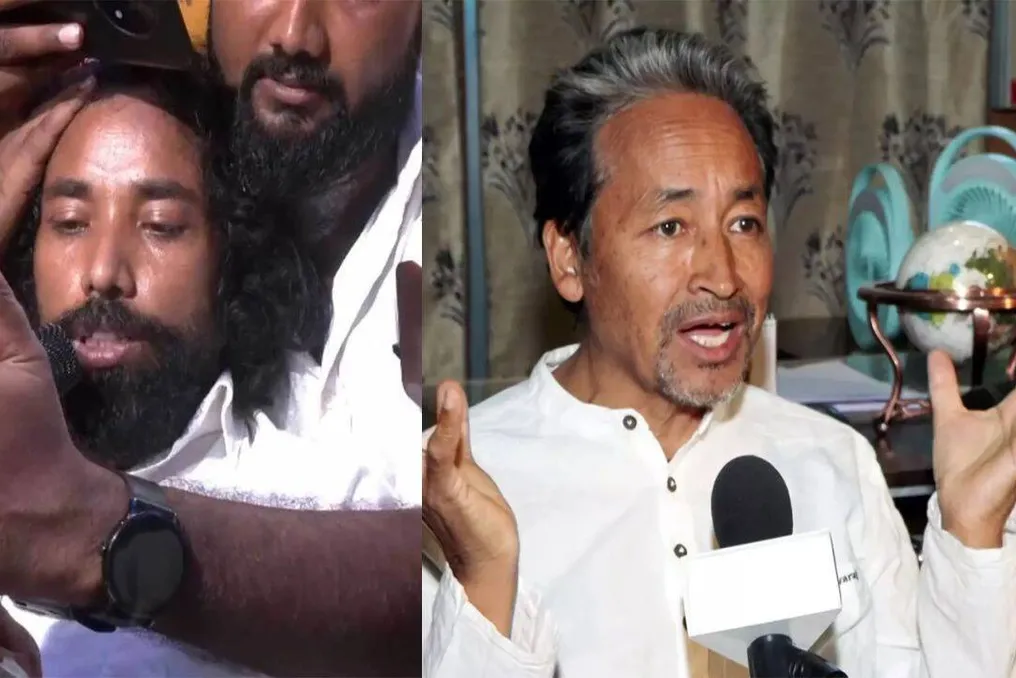
Devendra Nath Mahto, the leader of the student movement who is on an indefinite fast over alleged irregularities in the recruitment exams conducted by the Jharkhand Public Service Commission (JPSC) and the Jharkhand Staff Selection Commission (JSSC), consumed water on Wednesday, the fourth day of his fast. Mahto stated that he took water after climate activist Sonam Wangchuk urged him to do so during a video call.
Nevertheless, Mahto emphasized that the fast and satyagraha will continue until the government responds to the students' demands. He began the indefinite fast on Sunday evening at the Jai Pal Singh Munda stadium in Ranchi, where students are protesting against alleged irregularities in several exams. The action entered its 12th day on Wednesday. Mahto clarified that the broader satyagraha started on July 25, and his personal indefinite fast began on August 2.
According to Mahto, Wangchuk expressed support for the student movement, offered advice and encouragement, and highly praised their peaceful democratic protest. Mahto also invited Wangchuk to visit Ranchi to boost the morale of the protesting students. He noted that Wangchuk assured continued support for the movement.
Wangchuk asked Mahto about his health. Mahto replied: 'We have been in satyagraha since July 25; I started the indefinite fast on August 2. I was extremely exhausted—it was a critical time... Documents have been leaking here for 26 years... Yesterday, the doctor warned me that if I didn't drink water, I would have to be hospitalized...' Then Wangchuk urged him to stop the strike, saying: 'Please drink water; it is tantamount to suicide... You need some time, but it could be 2-3 weeks, and I hope the government understands and makes the right decision.'
Mahto told reporters that Wangchuk's support boosted the protesters' morale. He stated that he had refused food and water for four days, and his condition was quite severe. 'Mr. Sonam Wangchuk, by supporting our movement, raised our morale. He raised it so much that now we will definitely force the government to back down. For the last four days, I have refused both water and food, and my condition has been quite bad. He pleaded, begged, and appealed, saying: 'Drink water and salt, and everything will always be with you, and your movement will surely be successful.' Many others asked me to drink water and salt, but I refused everyone. However, I agreed to accept water from Sonam Sir under one condition,' said Mahto.
Mahto explained that the condition was Wangchuk's continued support for the Jharkhand students until the success of their protest. He added that Wangchuk agreed to maintain contact and participate through video calls. Mahto concluded that he would consume water and salt but not eat until the Jharkhand government listens to the students' demands. 'The condition is that, just as you physically participated in the student protest at Janthar Mantar and made the student movement across India successful during the fast, we expect the same support from you for the justice of all Jharkhand students until this movement succeeds. And we must receive your support. Mr. Sonam Wangchuk accepted this condition, that until the students of Jharkhand receive justice, until this protest is successful, Mr. Sonam Wangchuk will stay with us, always be in touch, and also participate in video calls. And starting today, I will consume water and salt but will not consume food until the Jharkhand government listens to our demands,' he stated.'
Students demand the cancellation of the JPSC exam and a CBI investigation. The protests began after the announcement of the results of the 14th preliminary JPSC civil service exam on July 5, when candidates reported irregularities in the selection process. Since then, students have been holding round-the-clock protests and indefinite sit-ins, demanding transparency and accountability. They are also seeking comprehensive reforms in Jharkhand's recruitment agencies.
Key demands include the cancellation of the 14th preliminary JPSC civil service exam and a CBI investigation into alleged malpractice during the entrance tests, including JPSC and JSSC-CGL exams. They have also demanded the public disclosure of OMR sheets and answer keys from the main exams. A faction of protesters warned that they would hold a Gherao of the Jharkhand Assembly on August 6 if the government does not take concrete steps to meet the demands.
Hemant Soren states commitment to justice by the government. Amid growing protests, the Chief Minister of Jharkhand, Hemant Soren, addressed the media on Tuesday, stating that his government is sensitive to student issues and is ready to ensure justice. He said the matter is being taken seriously, and a decision will be made within constitutional norms after receiving reports from investigative agencies. Soren emphasized that his government intends to resolve the issue once and for all. 'I said this before, the government has eyes and ears; it is sensitive to the issue... we are waiting for the response and conclusion of how the investigative team works day and night... very soon we will inform the students and residents of the state about this. All student needs will be met, and they will get justice,' said the Chief Minister.'
The State Crime Investigation Department, which is investigating the alleged exam irregularities, has conducted raids in several locations across Jharkhand. Officials seized laptops, mobile phones, bank documents, carbon copies of OMR sheets, and other materials considered important for the investigation during the raids. The seized evidence is currently being examined.
The opposition has also intensified its criticism of the state government on this issue. Opposition leader Babulal Marandi and several Bharatiya Janata Party (BJP) leaders have demanded a CBI investigation. They have also called for strict measures against officials found guilty of misconduct and the immediate acceptance of student demands.