Uzbekistan and Pakistan have reached an agreement to expand interaction between their customs services by strengthening the application of digital technologies, artificial intelligence, and modern risk management tools.
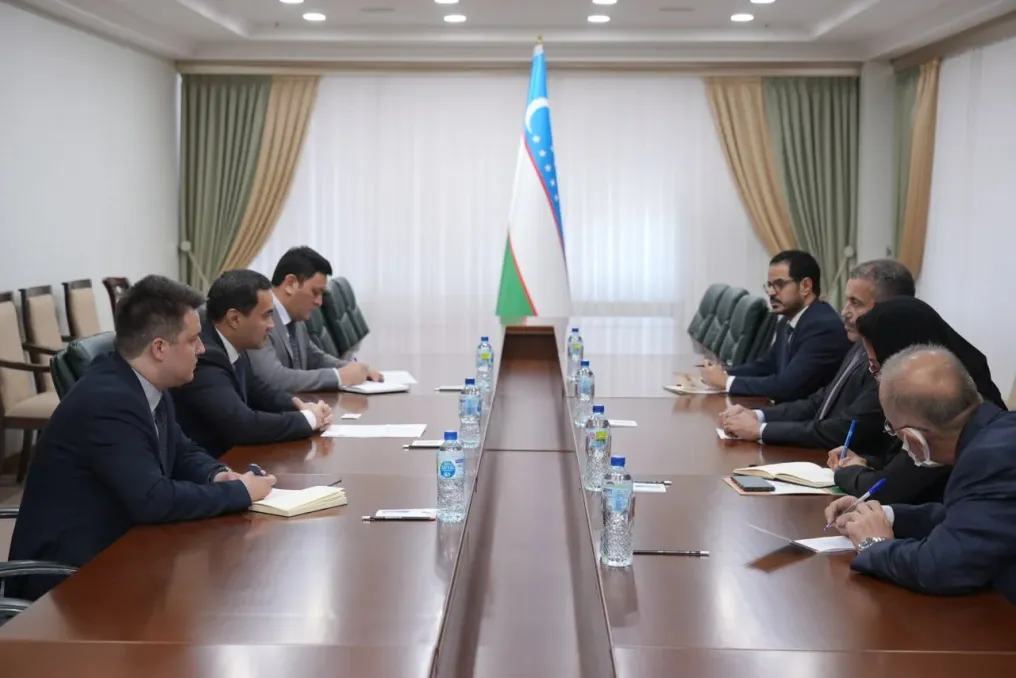
These agreements were concluded during a meeting of representatives from both countries at the international conference on Passenger and Cargo Control Program, held in Tashkent under the joint organization of the United Nations Office on Drugs and Crime and the World Customs Organization.
Discussion on Digitalization and Control
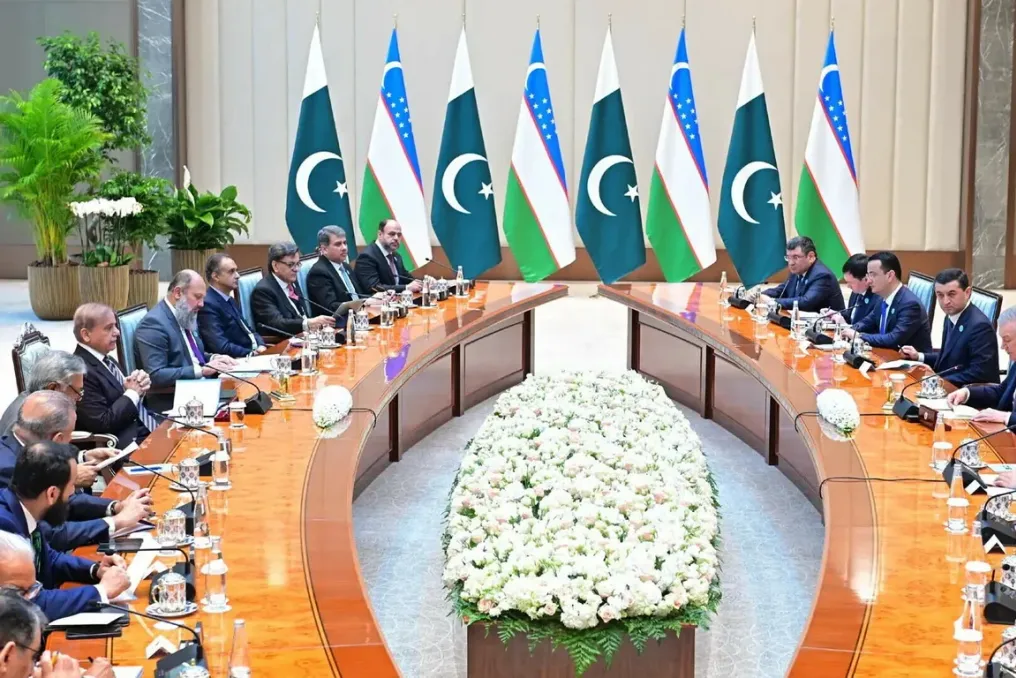
According to the newspaper Dawn, the Pakistani delegation was headed by Syed Shakeel Shah, a member of the Federal Board of Revenue of Pakistan responsible for customs operations. During negotiations with the First Deputy Chairman of the Customs Committee of Uzbekistan, the parties discussed further digitalization of customs administration, improving monitoring of transit goods, and using analytical tools to detect violations.
Participants paid particular attention to the implementation of machine learning and artificial intelligence technologies in risk management systems, the creation of national targeting centers, and the development of real-time customs information exchange to enhance the security of regional trade.
The Pakistani side noted that Uzbekistan is the first country with which Pakistan has organized preliminary data exchange on import and export operations through the Pakistan Single Window platform. The meeting participants considered this mechanism an important milestone in the development of digital interaction between the customs services of the two states.
The parties also agreed to extend electronic data exchange to the transportation of transit goods. This is expected to accelerate customs clearance, increase the efficiency of border control, and ensure safer and unimpeded movement of goods.
Furthermore, representatives of both countries confirmed their intention to develop cooperation in the areas of mutual recognition of Authorized Economic Operator programs, recognition of regulatory documents, broader use of artificial intelligence and data analysis in customs control, as well as strengthening interaction between government agencies and business.
Following the negotiations, it was decided to create technical working groups to develop agreements on priority areas of cooperation. According to Dawn, the implementation of these measures should promote further digital integration, advance regional trade, and increase the efficiency of transit transport.