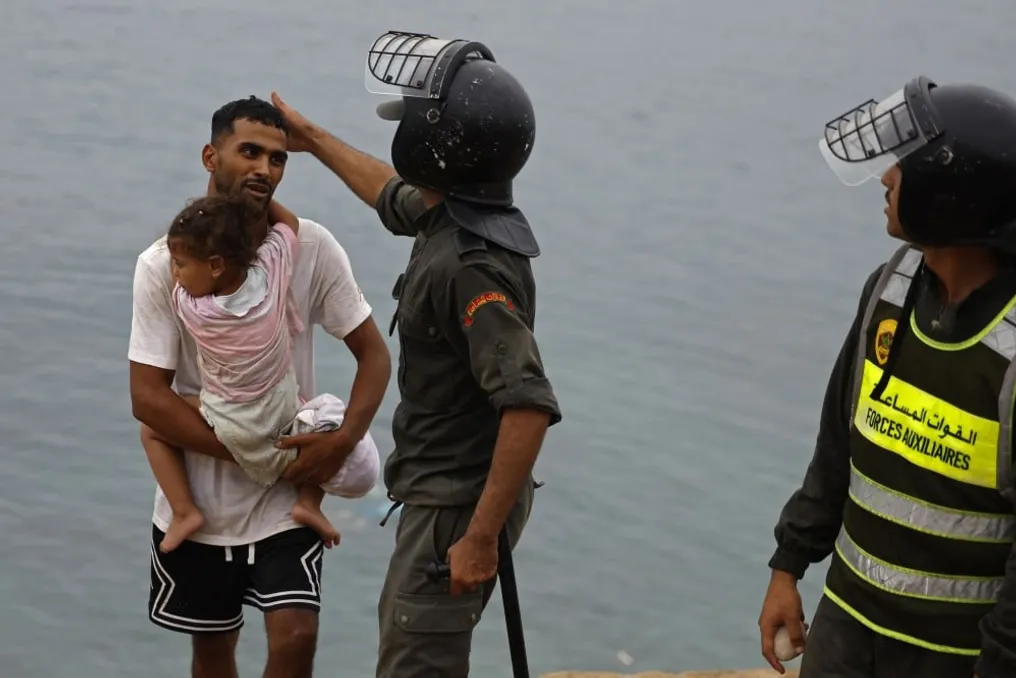
Approximately a week after the large-scale migration crisis in the Spanish enclave of Ceuta, about a thousand minor migrants remained in the city without guardianship and without clear prospects for entry into mainland Europe. These children are either in overcrowded temporary reception centers or forced to spend nights on the streets, while Spanish authorities work to determine their future.
According to data from the Spanish Ministry of the Interior, around 72,000 people crossed the Ceuta border between July 30 and 31. Although approximately 70,000 migrants have already been returned to Morocco, some individuals, including minors unaccompanied by adults, remain within the Spanish enclave. Since Spanish law does not allow for the immediate deportation of such minors, they are under state protection.
This migration crisis has resulted in significant human losses. At least 75 people died on the Spanish side of the border, most of whom drowned while attempting to reach Ceuta. Additionally, Morocco reported the deaths of another 11 people.
Humanitarian Consequences of the Crisis
The personal stories of the affected children vividly illustrate the humanitarian problems arising from the crisis. One girl, who is 17 years old, shared with the Associated Press that during the crossing she lost her eight-year-old brother, who drowned, and found herself in Ceuta without her mother. According to her, many minors are now forced to beg on the streets of the city.
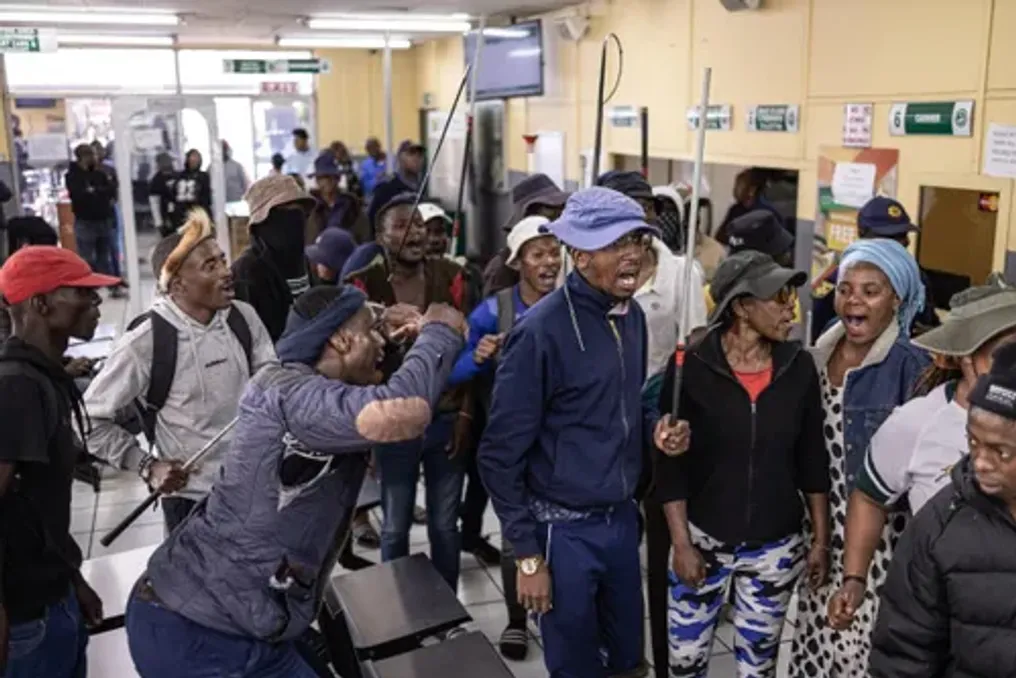
Adult migrants from Sudan, Palestine, Afghanistan, and other countries also remain in the Spanish enclave. These people often complain about a lack of food, places to sleep, and uncertainty about their future. The temporary reception center, designed for approximately 600 people, is completely full, forcing some people to live on the beaches and in the hilly areas around the city.
Political Tension and International Reaction
Parallel to the humanitarian situation around Ceuta, the political conflict has intensified. European Union countries have expressed their support for Spain, noting the promptness of Madrid's actions. Nevertheless, some European states have called for stricter control at external borders. In response to the situation, Italy temporarily introduced additional checks for all passengers arriving from Spain.
The events in Ceuta have once again sparked a dispute between Spain and Morocco regarding the status of Ceuta and Melilla. In Madrid, any territorial claims from Rabat are categorically rejected, insisting that sovereignty over these enclaves is non-negotiable. Meanwhile, Spanish experts and politicians are increasingly warning that the mass influx of migrants could be used as a tool for political pressure.
The Spanish government has allocated 25 million euros to assist minors remaining in Ceuta. Furthermore, a special point has been opened at the border to register missing persons reports, as many families in Morocco are still searching for children who disappeared during the mass movement.
It should be noted that Moroccan authorities link this crisis to the spread of false information on social media and an incorrect interpretation of a Spanish court ruling. Conversely, the Spanish side asserts that Moroccan border patrols abandoned their posts shortly before the incident.