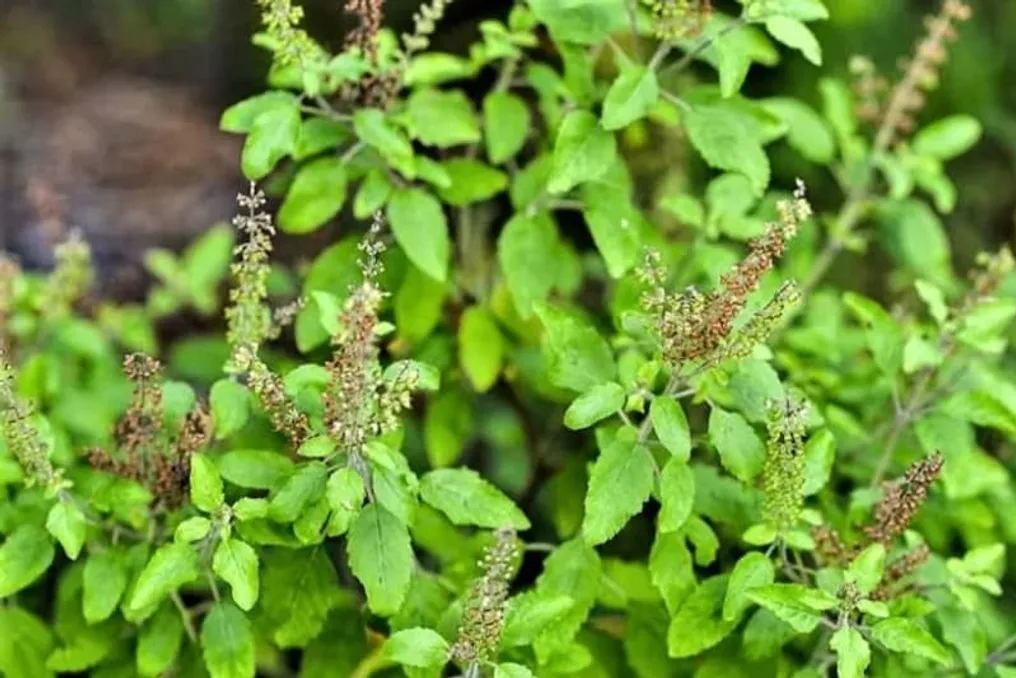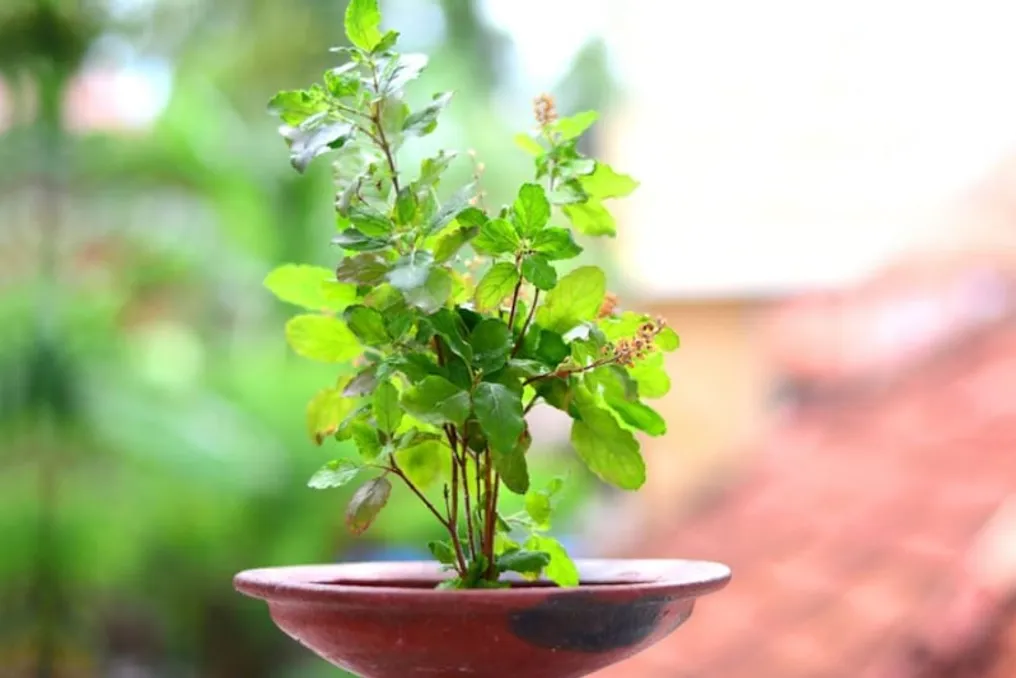
There is a religious belief that in a home where worship is regularly performed and lamps are lit for Tulsi, there will never be a shortage of wealth and food. However, Vastu Shastra pays great attention to the direction and location where the pot with the Tulsi plant is placed. Placement in the wrong spot can lead to negative consequences instead of the expected benefits.
Most favorable places to place Tulsi
In Vastu Shastra, the northeast direction, known as Ishan Kon, is considered the abode of deities. This is why this direction is recognized as the best for planting Tulsi. Placing the plant here helps eliminate negative energy from the house and spread positivity, which contributes to resolving disagreements among family members.
The north direction is associated with the god of wealth, Kubera. If a person strives for career success or faces obstacles in business, placing Tulsi in the north can be very beneficial, helping to overcome financial difficulties and strengthen the economic situation.
If the house layout does not allow for an open space in the north or northeast, the east direction can be considered. According to Vastu, having Tulsi in the east promotes the health of family members and maintains mutual love and harmony.
In modern apartments or small dwellings where adhering to the specified directions is impossible, the plant can be placed in an inner courtyard or on a balcony. In this case, it is crucial to ensure the plant has a sufficient amount of fresh air and sunlight. The healthier and lusher the plant looks, the more prosperity and peace it will bring to the home.
Placing Tulsi near the main entrance is considered very auspicious if the entrance opens towards the north or east. Having the plant at the entrance prevents negative energy or the evil eye from entering the house, ensuring its protection.
Important rules related to Tulsi
Attention must be paid to the direction: Tulsi must absolutely not be placed in the south or southwest (Nairitya Kon), as these directions are associated with Yama and ancestors, which can lead to serious losses. It is also necessary to keep the area around the pot clean, excluding the placement of trash cans or shoes there.
If for any reason the Tulsi plant wilts, it should be immediately removed and released into a sacred river. A new, healthy specimen should be planted in its place, as keeping a dry plant is considered an inauspicious sign.