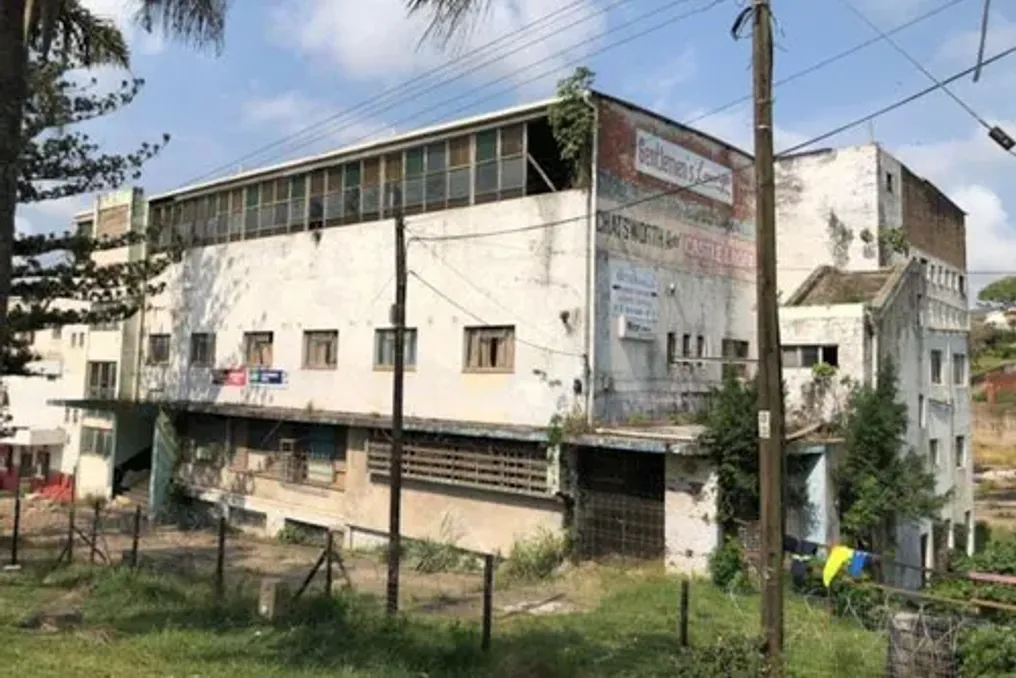
Chatsworth Hotel, once a symbol of luxury, is now in a state of decline. The author recalls the atmosphere of this hotel in the mid-1960s when he visited it as a child to buy a newspaper, as home delivery was unavailable in Umlatuzana.
In those days, especially on Fridays, a news vendor accompanied by two girls at the bar entrance created a picture of daily life. These girls offered snacks—roasted peanuts and boiled beans—and collected coins from drunken patrons, displaying fragile innocence amidst the hustle and smells of the bar.
Memories of the once majestic hotel returned to the author when he saw an advertisement for the property being sold for a substantial sum of 26.5 million rands. However, experienced appraisers consider this price highly inflated, believing that even one-third of it would be excessive given the current condition of the building.
The context of the area's development is linked to the fact that the author's father moved to neighboring Umlatuzana in 1962 after the expropriation of his banana plantation in the Cavendish area, now known as Bayview. Umlatuzana was the first planned settlement for Indians in South Africa, developed by surveyor T.S. Shelin.
When rumors surfaced about the construction of a hotel near his home, the author's father, a staunch abstainer, felt uneasy, as he sought peace in the new settlement that could be disturbed by noisy revelries. He believed that dancing should be sacred forms, such as Bharatanatyam, Kolattam, and Kummi.
The 1960s were characterized by expansion and population movement. Chatsworth itself transformed into a vast Indian township due to forced relocations carried out under apartheid. Families evicted from places like Cato Manor, Bellair, Siviy, Riverside, Rossburgh, Clairwood, and banana plantations in Cavendish were dispersed into rows of municipal housing lacking proper infrastructure.
In the 1940s and 1950s, Munsemi Jivarautnam 'MJ' Naidu worked as a porter and loader at the historic Langham Hotel in Durban. His mother sold snacks, such as vada and murukku, from Puntans Hill, a small Andhra enclave, directly at the hotel.
Munsemi Naidu managed to rise from a porter to the owner of the hotel. Together with his brother Stanivasan, he opened a modest tea room on East Street, Overport. Profits were carefully accumulated, forming the basis for his ambitions.
By 1961, the brothers were able to acquire land for a hotel in developing Umlatuzana. Munsemi Naidu's father-in-law, SP Chetty, was a builder, and together with his sons, he built the first hotel in Chatsworth. The Chetty family already had experience in constructing landmark buildings, including the Sri Vaiyatanatha Yeswarar Alaiyam temple and the Naaz cinema.
Chatsworth Hotel opened in early 1963. This hotel was a statement of ambition: it included a spacious reception area, 12 stylishly furnished rooms, a public bar, three service bars, a dining hall, and the Lyric ballroom, capable of accommodating 400 guests. It became a symbol of Indian craftsmanship and the two brothers' pursuit of perfection against the backdrop of forced migration.
On Fridays and Saturdays, the surroundings shone with anticipation. The Lyric ballroom became a center of attraction, drawing hundreds of visitors, predominantly Indians, to forget the harsh conditions imposed by Group Areas and Separate Development Acts. Entry with breakfast cost only 3 rands.
From 8:00 PM until late at night, the air was filled with music from groups such as Crescendos, Dukes Combo, Hot Shots, and others. Their music made people dance, and the sounds reached even the author's father, who was studying textbooks. To him, cheerful melodies, such as The Beatles, were an unwelcome intrusion into his studies.
The hotel's dining hall offered a diverse menu, combining Western dishes with Indian classics, with samosas and fish cutlets being particularly popular. Fish curry with tamarind was a constant star, and offal dishes attracted regular customers.
On Sundays, restrictions were placed on alcohol sales to non-white people, but 'Sunday sessions' took place in the dining hall. Buyers could drink if they purchased food for 10 cents, which was a way for the community to gather and spend time together despite the minor rules of apartheid.
The hotel basement received a new lease on life thanks to the rental space by gambler Dhanpal Naidu to work with a totalisator agency. By 1970, the roof was converted into a glass pavilion, which became a popular venue for weddings and social events, as well as a site for sporting competitions.
The bar had regular patrons, including the author's uncle, Harry Naidu, who came daily. For him, it was a ritual of socializing and relaxation, and bartenders like Scampi Naidu and Chin Naidu knew all the regulars and served them with care.
As the hotel prospered, other brothers of Munsemi and Stanivasan Naidu—Harihara (Harry) and Devaraj (Tumba)—also entered the hotel business. They founded the company Forbros, which expanded its portfolio to include numerous establishments, including clubs and cinemas. This empire was built on resilience and vision.
However, the fame of Chatsworth Hotel began to fade when the hotel doors started opening to all races. Visitors came less often, and young people sought trendier spots in the city. The music industry also transformed: dance groups faced losses, and the advent of digital audio changed the landscape.