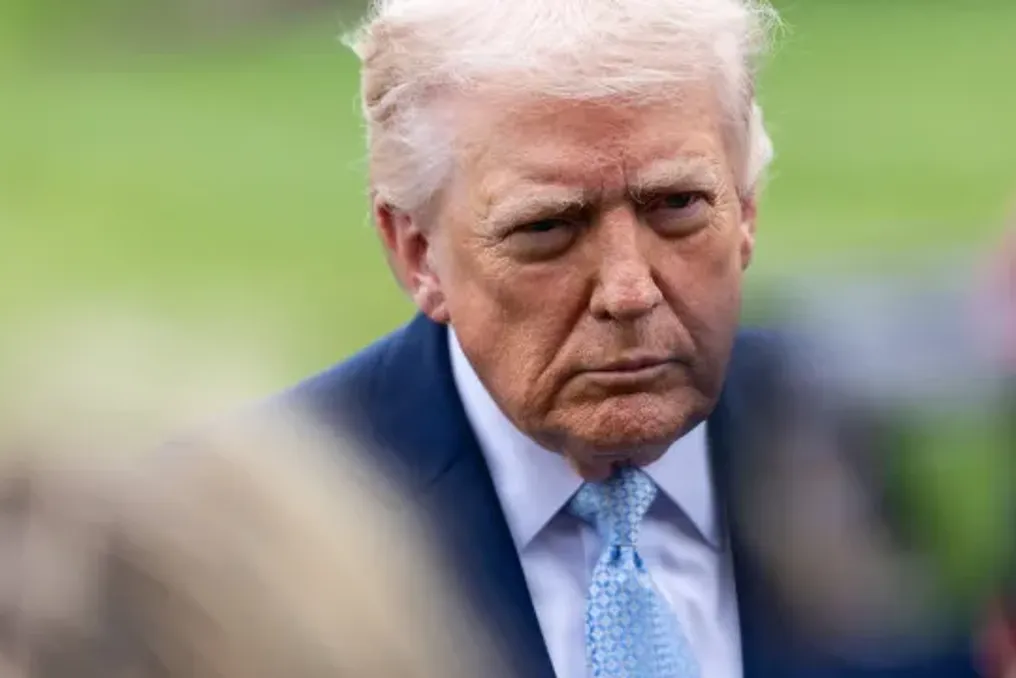
The Strait of Hormuz is expected to reopen in the near future, according to Donald Trump, who mentioned that 'very good discussions' were taking place during a visit to California. When questioned later while heading to his Air Force One plane bound for Las Vegas, Trump predicted that this reopening could happen 'tomorrow [today] or the day after'.
Marco Rubio, US Secretary of State, had reported on Tuesday progress in negotiations involving Iran and Oman, whose coastlines border the strait. According to Axios, citing unnamed regional sources, a provisional 60-day agreement is being debated to manage passage through the strait between Iran and the Sultanate of Oman.
This preliminary agreement stipulates that all maritime traffic passing through the strait must use a northern route in Iranian waters, and any departing vessel must follow a meridional trajectory in waters under Omani control, all without the collection of tolls or passage fees. During these 60 days, the central channel would be cleared of mines.
On Tuesday, Donald Trump and Sheikh Tamim bin Hamad Al Thani, Emir of Qatar, spoke by phone about efforts to reduce tensions between Washington and Tehran and bring the two parties closer, according to a statement from the Qatari palace.
As a result of the resumption of diplomatic dialogues, oil prices fell on Wall Street and also in Asian markets on Wednesday morning. The international benchmark Brent barrel plummeted to $78.47 (71.40 euros), and the WTI barrel dropped to $74.73 (68 euros).
The protocol of the agreement signed in June had initiated a 60-day process aimed at definitively ending the Middle East war and resolving various issues, including the Iranian nuclear issue. This agreement also allowed traffic to resume in the Strait of Hormuz, a vital route for global hydrocarbon trade, which had been blocked by Iran since the beginning of the conflict, leading the United States to impose a blockade on Iranian ports.
However, these improvements were brief, as hostilities resumed at the beginning of July, breaking the protocol. Iran intensified its control again after the resumption of American attacks, and ships daring to pass through the strait without Tehran's permission face frequent consequences.
Iran had denied on Monday any talks with Washington, claiming it was only negotiating with Oman. The country does not wish to return to the pre-war situation and currently only authorizes a route along its coasts. Furthermore, Iran discusses the collection of service fees, which is rejected by the United States and other countries, as it contradicts international maritime law.
Donald Trump, who oscillates between promises of mass destruction and optimistic statements about overcoming the crisis since the beginning of the conflict, had previously threatened to 'attack forcefully' the Islamic Republic days before suspending such plans.
Another area of conflict manifested in the Red Sea, involving the Houthi rebels of Yemen, allies of Iran, and Saudi Arabia. These rebels announced a maritime blockade of Saudi ports on July 20 and attacked several vessels. In response, the military coalition led by Riyadh launched attacks against Houthi military installations.
An Indian ship was sunk on Tuesday after being attacked by the Houthis, according to a Yemeni official to the France-Presse agency. Indian authorities confirmed that the 14 crew members were rescued.