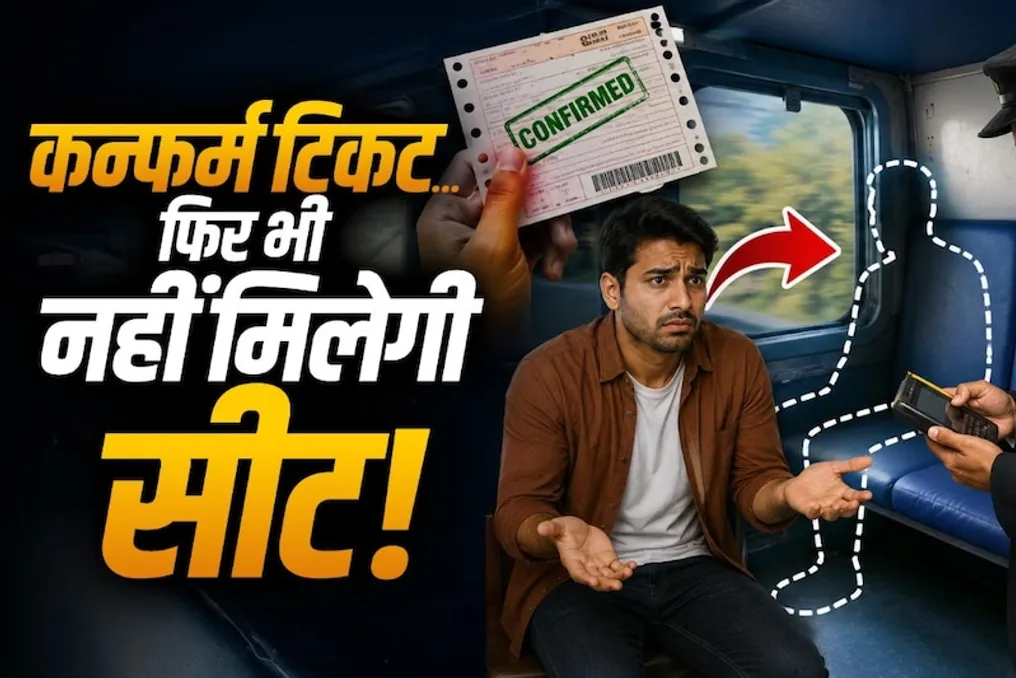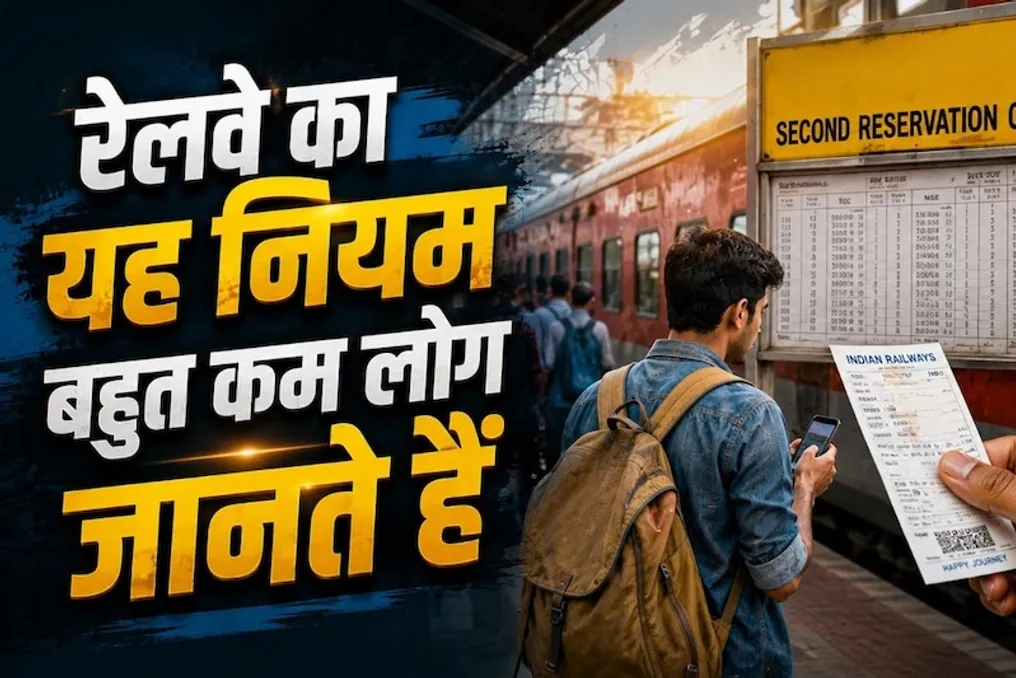
If there is a sudden need to travel somewhere urgently and only minutes remain before the train departs, there is no need to worry. Indian Railways has introduced a special rule for passenger convenience, allowing tickets to be booked or canceled shortly before the train's departure. This option was particularly useful for those whose plans change at the last minute or who have to make spontaneous trips.
Previously, the process of forming the reservation schedule occurred significantly earlier than the train's departure, and online ticket booking was impossible after this schedule was created. However, the railway later introduced a second reservation schedule system. According to this system, the first schedule was compiled approximately four hours before departure, while the second schedule was prepared 30 minutes or even 5 minutes before the train moved. Passengers could book or cancel tickets until this second schedule was ready.
For example, if a passenger canceled their ticket, those seats remained empty before this system was introduced. Now, thanks to the second schedule, that seat could be occupied by another needy passenger. Those who needed urgent travel benefited the most. If a seat is canceled at the last moment, it could be offered to another passenger before the second schedule appears.
Passengers had two ways to purchase tickets: through the IRCTC website or mobile application, as well as through the PRS (Passenger Reservation System) counters of the railway. If a seat became available before the second schedule was formed, the ticket could be immediately confirmed. Furthermore, if travel plans changed, there was an option to cancel the ticket before the second schedule was created. This allowed the seat to be freed up for another passenger and reduced the number of vacant seats on the train.
The possibility of receiving a confirmed ticket depended entirely on seat availability. A ticket could only be obtained if another passenger canceled their ticket or if there were vacant seats. If all seats were booked in advance, it was impossible to purchase a ticket.
The goal of this rule was to minimize the number of empty seats on trains and provide the opportunity for the maximum number of people to travel. Previously, it often happened that people canceled tickets at the very last moment, but because the schedule was already formed, these seats could not be used by others. The second schedule system helped solve this problem to a great extent.
If you suddenly need to travel, it is recommended to check for seat availability on the IRCTC website or app before the train departs. Sometimes a seat becomes available due to another passenger canceling their ticket, and you can get a confirmed ticket. Nevertheless, it should be noted that the railway periodically makes changes to the rules for booking and canceling tickets. Therefore, before traveling, you must familiarize yourself with the latest IRCTC or Indian Railways rules. In recent years, some rules regarding refunds and ticket cancellations have also been changed. Overall, this last-minute booking and cancellation system has proven very useful for passengers, facilitating spontaneous travel and ensuring more efficient use of the railway's vacant seats.