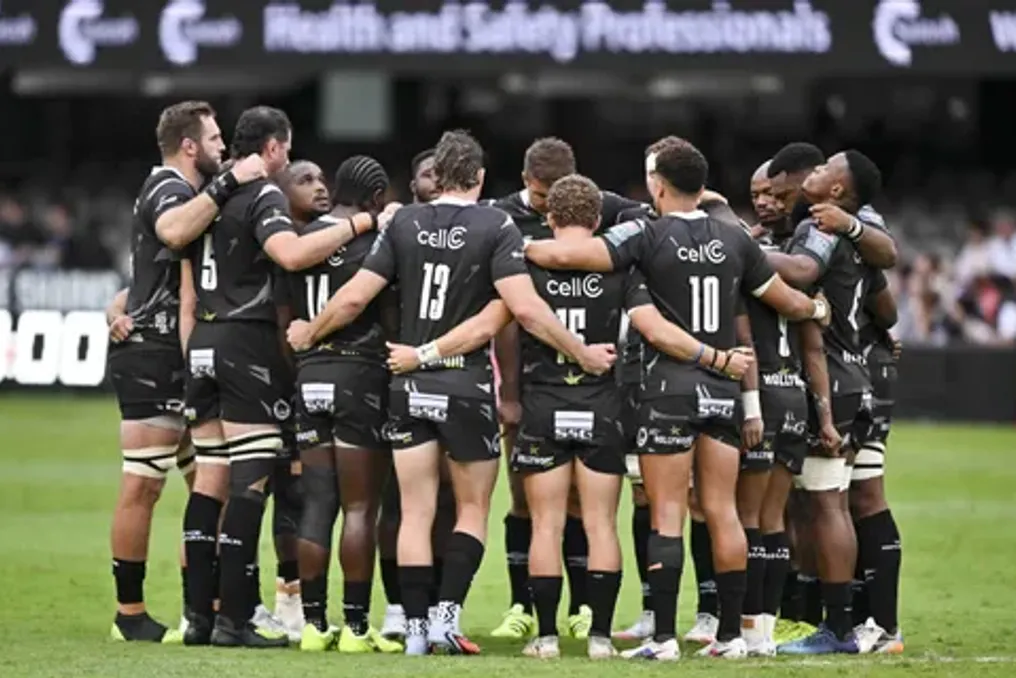
The Sharks team has launched a massive rebranding campaign under the leadership of Marco Massotti. This process is the most significant in the club's thirty-year professional history, as it represents a new identity that the club believes will ensure long-term success both in sports and in the commercial sphere.
The update, launched on Wednesday, includes a new club crest, a revised retail strategy, an expanded apparel range, and an increased focus on developing the Sharks brand within an increasingly competitive global sports landscape.
Club CEO Shaun Bryan emphasized that despite the change in the Sharks' appearance, the values defining the Black and Whites remain unchanged. He stated: 'Our crest has evolved. Our core will never change.' Bryan added that innovation has always been part of their essence, and in 1996, the club dared to become the Sharks, helping to shape the modern era of South African rugby.
Sharks asserts that the rebranding goes far beyond simply introducing a new logo; it is part of a broader strategy aimed at strengthening the club's commercial position, increasing the fan base, and creating sustainable revenue streams that can be reinvested into rugby.
DOMESTIC RUGBY
Growth Director Michael Leslie noted that the realities of professional sport have changed drastically over the last three decades. According to him, today success depends not only on match victories but also on how strong a brand the club is. He stressed that every new inspired fan, every significant partnership, and every new source of income increases the club's ability to invest in what is most important—players, development pathways, infrastructure facilities, and the future of rugby in KwaZulu-Natal.
The club acknowledged that changing one of the most recognizable identities in South African rugby may cause debate among fans, many of whom are tied to the iconic image of the Sharks from decades of memories. Nevertheless, the Sharks management considers it their duty not only to preserve the rich history of the club but also to guarantee its relevance and competitiveness for future generations.
The club's leadership drew parallels with the fateful decision made by the then Natal Rugby Union in 1996, when Brian van Zyl and his administration renamed Natal Rugby to Sharks, creating one of the country's most recognizable sports brands.
Bryan explained that the latest development was carefully thought out and aimed at securing the club's future. He stated that this is not a change for change's sake, but a conscious declaration of ambition. The management has taken a long-term perspective on what the club should be—on the field, commercially, and culturally—and believes it is responsible for making decisions that will lead to this goal. He also noted that under the guidance of coaching structures led by J.P. Petersen, a person who understands the significance of this crest, there is a unified vision for the future within the organization.
The rebranding also marked the return of Reebok as the club's technical partner. Together, they have developed an expanded range of sportswear and casual wear, which Sharks believes will attract fans not only on match days. The initiative also includes the launch of a new e-commerce platform, a revamped Shark Cage store, an expanded product range, and the release of new kits for the Currie Cup and United Rugby Championship in the coming weeks.
Leslie reported that the project had been developed over several years. He expressed pride in being able to share it with the fans, noting that the players' reaction was exceptionally positive, and he believes the fans will be equally thrilled. The club's ambition is to create not only exceptional apparel but also an experience that reflects the scale of this club and the pride of those who wear Black and White.
Sharks announced that further launch elements, including a new club website and additional fan engagement initiatives, will be presented in the coming weeks as the Durban franchise enters a new era.