The Volta a Portugal cycling race will begin this Wednesday.
The Volta a Portugal cycling race will begin this Wednesday.
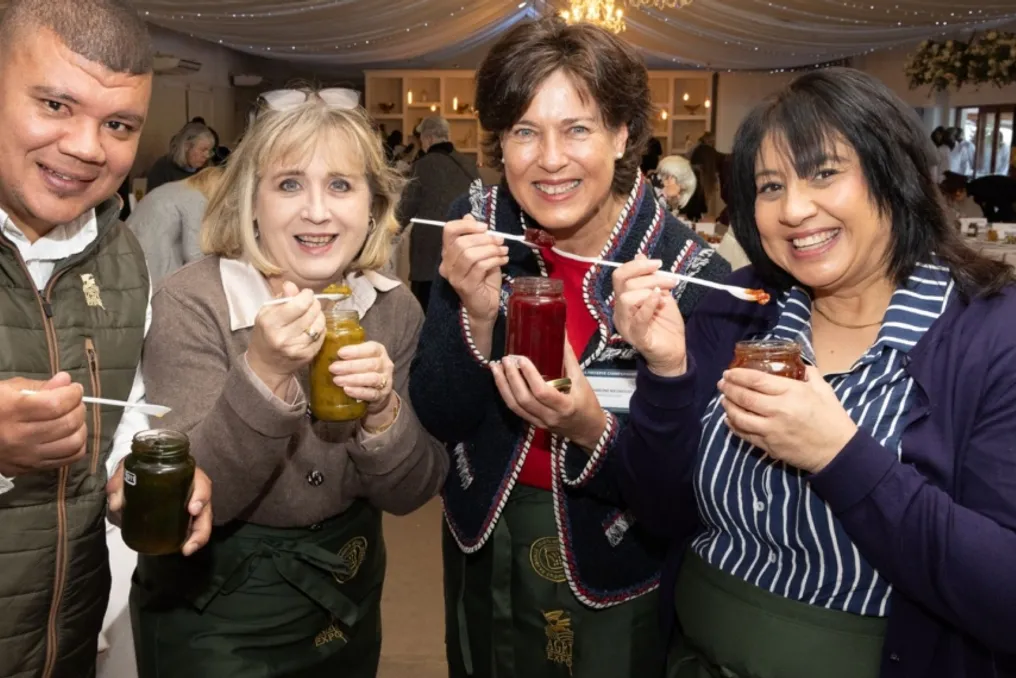
The second South African Canning Championship, organized by Agri-Expo, attracted a record number of participants—700 entries from 85 producers. Judging recently took place in Eensgezinde, near Durbanville, in the Western Cape, setting a new standard for this competition.
A panel of 61 judges evaluated entries across more than 100 categories. Products presented included jams, marmalades, chutneys, marinades, as well as pesto, olives, and many other original preserves.
Braiton Milford, General Manager of Agri-Expo, noted that the record number of entries indicates growing confidence among producers in this championship. He emphasized a significant increase compared to last year's 456 entries.
Milford added that the development of the competition confirms that it serves as a valuable platform for both experienced and novice producers, allowing them to compare their products against the highest industry standards. Furthermore, the competition helps strengthen consumer trust in South African preserves.
Agri-Expo, which celebrates its 195th anniversary as an agricultural society this year, launched the championship in 2025 with the aim of recognizing exceptional quality, supporting entrepreneurs, and promoting the art of food preservation.
According to Agri-Expo President Chris Fury, the success of the championship is due not only to the record number of entries but also to the quality and fairness of the judging process. He stated that the judges' experience ensures the credibility of the championship, as every product is assessed fairly, impartially, and consistently by five judges.
All entries were evaluated anonymously by a diverse group of experts representing the food industry, hospitality, retail, and agriculture sectors. The judging panel was impressed by the high quality of both traditional, authentic preserves and innovative products with unexpected flavor combinations reflecting modern dietary trends.
Chief Judge Susina Joste, a renowned nutrition expert and trainer, noted that what struck him most was how traditional products competed at the same high level as new creations. He mentioned seeing products reminiscent of grandmother's cooking alongside bold novelties such as green cashew-stuffed olives, dried salted olives, spekboom chutney, and honey-glazed jalapeños.
In Joste's opinion, this year's results confirm that there is market demand for both familiar past flavors and bolder taste combinations. Fury believes that preserves are more than just a product on a supermarket shelf; they tell the story of the people behind them.
He explained that for some, making preserves started as a necessity for income, while for others it became an opportunity to add value to fresh produce or turn a hobby into a successful business. Fury stressed that over generations, diverse South African communities have contributed to recipes, tastes, and traditions, and today they celebrate this rich culinary heritage, as well as the producers and makers who continue to innovate and strive for perfection.
Fury also expressed gratitude to the partners who made the championship possible: ClemenGold, Ardagh Glass Packaging–Africa, Hollard, Ecowize, and SA Olive. The winners of the 2026 South African Canning Championship will be announced in Eensgezinde on August 27, after which full results will be available on the website www.sapreservechamps.co.za.
Amidst the chants of 'Har Har Mahadev' during the Kawad pilgrimage, one can observe both traditional processions featuring magnificent depictions of Mahadeva and elements of fitness. However, one Kawad procession passing through the streets of Bagpat offered not only a message of faith but also a message about fitness.
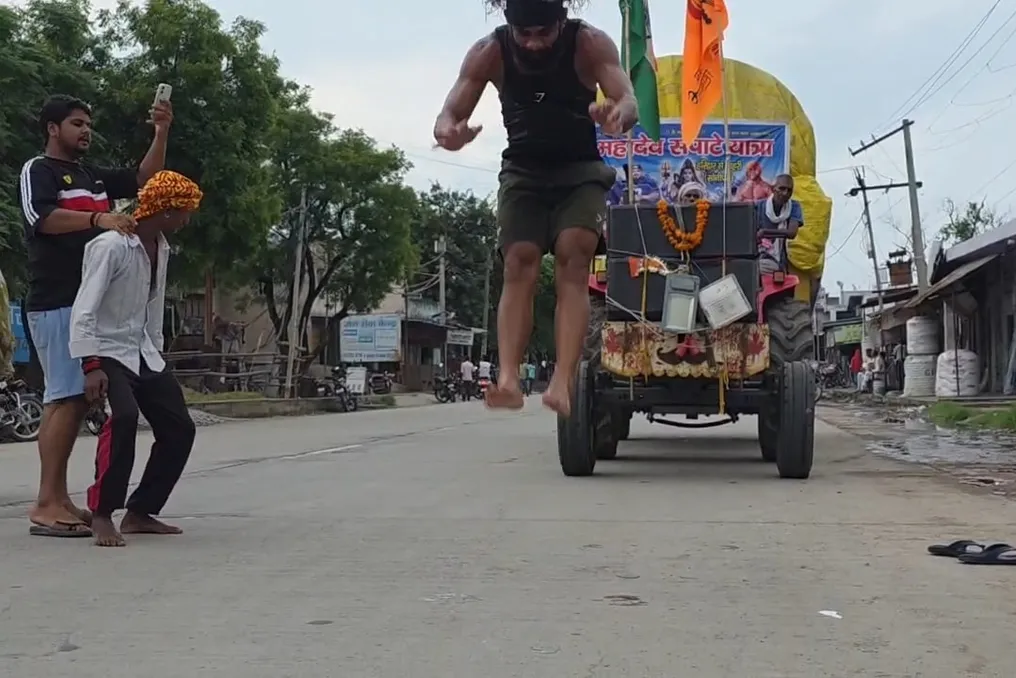
This young man is characterized by long hair, an energetic appearance, and impressive vitality. During stops along the way, he begins performing exercises known as 'sapate' (jumps/exercises). He performs not just one, but a total of 3500 such exercises.
This unique demonstration attracts significant attention from people during the Kawad pilgrimage, which spans over 200 kilometers from Haridwar to Nahari in Haryana. Mandjit, a resident of Nahari, Haryana, stands out among other participants due to his unconventional approach to the pilgrimage.
Although Mandjit does not carry the Kawad on his shoulders, the most special part of his journey is his fitness approach. He stops at his rest stop, rests for a while, and then begins performing exercises. Soon the count reaches hundreds, and then thousands. After completing about 3500 exercises, Mandjit proceeds to the next stop.
His journey started in Haridwar and will continue to Nahari in Haryana, covering a distance of over 200 kilometers. He starts his fitness sessions exactly where his rest stop is, before moving further.
Mandjit explains that he is undertaking this pilgrimage not for any specific request. For him, it is a kind of promise. He believes it is necessary in the current era to steer youth away from drugs and other vices. He progresses within the framework of the Kawad pilgrimage, carrying this message. Mandjit emphasizes that instead of indulging in drugs, the youth should focus on their health and physical condition, as a healthy body and a healthy life are the foundation of a better future.
His goal is to inspire other young people who see his journey and encourage them to prioritize health. When Mandjit starts exercising on the roadside or at his rest stop, other pilgrims passing by, as well as local residents, stop. Soon a crowd gathers around him. Some people watch his exercises, while others record videos on their mobile phones. This unique approach by Mandjit in the Kawad pilgrimage generates particular interest among the youth. His journey, combining devotion to God and a message about fitness, demonstrates that faith and health can go hand in hand.
Hosting guests should bring pleasure, not become another task on an overloaded to-do list. However, for many women, inviting friends or family can quickly turn into a large-scale event requiring a flawless home, impressive food, and perfect attention to every detail, which often leads to the host becoming exhausted by the time guests arrive.
The good news is that relaxed hosting does not require a perfect living space or a complicated menu. A little planning, using some simplifications, and being willing to let go of perfectionism can make the time much more enjoyable for both you and your guests.
Your guests are coming to spend time with you, not to inspect your house. It is enough to clean the rooms they will actually use, tidy up the bathroom, and provide comfortable seating; there is no need to do a deep clean of the entire house before every gathering.
The same goes for food. Choose dishes you are confident you can prepare without spending the whole day in the kitchen. There is nothing wrong with buying some ready-made products or asking guests to bring something along.
One of the simplest ways to reduce hosting stress is to complete tasks ahead of time. Set the table, prepare salads and desserts, chill drinks, and prepare serving dishes the night before. On the day itself, you will only have a small number of things to do, which will give you time to get dressed, eat, and truly enjoy the event before guests arrive.
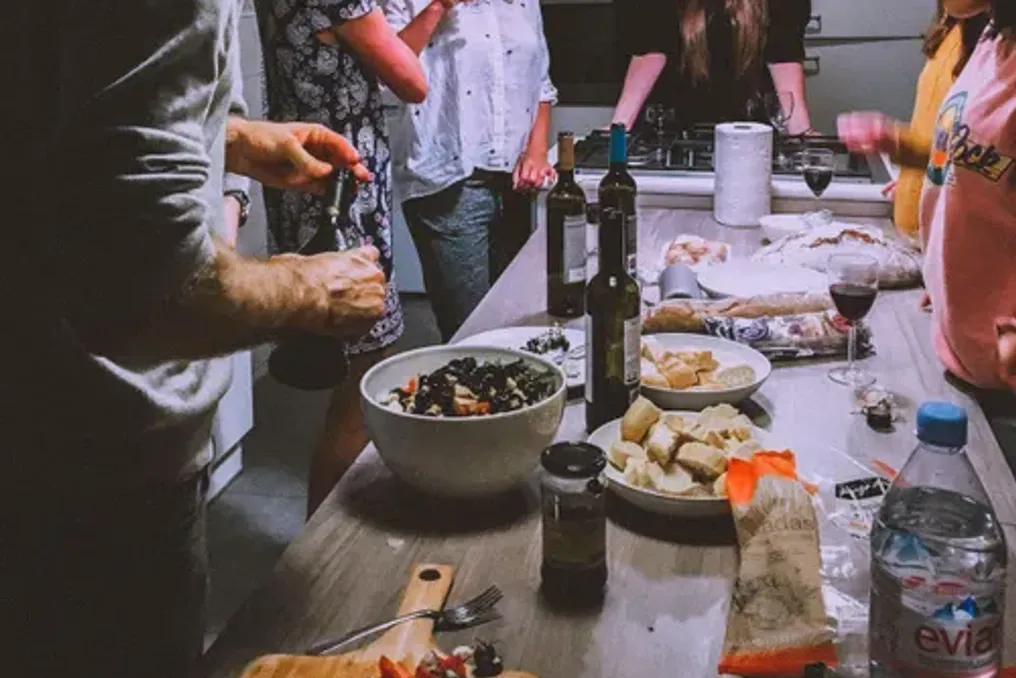
A complicated menu is one of the quickest ways to turn a casual get-together into a stressful event. Choose one main dish and supplement it with light side dishes. Baked chicken, pasta, curry, or braai can feed many people without requiring the preparation of five different dishes. For small gatherings, a platter of appetizers including cheese, crackers, fruits, biltong, and other easy-to-serve snacks is also suitable, which relieves tension.
The goal is to feed the guests, not to prove how many hours you can spend in the kitchen.
If someone offers help, accept it. You don't have to give up the kitchen entirely, but there is no reason to reject every offer of assistance. Ask someone to put out glasses, bring snacks to the table, brew coffee, or help with the dishes. Hosting is not a one-person job, and accepting a little help can make the gathering more relaxed and informal.
You don't need to spend all day refilling drinks for every guest. Place drinks, glasses, ice, and a few garnishes in one easily accessible spot and let guests serve themselves. Keep water nearby. This small change will allow you to sit down instead of constantly walking around acting as a bartender. Create a simple bar area.
Didn't the dessert turn out as planned? Is there dirty dishes piling up in the kitchen? Did you forget to buy something? If it doesn't really matter, just let it go. Constantly pointing out mistakes only increases your focus on them and can create the impression that your guests should comfort you. Most of the things that worry you will barely be noticed by others.
Perhaps the biggest mistake hosts make is spending the entire event working. You don't need to clear every plate immediately after someone finishes eating, or wash every glass as soon as it hits the kitchen. Do the bare minimum, and then sit down. The dishes will wait. An important part of people being in your home is being present with them.
There is no single right way to entertain. A relaxed braai, a shared bowl of curry at the table, or afternoon coffee with cake can be just as memorable as a formal dinner. For women who often bear the burden of planning and practical work of gathering people, relieving some of this pressure matters. The best gatherings are rarely those where everything goes perfectly. They are the ones where everyone feels welcome, including the person who opened the front door.