A SpaceX rocket fragment that has been in space since last year is preparing for a significant collision with the Moon on Wednesday. According to American time, this will occur early in the morning.
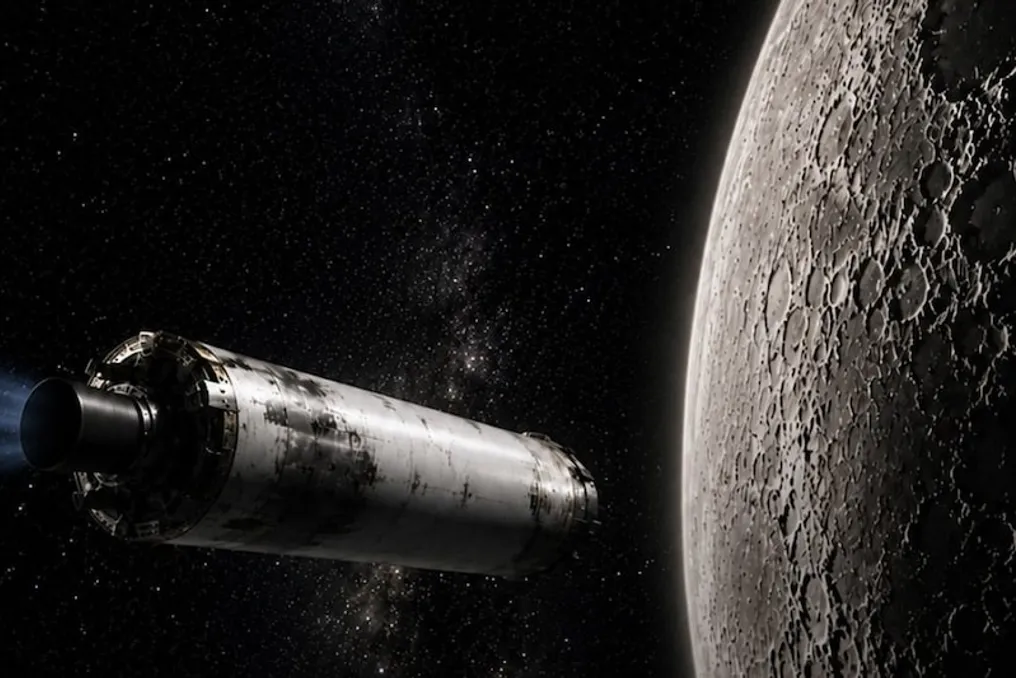
This object, which is approximately the size of a school bus and weighs 4,000 kilograms, belongs to the SpaceX Falcon 9 rocket. This rocket was used to launch the Firefly Aerospace lunar lander in January 2025.
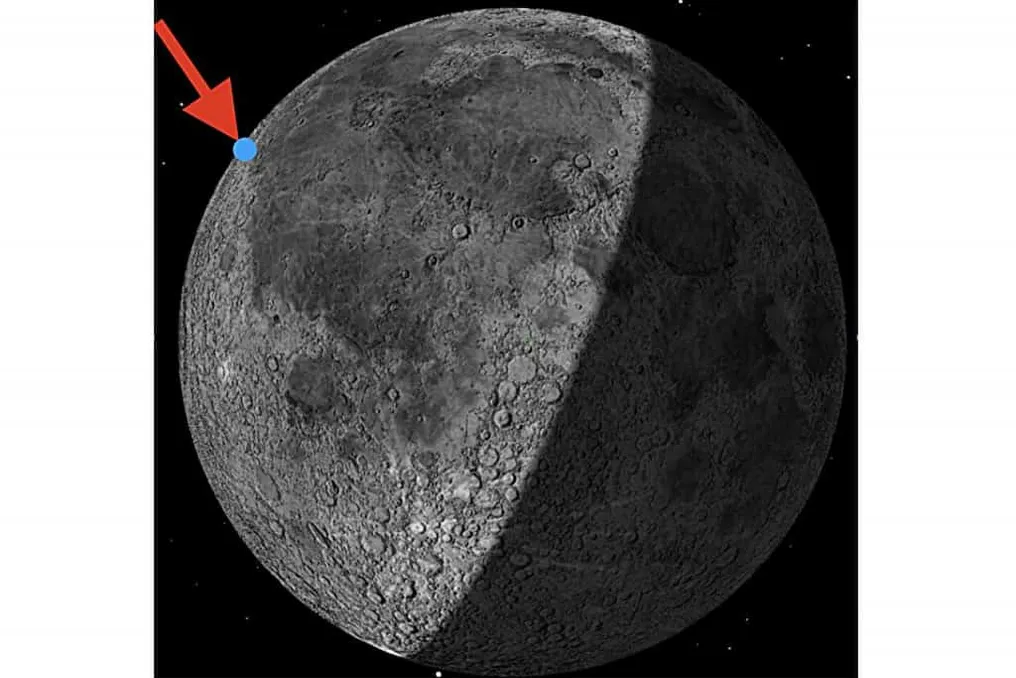
The collision is expected around 06:35 GMT (ET), when this piece of rocket will reach the lunar surface at a speed of 8,690 kilometers per hour. Upon impact, a cloud of lunar dust will be raised, which may glow under sunlight, but it will be difficult to see with the naked eye from Earth.
SpaceX states that this collision is unintentional. The fragment may strike the Einstein crater on the Moon's western side, which is often difficult to observe from Earth.
Typically, after delivering its payload into orbit, rocket stages burn up in Earth's atmosphere or fall into the ocean. However, for the lunar lander mission in January, more thrust was required compared to missions closer to Earth, causing the second stage to remain in space. It has been drifting aimlessly among thousands of other pieces of space debris that active satellites must avoid.
Earlier this year, experts discovered that the rocket was on an orbital path leading toward the Moon. By that time, it had already expended its remaining fuel, making it uncontrollable.
According to Reuters, Juliana Shaiman, Director of NASA Science and Dragon Program at SpaceX, stated that a combination of solar activity and gravitational forces directed the rocket toward the Moon. She said this does not pose a danger. Nevertheless, it demonstrates some negligence in disposing of leftover space equipment.
Collisions between space debris and the Moon happen rarely. For instance, in March 2022, a Chinese rocket stage collided with the Moon after completing a lunar test mission. In 2009, NASA intentionally landed part of a rocket on the Moon to study the dust and debris raised by the impact.
Shaiman noted that NASA and SpaceX are discussing ways to prevent such collisions in the future. The American space agency plans to establish a base on the Moon and regularly send astronauts there later this decade as part of its Artemis program. They do not want wandering pieces of space debris to collide with these assets.