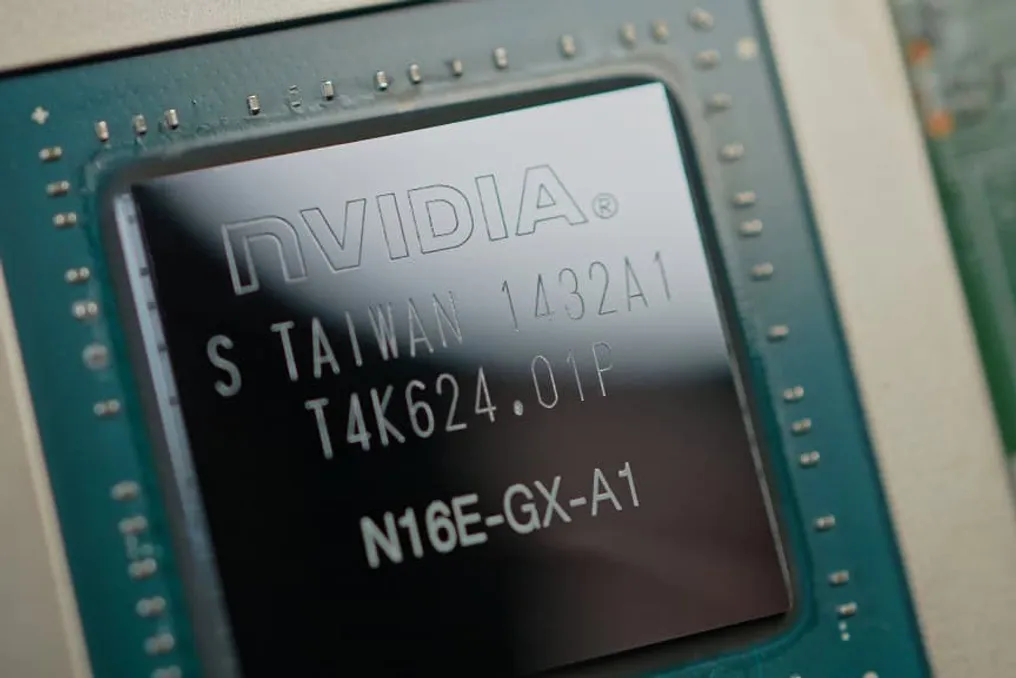
SpaceX has disclosed a strategic ambition focused on artificial intelligence (AI), announcing that all of the company's future AI data centers will be built exclusively using chips supplied by Nvidia.
Additionally, the company revealed a collaboration with the manufacturer to create computers capable of running AI models directly on orbital satellites. Elon Musk stated that SpaceX's goal is to achieve over 2 gigawatts of computational capacity dedicated to AI by the end of 2026, with plans to expand this infrastructure to approximately 10 gigawatts by the end of 2027.
This infrastructure will serve both the development of SpaceX's own AI models and the provision of cloud computing services to clients. During the presentation, Musk praised the new Nvidia platform, stating: 'We consider the Vera Rubin the best computer for artificial intelligence. And we highly value our close cooperation and partnership with Nvidia at various levels.'
SpaceX and Nvidia aim to bring AI into space
The partnership between the companies aims to develop space computing systems capable of executing AI models directly on solar-powered satellites. The project, named Starmind AI1, will involve the use of Nvidia Rubin GPUs and Vera CPUs, aiming to deliver performance comparable to terrestrial data centers.
According to SpaceX, the idea is to perform part of the processing in space and only send the results back to Earth via the Starlink satellite network. This would help reduce latency and take advantage of the constant availability of solar energy in the space environment.
SpaceX argues that space computing can be a solution to the growing difficulty in obtaining sufficient energy for new data centers on the Earth's surface. The satellites will utilize technologies already present in the Starlink constellation but adapted to handle the demands of artificial intelligence workloads. Among the highlighted advantages are:
- Natural cooling: heat would be dissipated directly into the vacuum of space, significantly reducing energy consumption for cooling systems, such as fans and chillers used in traditional data centers.
- Modular architecture: although the initial project uses Nvidia chips, the SpaceX platform has the potential to accept computing modules from other manufacturers.
- Laser communication: the satellites will be connected through high-speed optical links, transmitting processing results to Earth via the Starlink network.
Factory will produce thousands of satellites
To realize this project, SpaceX is building the Gigasat Factory, located in Bastrop, USA. This facility will be responsible for the large-scale manufacturing of satellites intended for artificial intelligence and should enable the production and launch of thousands of units starting from the end of 2027.
The company has already expressed its intention to put up to one million satellites dedicated to computing into orbit. This plan, which has not yet been proven in practice, raises concerns among scientists due to the risk of increased space debris and potential environmental consequences.