The success of Siri could lead Apple to reconsider its cautious approach in the artificial intelligence (AI) competition and potentially increase its investments in this field. Previously, the company opted to avoid developing its own AI models, preferring to form partnerships with industry competitors to streamline its strategy.
The most recent change involved adopting Google Gemini as the technological foundation for the revamped digital assistant, after Apple ended its previous collaboration with OpenAI. This decision raised a strategic dilemma: whether to prioritize mitigating financial risks or maintaining control over a technology seen as crucial.
This reassessment occurs amid intense AI competition in the technology sector, where giants such as Microsoft, Google, Amazon, OpenAI, and Anthropic compete in models, infrastructure, and commercial applications.
The new Siri may change Apple's AI strategy
For many years, Apple maintained a more reserved stance regarding AI development. Instead of allocating large sums to creating internal models, the company relied on external vendor technology, which reduced the urgency to rapidly expand its infrastructure spending.
This tactic generated financial benefits, as by delegating part of the development work to partners, the company avoided bearing the high costs inherent in building advanced AI systems alone. However, this implied greater dependence on the capabilities and decisions of other corporations.
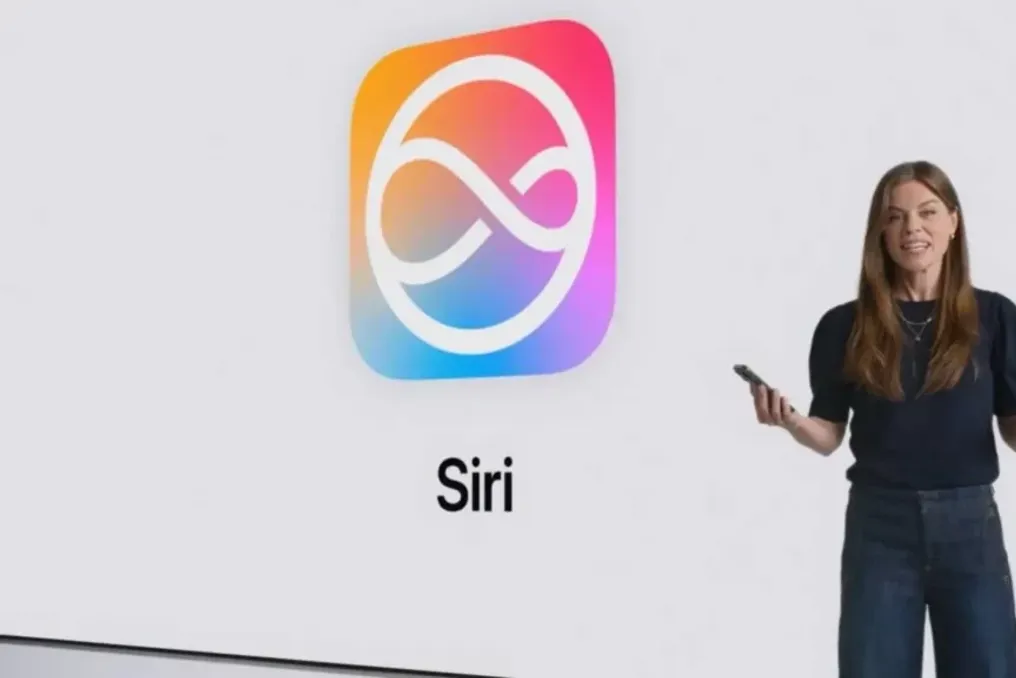
This shift became notable when Apple swapped OpenAI for Google Gemini to power an enhanced version of Siri, which is scheduled to be released to the public in the fall. This substitution demonstrated how the choice of AI provider can directly impact the effectiveness of the company's strategy.
External dependency contrasts with Apple's historical tendency to maintain control over much of its product experience, spanning from hardware to software. Although the company built its reputation through strict vertical integration, AI introduced a scenario where essential technological components are managed by third parties.
The financial burden tends to grow if Siri, equipped with advanced features, achieves widespread popularity. While some AI capabilities can operate directly on the brand's devices, other functions require superior computational power, demanding a more robust processing structure.
In dialogue with analysts after releasing financial results, Apple CEO Tim Cook clarified that the company uses a combination of its own data centers with contracted cloud computing services to support its AI strategy. Cook assessed the impact of future technology costs with the phrase: 'We will see what Siri AI does.'
The executive also pointed out that a significant portion of the expenses related to AI is being absorbed by the company's current operations, without necessarily requiring a drastic jump in capital investments. Furthermore, the company believes that more expensive iCloud subscriptions aimed at heavy AI users can help cover some of these expenditures.
Nevertheless, the accelerated growth in demand for AI-based services may limit Apple's ability to keep cost expansion under control. The experience of other companies in the sector indicates that competing in this market requires considerable resources.
While Apple weighs its next steps, other technology companies are vying for strategic positions. OpenAI, which initially drove the popularization of generative AI, faces increasing pressure from Anthropic, which has focused its efforts on AI programming tools.
Anthropic identified an opportunity in a specific corporate market niche and gained prominence in the coding area, while OpenAI deals with rising expenses and seeks to regain advantage in a dispute involving future public offerings.
The competition also extends to the cloud computing market. Amazon maintains its leadership in this segment, but Microsoft and Google have accelerated their digital infrastructure businesses, driven by the demand from AI labs and companies.
Amazon Web Services has seen accelerated revenue growth, but the expansion of rivals draws attention. Google Cloud has shown a higher growth rate in the most recent period, while Microsoft has increased its share through contracts linked to AI companies.
The advancement of artificial intelligence has also generated repercussions in other segments. In the publishing market, debates about authorship and transparency have increased due to cases involving suspected use of AI in literary works.
A recent incident involved a two-book deal valued at US$2 million, which was suspended following questions about the use of artificial intelligence in the creative process. This case was part of a series of controversies affecting the publishing industry.
Additionally, companies across various sectors continue to increase their technological investments. Visa announced the acquisition of a company specializing in AI fraud detection, while Tesla is evaluating strategic changes regarding its operations in China and potential links to Elon Musk's artificial intelligence ventures.