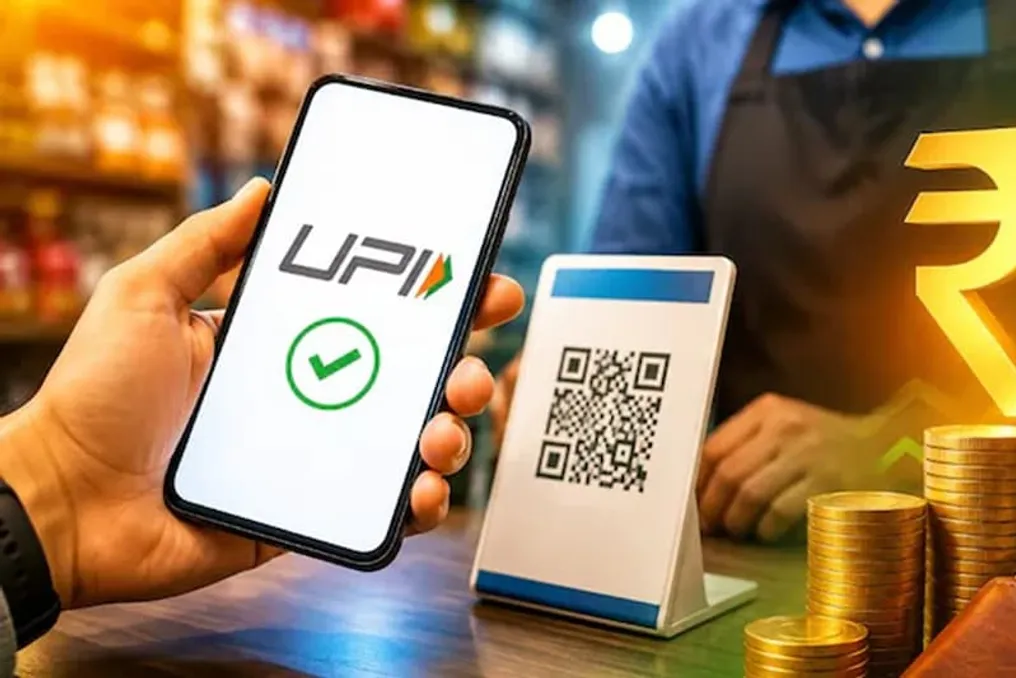
The system of free UPI payments in India may undergo changes. The government has introduced amendments to the 'Payment and Settlement Systems Act' in parliament, which could lead to the introduction of fees for certain types of transactions via UPI. Although the final approval of any charges has not yet occurred, the proposed legislative changes pave the way for implementing a 'Merchant Discount Rate' (MDR).
The payments industry has long advocated for the implementation of MDR to stimulate the growth of the digital payment ecosystem. These changes, presented by Finance Minister Nirmala Sitharaman, will not take effect immediately; instead, they create a legal framework allowing the government to later decide on the introduction of MDR.
According to a Reuters report, officials continue to discuss the details of implementing the levy, including exactly how it will be applied and to which types of transactions it will apply, and no final decision has been made yet.
Is a charge possible for sellers with an annual turnover exceeding 1.5 crore rupees?
One of the options under consideration involves introducing an MDR ranging from 0.3% to 0.5% for UPI transactions exceeding 2000 rupees. However, it is suggested that this charge would only apply to traders whose annual turnover exceeds 1.5 crore rupees. This means that customers are unlikely to have to pay additional amounts, while small entrepreneurs can continue to use free UPI transactions.
There is also discussion about determining the fee size based on the seller's annual turnover rather than the cost of individual transactions. Policy developers are studying various approaches to ensure that if MDR is introduced, the financial burden falls predominantly on large enterprises, not on small shops and retailers.
What is the MDR fee?
MDR is the fee paid by a seller to banks and payment service providers for processing digital payments. Unlike UPI, sellers already pay commissions for card payments. Typically, trade is charged around 1.5% for credit card transactions, whereas the rate for debit card payments can be lower, depending on the bank and payment network. UPI was previously exempt from such charges, making it an attractive option for both sellers and buyers.
The report notes that industry representatives have repeatedly pointed out that creating a sustainable business model without UPI service fees is difficult. Since they do not earn revenue from processing UPI transactions, industry players believe that their capacity to invest in new technologies, strengthen payment infrastructure, and expand services is limited.
Their argument is that limiting the application of MDR to high-value transactions can promote the long-term development of the digital payment system in India. Although transactions exceeding 2000 rupees constitute only a small fraction of the total volume of UPI payments, they contribute significantly to the overall transaction amount.
According to Jefferies analysis, these payments account for about 67% of the total amount processed through Merchant UPI, while representing only 4% in terms of transaction count. The brokerage firm believes that introducing MDR in this segment could open up earning potential of 5,000 to 10,000 crore rupees annually, benefiting companies such as Paytm and Pine Labs.
At present, these proposals are merely legislative provisions. The government has not announced whether MDR will be introduced, what its final rate will be, or when such a change will occur. Until a final decision is made, UPI payments will remain free within the existing system.
},