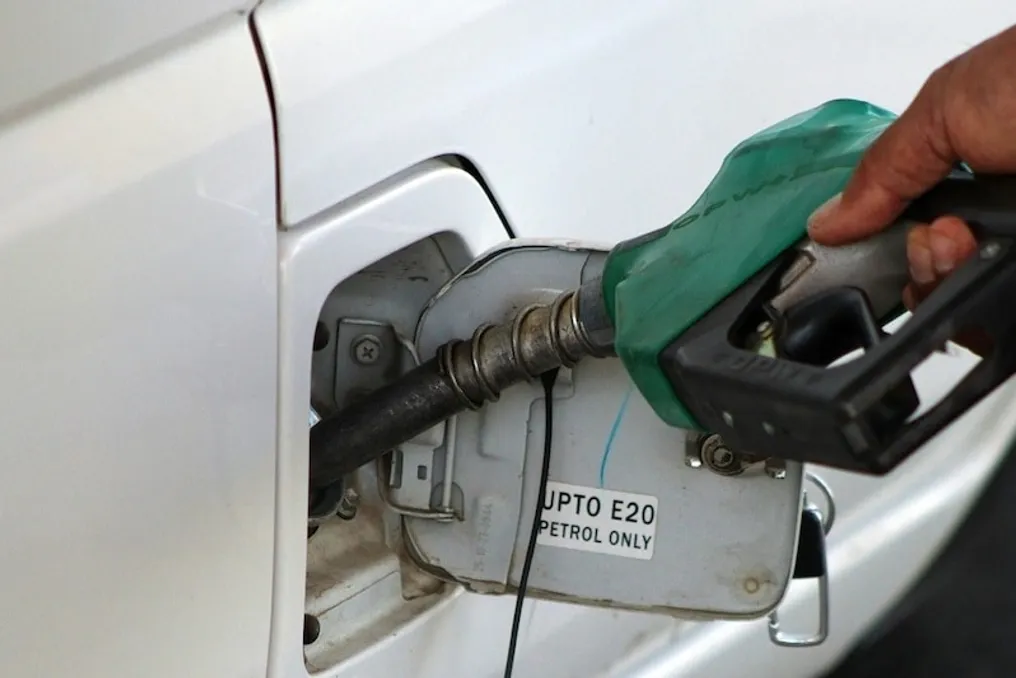
The debate over E20 petrol in the country continues. The government states that the situation is under control and that the quality of petrol is being continuously monitored. In contrast, a purported report by SIAM, the leading organization of automobile companies, revealed facts mentioning the rapid deterioration of critical parts of the engine and exhaust system.
It is noteworthy that the media reports making these claims were later retracted. This situation raises the question of what the actual status of E20 petrol is—whether it is limited to a few specific cases or if there is a major challenge in quality control with nationwide E20 fuel usage?
According to a CNBC TV-18 report, SIAM had expressed its concerns regarding the quality of E20 petrol by writing a letter to the Ministry of Petroleum and Natural Gas. This report stated that due to the presence of high chloride and moisture in E20 petrol, fuel injectors, fuel pumps, Exhaust Gas Recirculation (EGR) valves, exhaust systems, and many engine components are deteriorating rapidly. SIAM argued that corrosion due to chlorides and unnecessary wear were found to be the main causes of these failures in field tests.
The report claimed that SIAM observed an increase in chloride-related incidents after the implementation of E20 petrol. The organization believed that higher chloride levels could cause severe corrosion in the engine and exhaust system, potentially leading to immediate vehicle failure or serious technical problems in the long run. The report also warned that if such incidents continued to rise, consumer confidence in ethanol-blended petrol could decrease.
The report also mentioned that samples taken from some vehicle fuel tanks showed chloride levels up to 500 mg/kg, while samples taken from some petrol pumps recorded this level at 350 mg/kg. SIAM requested the government to mandatorily include the maximum limit for chloride in the fuel standards of the Bureau of Indian Standards (BIS). The organization recommended keeping the total chloride limit in E20 and E85 fuels below 1 mg/kg.
Not only chloride, but high moisture content in E20 petrol was also highlighted as a major problem in the report. It was claimed that the moisture level in several samples exceeded 10,000 mg/kg, whereas the prescribed limit is 3,000 mg/kg. Such high moisture has a direct negative impact on the internal components of the vehicle. Since ethanol absorbs moisture from the atmosphere, excessive moisture can cause the fuel to separate into different layers, potentially leading to issues like engine stalling immediately after refueling.
SIAM also urged the government to have Oil Marketing Companies (OMCs) investigate the root cause of the poor fuel and strengthen the monitoring of the entire fuel supply network. The report suggested that malfunctions in underground storage tanks and pipelines of older petrol pumps could lead to water and other impurities mixing with the fuel, so these older pumps should undergo regular inspection and audit.
In response to this report, the Ministry of Petroleum and Natural Gas issued a statement saying that Oil Marketing Companies regularly test fuel quality across the country. According to the ministry, in addition to the existing testing system, water mixture checks are now being conducted 8 to 12 times a day at over 87 thousand petrol pumps. The government also stated that chloride was found in only two cases out of more than 2,000 samples taken from across the country, and the sale of fuel at those two petrol pumps was immediately stopped; strict action will be taken if any mixing is found in the future.