
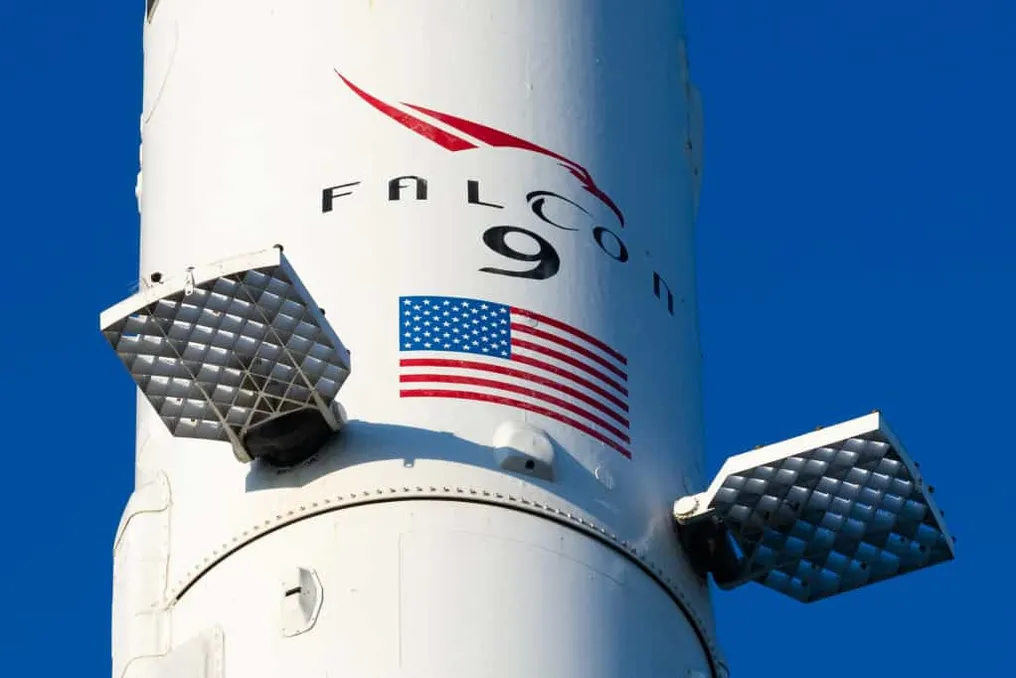
The upper stage of the SpaceX Falcon 9 rocket is preparing for an unexpected flight, concluding its trajectory on the surface of the Moon. It is anticipated that the impact will result in the formation of a new crater and assist researchers in studying the consequences of space collisions.
The object had been in orbit for over 18 months following the lunar mission. Its path to the Moon was not planned but was determined by the action of gravity and solar activity.
Why did the rocket end up on the Moon?
The Falcon 9 was launched in January 2025 with two private probes: Blue Ghost from Firefly Aerospace and Resilience, built by the Japanese company ispace. The Blue Ghost probe successfully landed and completed its mission, while Resilience failed during its landing attempt. Meanwhile, the rocket's upper stage headed toward another destination.
Typically, SpaceX controls the end-of-life of such components through a planned entry into the Earth's atmosphere. However, in this launch, almost all the fuel was used to deliver the probes to the lunar region. The stage, weighing about four thousand kilograms, was in a high orbit crossing the lunar area. It is projected to reach the lunar surface this Wednesday (the 5th) around 3:35 AM Brazilian time, forming a crater approximately 27 meters in size.
Gravity and Sun directed Falcon 9 to impact
The rocket was not commanded to move toward the Moon; the change in course occurred slowly as natural forces altered its trajectory. Juliana Sheiman, Director of NASA Science Programs and Dragon Capsules at SpaceX, explained that the combination of solar activity and gravitational forces directed the object onto a lunar path. This incident draws attention because it demonstrates a growing problem in space exploration: what to do with equipment that continues to orbit after a mission is complete.
Key points related to the collision include: the stage weighs about four thousand kilograms; the impact should open a crater approximately 27 meters in size; scientists will be able to study how impacts affect the lunar surface; the data obtained may help in planning future crewed missions.
The impact could reveal risks for future bases on the Moon
Most people on Earth are unlikely to see the collision, as it will occur on the illuminated side of the Moon. Nevertheless, astronomers with powerful telescopes will be able to detect the plume of material ejected during the impact. Benjamin Fernando, a researcher at the Los Alamos National Laboratory and lead investigator of this event, stated that the phenomenon will help better understand the dangers posed by space debris. This concern is linked to NASA's plans to build a base near the Moon's south pole as part of the Artemis program. Since astronauts will live there for extended periods, preventing unexpected collisions will become an important issue. SpaceX is collaborating with NASA and other agencies to find safer ways to dispose of high-energy mission stages.
The Falcon 9 will not be the first object to reach the Moon in this manner. In 2022, the upper stage of the Long March 3C rocket created a rare double crater on the lunar surface. The new impact should add more data to understanding how these events occur and how to mitigate associated risks in the future. Brazilian astronomers are already preparing their telescopes!
As in many parts of the world, astronomers in Brazil are anticipating this moment. Some of them will also cover the collision in real-time, including profiles from AstroNEOS, Astronomia Ao Vivo, OARU – Observatório Astronômico Rei do Universo, and Mistérios do Espaço.