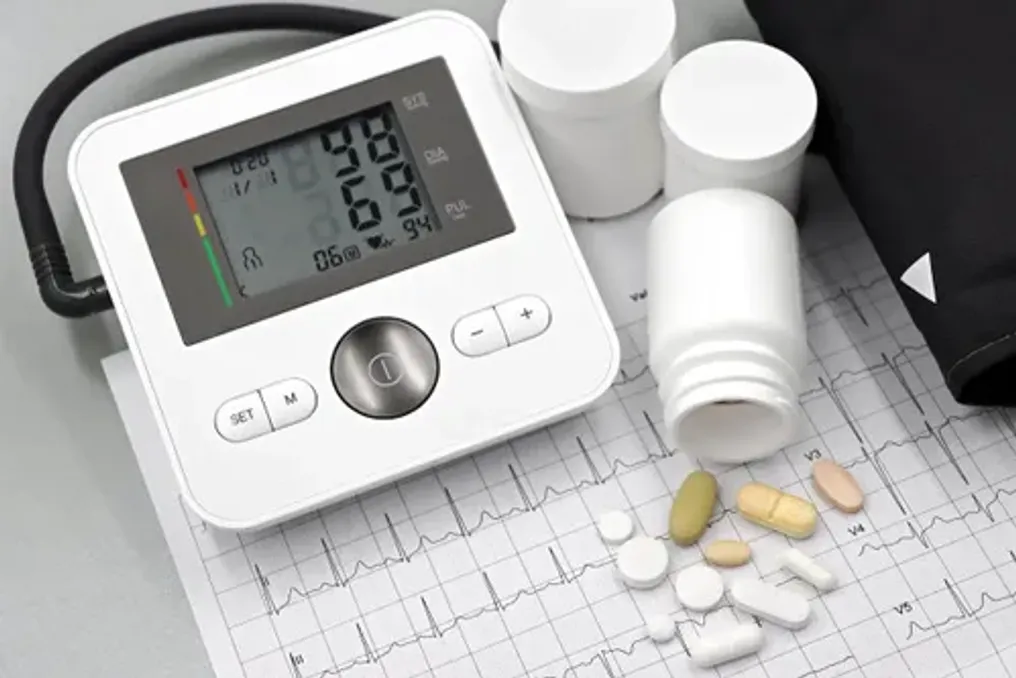
People living with chronic diseases can significantly improve their health condition by combining prescribed medications with adopting a healthy lifestyle, according to pharmacist Tlangelani Sivele of Medipost Pharmacy.
Sivele emphasized that while medication remains necessary, daily decisions regarding diet, physical activity, sleep, and adherence to treatment regimens play an equally important role in controlling long-term conditions.
She noted that the phrase 'prevention is better than cure' can be difficult to implement, especially when the danger does not seem immediate. In her words, for many chronic diseases, taking prescribed medication constitutes only half of the treatment plan; the second half lies in the daily choices that provide the body with the best foundation for a long and fulfilling life.
Sivele explained that conditions such as hypertension often develop without obvious signs until they lead to serious complications, including strokes, heart attacks, or kidney damage.
For individuals suffering from type 2 diabetes, the pharmacist advised that regular monitoring, balanced nutrition, physical activity, and consistent medication intake help prevent dangerous fluctuations in blood sugar levels and reduce the risk of severe complications.
She strongly recommended focusing on small, achievable lifestyle changes rather than trying to make radical changes all at once. Implementing one healthy habit at a time, such as increasing daily walking or cooking nutritious meals at home, makes a healthy lifestyle more sustainable in the long run.
Sivele also suggested involving family members in achieving health goals to ensure support and accountability. Adequate sleep is another critical factor in managing chronic diseases; seven to nine hours of quality sleep every night helps regulate blood pressure, blood glucose levels, and hormonal balance, supporting physical and mental well-being.
Regular check-ups with a medical professional are also extremely important for monitoring chronic conditions and adjusting treatment if necessary. Sivele stressed that medications should always be taken strictly as prescribed, as missing doses can reduce their effectiveness and complicate the control of chronic diseases.
To improve medication adherence, she offered practical methods: using weekly pill organizers, setting reminders on a phone or wearable device, or tracking doses in a calendar.
Sivele concluded that good health is built by small decisions. By starting with a simple change today, such as reducing salt intake or drinking a glass of water with every meal, and taking medication exactly as prescribed, one can have a long-term positive impact on their health and well-being. Small, consistent actions today can protect your health for years to come.