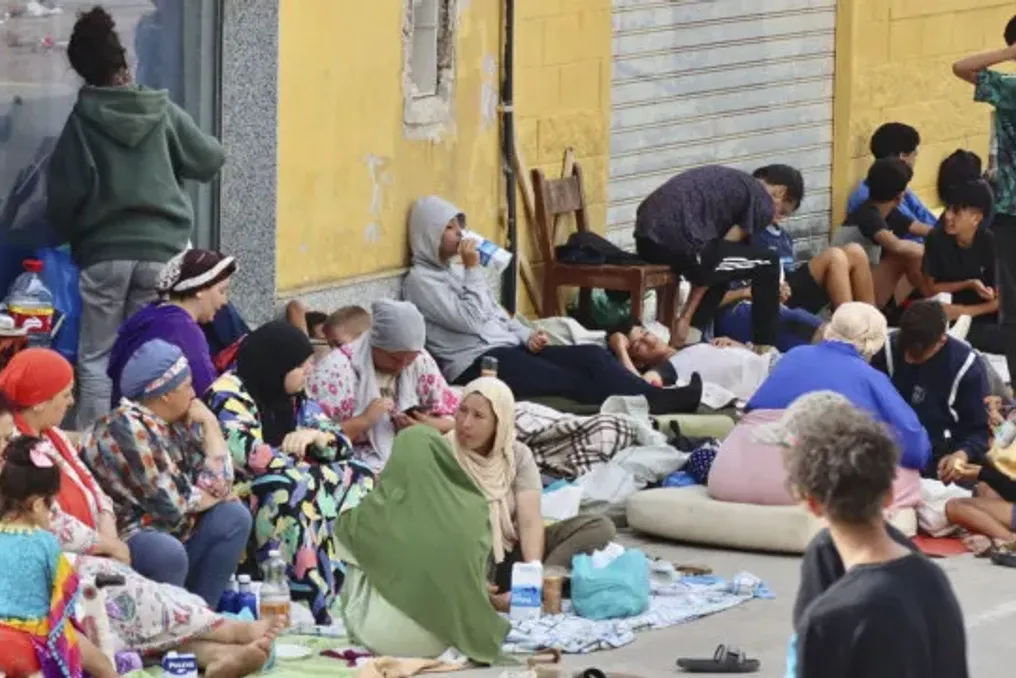
Due to the critical situation with unaccompanied minors in the autonomous city of Ceuta, an executive authority representative from Ceuta, Alejandro Ramírez, stated that the situation in the Spanish autonomous city is in a state of 'collapse and overcrowding,' as both reception centers and additional facilities are overloaded.
Currently, the Ceuta government is assisting thousands of minors, but it believes the number will be higher because many are on the streets and have not yet reported to reception centers. In this situation, the local police will take on the task of transporting any minors found in the city to available shelters.
In response to the developing situation, two industrial warehouses in the Tarajal area, near the border with Morocco, have been prepared to accommodate approximately 500 minors in each.
Spain's Minister of Inclusion, Social Security and Migration, Elma Saiz, announced that the central government of Spain will provide Ceuta with emergency funds amounting to 25 million euros to assist unaccompanied minors in the city. Elma Saiz specified that these funds are being transferred from the Ministry of Finance to the Ministry of Youth and Childhood.
Sources in the department led by Sira Rego subsequently confirmed that this additional funding will be transferred to Ceuta for emergency assistance to migrating unaccompanied children and adolescents in the Spanish enclave in North Africa. These 25 million euros supplement the 5.5 million euros allocated for childhood affairs sessions in July.
Saiz emphasized that this is a clear demonstration of the commitment of the Spanish government to supporting Ceuta and, undoubtedly, paying special attention to the most vulnerable segments of the population, after analyzing registration data in the social security system as of July 30, 2026. Furthermore, the Minister of Inclusion called on all autonomous communities, including those governed by the Popular Party, to help these minors.
When asked about receiving any warnings from Morocco ahead of the mass influx, Saiz stated that at 'no point' was there 'knowledge of a report warning' about the 'scale of this unprecedented event,' although she admitted that 'information about increased arrivals typical of this summer period was obviously available.'
She insisted that 'this is an unprecedented fact, to which, incidentally, an equally unprecedented response has been given, which I want to share, highlight, and emphasize, and the President of the European Commission, Ursula von der Leyen, has approved and praised.' Also, responding to the question of criticism towards Morocco, the minister noted that this 'good management practice' of the migration crisis 'could not have been possible without Morocco's cooperation.'
Elma Saiz defended the position, stating that 'the migration policy of the Spanish Government is always focused on human rights' and that 'Spain has once again justified the situation.'
In response to the central government's announcement of an additional 25 million euros that Ceuta will receive to combat the migration crisis, the executive authority representative of Ceuta stated that 'this is welcomed.' However, he added that the total amount the autonomous city government should allocate to solve the migration crisis 'is currently unknown,' and requested more resources from the central government for these emergency placement efforts.
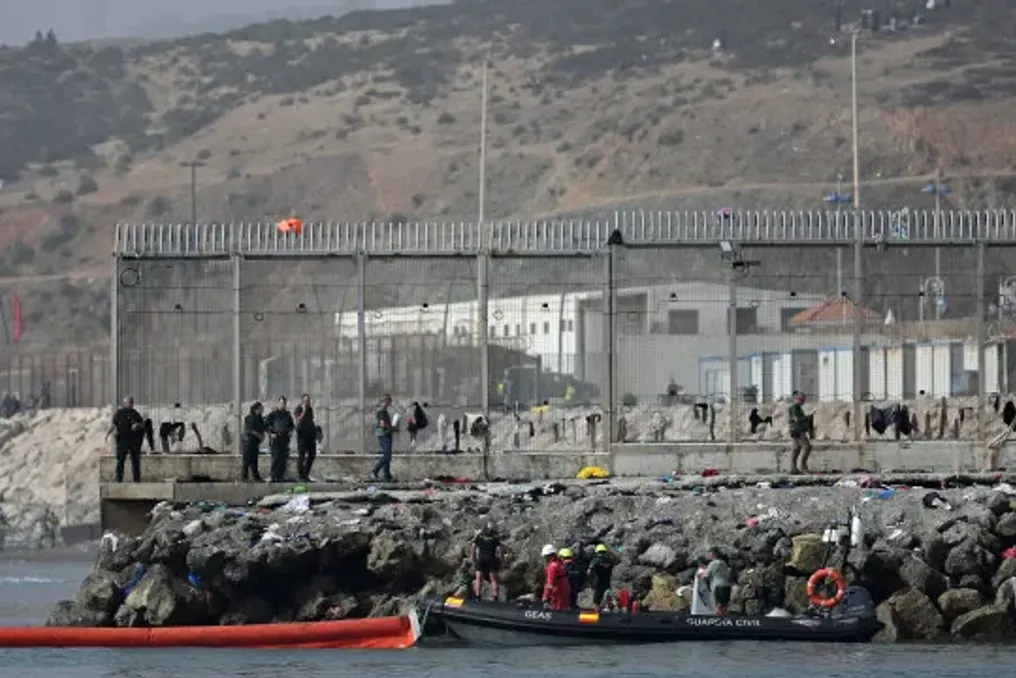
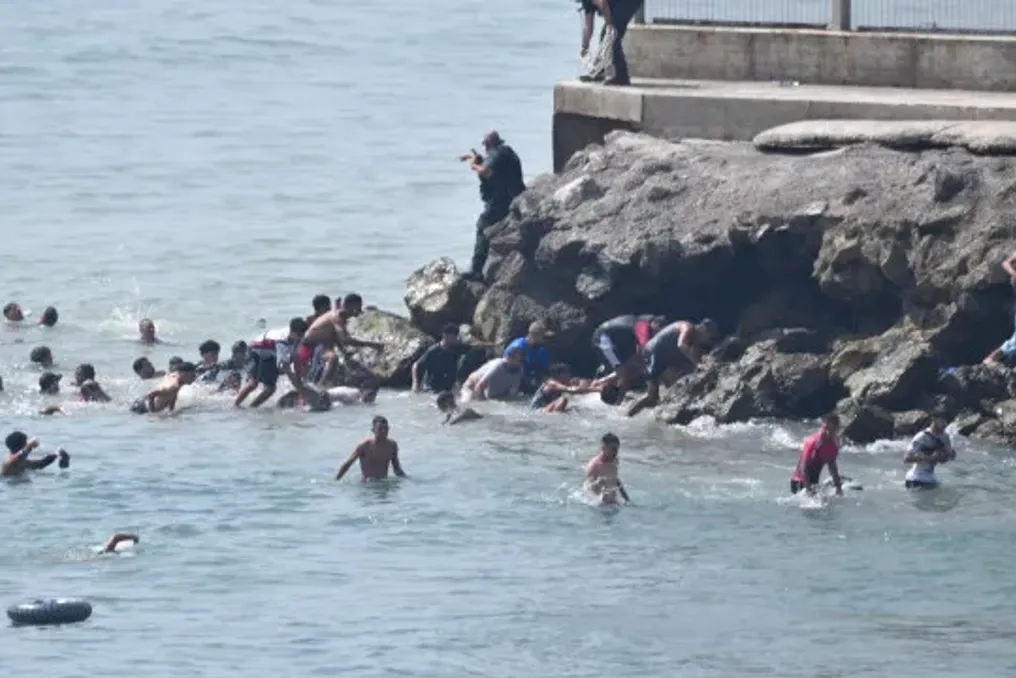
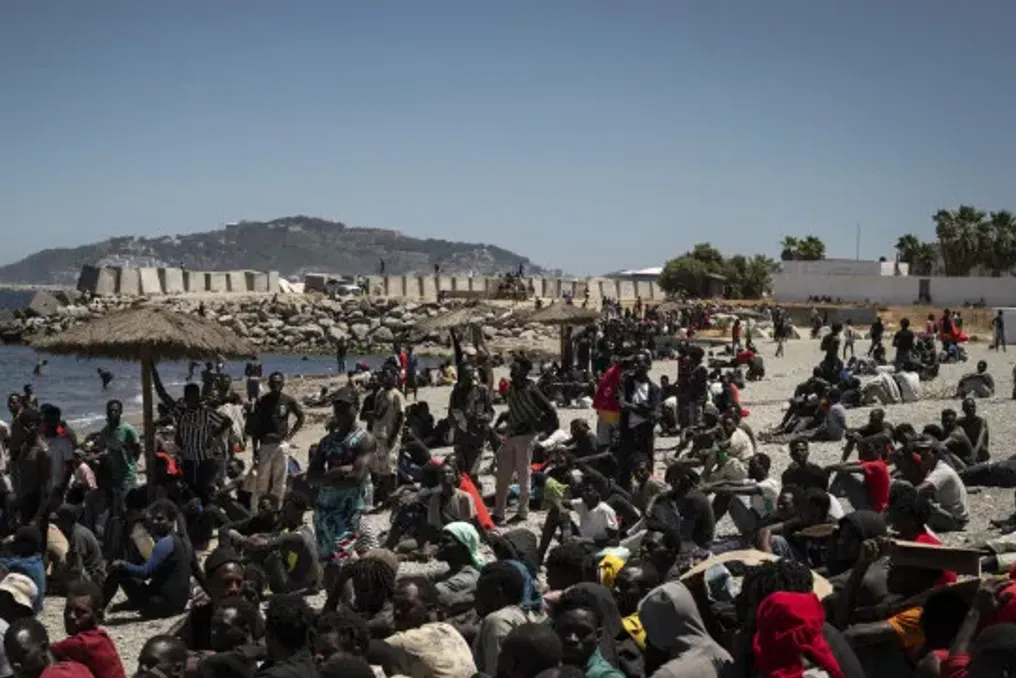
According to updated data from Madrid, about 72,000 migrants entered Ceuta in the last 24 hours of last week, and 70,000 have already returned to Morocco. At least 75 people died trying to reach the Spanish city in North Africa at sea.
Ceuta, a small region with a population of about 83,000, located in the extreme north of Morocco and bordered by the Strait of Gibraltar, is one of the two land borders between Africa and Europe, alongside another Spanish enclave—the city of Melilla.