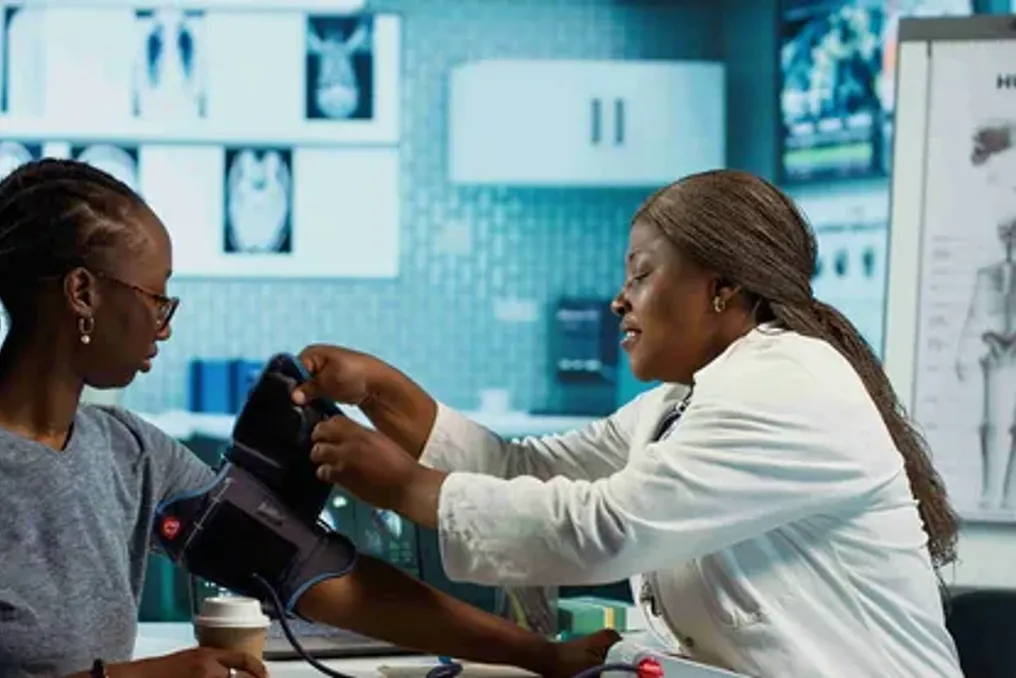
Dr. Peter de Jong advised pregnant women to seek immediate medical attention if they experience fluid vomiting, as this is an important sign of dehydration.
Dr. Peter de Jong advised pregnant women to seek immediate medical attention if they experience fluid vomiting, as this is an important sign of dehydration.
Although nausea and vomiting are common occurrences during pregnancy, there is a much more serious condition known as hyperemesis gravidarum (HG), which can endanger both the mother and the pregnancy if not treated in a timely manner.
Osteopath and gynecologist Peter de Jong from Netcare Christiaan Barnard Memorial Hospital emphasized that persistent vomiting preventing a pregnant woman from retaining food or fluids should never be dismissed as ordinary morning sickness.
He stated: 'When a pregnant woman cannot keep down any food or fluids, it should never be attributed to 'just morning sickness.' Dehydration during pregnancy is always a medical emergency.'
Hyperemesis gravidarum, the medical term for excessive vomiting during pregnancy, usually develops during the first trimester. It is characterized by recurrent daily vomiting, weight loss, and severe dehydration.
According to de Jong, this condition may be more common in women expecting twins or in pregnancies associated with certain hormonal imbalances. He added that with early treatment and adequate hydration, HG itself does not pose a threat to the unborn child.
However, untreated dehydration can reduce blood flow to the placenta, making early medical intervention vitally necessary. De Jong strongly recommended that pregnant women seek immediate medical help for fluid vomiting as a key warning sign of dehydration.
Symptoms of dehydration during pregnancy include decreased urine output compared to normal, dark yellow urine, dizziness upon standing, sunken eyes, dry lips and tongue, and dry skin.
By the time many women seek help for HG, they are often exhausted after prolonged vomiting and inability to retain fluids. Symptoms usually begin within the first two or three months of pregnancy, with many women improving their condition by mid-pregnancy. However, this condition can recur later in the same pregnancy or in future ones.
Treatment depends on the severity of symptoms and often requires hospitalization, where intravenous fluids are used to restore hydration and electrolyte levels. Medications safe for pregnancy may also help reduce nausea and vomiting.
De Jong noted that emotional and practical support from partners and family members plays an important role in recovery, including help with household chores, childcare, and encouraging early medical consultation if symptoms worsen. For women suffering from pregnancy-related nausea, he advised drinking vitamin supplements in the form of milkshakes several times a day, if tolerated. He concluded: 'If you cannot keep anything down, it is time to consult a healthcare professional.'
The Unified Health System (SUS) has expanded its telehealth capacity to a total of 100,000 cases designated for individuals dealing with difficulties related to online betting. This expansion occurred due to the growing volume of requests for mental health support services, as reported by Agência Brasil.
Through the Meu SUS Digital application, this initiative provides remote professional guidance and monitoring, ensuring confidentiality and a welcoming environment. The service began in March, initially registering an average of 600 monthly consultations. Due to high demand, the Ministry of Health increased the tool's capacity, which serves as an entry point to the Psychosocial Care Network (Raps).
The offering of this service is carried out in collaboration with the Ministry of Finance and the Brazilian Agency for SUS Management Support (AgSUS). Self-exclusion data also highlight the need for assistance: the Ministry of Health reported that over one million people requested the removal of their CPF from betting websites and applications through the Centralized Self-Exclusion Platform. Of this group, 35% cited loss of control over betting as the reason for the request.
Several behaviors signal the need to seek assistance. Among them are the inability to reduce or stop gambling, changes in sleep, eating, or mood patterns, and the habit of lying to family and friends about betting. Other alerts include feelings of anxiety, irritability, or agitation when away from gambling, as well as financial damage in personal or family life.
Warning signs also encompass feelings of shame, guilt, deterioration in relationships, and using betting as a mechanism to manage stress or frustrations.
The Ministry of Health points out that several factors increase individuals' vulnerability. These include early exposure to gambling, easy accessibility to platforms, impulsivity, social isolation, and a previous history of depression or anxiety. Additionally, social influences that positively promote betting and encourage gambling as an escape from emotional problems also contribute to this risk.
Women often prioritize the needs of their families and society over their own health requirements, leading them to skip or ignore necessary medical examinations. The reasons for this can range from busy schedules and financial difficulties to underestimating risks. Every year, thousands of women miss the opportunity to undergo critically important screenings.
Despite fulfilling numerous roles in family and community, women's own health can be sidelined. Busy schedules, financial pressure, and misconceptions about risks contribute to alarming statistics, as many women neglect essential checkups.
Murray Howell, CEO of Affinity Health, emphasizes the vital necessity of regular medical checkups, urging that 'women's health matters.' He noted that the earlier potential issues are detected, the better the outcome, and preventive care can save lives.
There are five key medical examinations that every woman should schedule: