Citizens of Uzbekistan belonging to eleven specific categories will be entitled to travel free of charge or with a 50 percent discount on air, rail, and intercity passenger transport.
Citizens of Uzbekistan belonging to eleven specific categories will be entitled to travel free of charge or with a 50 percent discount on air, rail, and intercity passenger transport.
These new initiatives are aimed at supporting socially vulnerable segments of the population and stimulating domestic tourism across the country.
According to the updated system, the distribution of transport benefits will be fully transitioned into a digital format. Paper coupons will be gradually abolished, and the right to a discounted trip will be automatically verified through the Unified National Social Protection System using an identity card or biometric passport.
This innovation is expected to increase access to historical and cultural monuments, pilgrimage sites, as well as ecological and recreational areas within Uzbekistan.
In particular, trips to major destinations such as Samarkand, Bukhara, Khiva, Shahrisabz, Termez, Fergana Valley, as well as mountainous and resort areas, will become more accessible for citizens in need of social support.
It is planned that starting from 2027, authorities will allow the purchase of discounted tickets online directly through the Baraka social card mobile application. This step is intended to simplify access to transport services as part of the ongoing digital transformation in the social sector.
According to officials, the implementation of digital mechanisms in transport services will help maximize the country's tourism potential and promote the national program 'Travel around Uzbekistan!'.
A new set of measures is being developed in Uzbekistan aimed at developing the social protection system. These proposals concern expanding access to education for children with disabilities, changing the approach to supporting the homeless and victims of human trafficking, and transitioning transport benefits to a digital format.
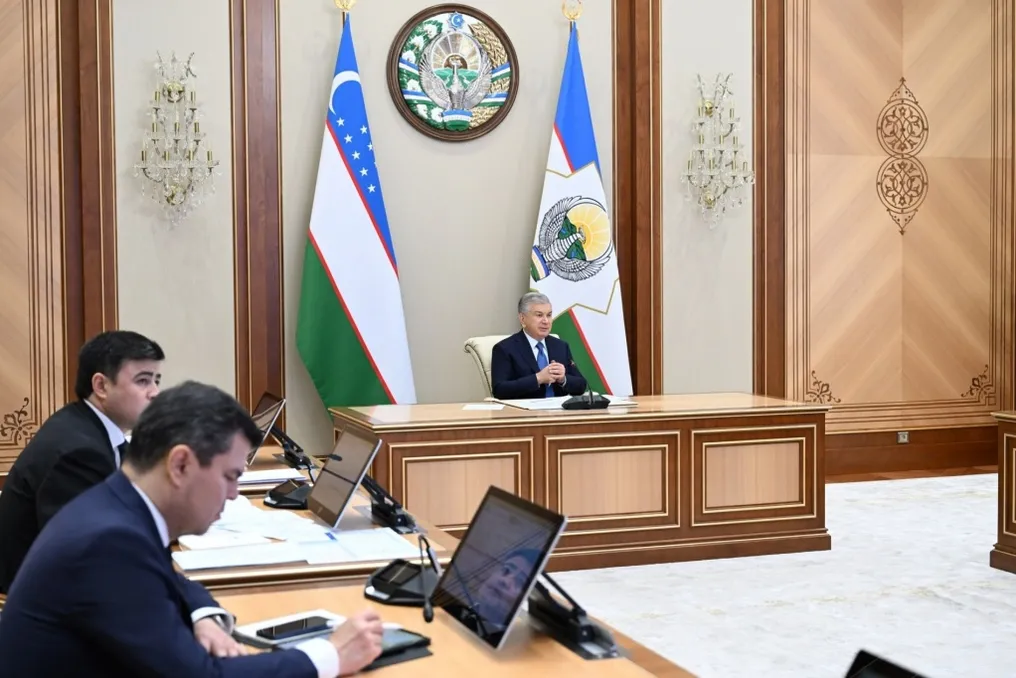
These initiatives were announced at a meeting attended by President Shavkat Mirziyoyev. It was noted that the social assistance system has significantly strengthened over the past years: the number of types of social services has increased from 23 to 140, and the annual coverage has reached 4.6 million cases, with almost half of these cases resolved at the mahalla level.
Special attention is paid to children with special educational needs. Currently, there are over 168 thousand children with disabilities registered in the country, but about 34.6 thousand of them do not participate in the educational process. To eliminate this problem, targeted work with families is planned, where each child's needs will be assessed at an early stage to select optimal learning conditions. A pilot project is scheduled for October 2026 in the Khorezm and Navoi regions.
Starting from the new academic year, individual study plans will be introduced in specialized schools. Assistants and helpers will be provided to visually impaired teachers and primary school students. Private educational institutions that open correctional classes near children's residences can apply for state subsidies, and the most successful projects will be awarded grants annually.
Furthermore, starting in 2027, a voucher system is planned to provide children with necessary assistive technologies, such as Braille displays and text-to-speech devices. Additional conditions will be provided for people with disabilities during exams, including extended time, assistance from assistants, and sign language interpreters.
The reform will also affect people without a permanent place of residence. Existing rehabilitation institutions will be converted into temporary accommodation and social reintegration centers. In these centers, people will receive support in restoring documents, receiving medical treatment, acquiring a new profession, and finding employment. Mechanisms for employment support will also be developed, including providing training vouchers and establishing job quotas.
Regarding victims of human trafficking, it is proposed to start the functioning of a system for assessing their situation through 'Inson' centers in September 2026, after which they will be referred to the relevant services. The network of rehabilitation centers for women and children will be expanded by increasing the number of available places. Concurrently, the introduction of separate criminal liability for child trafficking and restricting the activities of individuals involved in such crimes is being considered.
Another significant change concerns simplifying the process of obtaining discounted travel. Currently, more than 48 thousand people use this benefit, and in the future, the entire system will become fully digital. Paper travel tickets will be abolished, and the right to the benefit will be verified using an ID card or biometric passport. Starting in 2027, purchasing discounted tickets will be possible online through the Baraka mobile application.
The President approved all the proposed measures and instructed a thorough elaboration of their implementation process. Relevant agencies must now prepare all necessary documentation and ensure the gradual introduction of new social support mechanisms across the country. It should be noted that in 2025, 4.9 million applications were submitted to Uzbekistan's social protection system, more than double the figure from the previous year, when applications totaled 1.9 million.
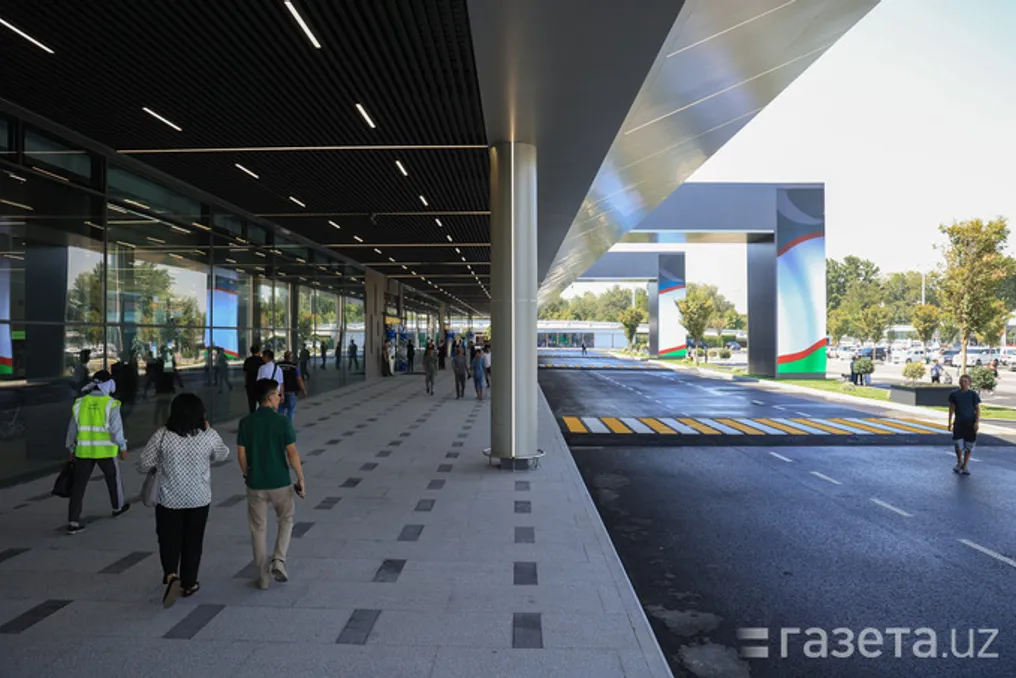
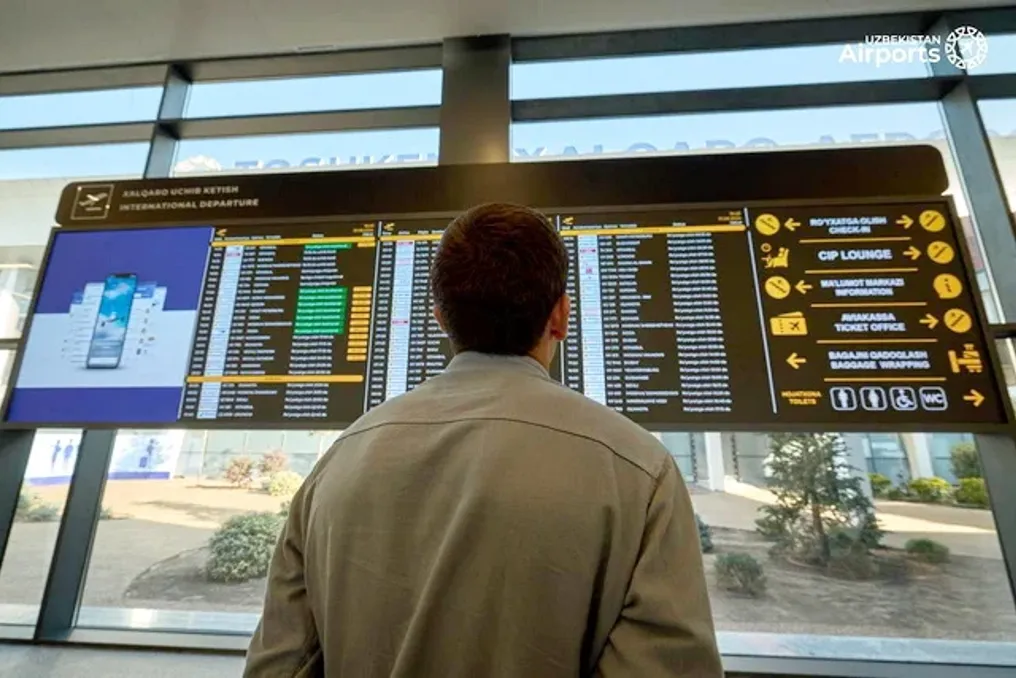
In the first half of 2026, Uzbekistan's airports demonstrated a 16% increase in passenger traffic. During this period, 64,831 flights were operated, which is an 8% increase compared to the same period last year. This information was provided by the press service of Uzbekistan Airports.
Of the total number of flights, 47,371 were directed to international destinations, and 17,460 were domestic. The total number of passengers served over six months reached 8,153,470 people, with international flights covering 6,698,358 passengers and domestic flights covering 1,455,112. Additionally, the volume of cargo and mail processed amounted to 51,546 tons, which is 33% more than in the first half of 2025.
Tashkent International Airport became the leader in transport volumes. It served 40,283 flights (an increase of 7%), accommodated 5,364,282 passengers (an increase of 17%), and handled 48,170 tons of cargo and mail (an increase of 33%). The company attributes this growth of the capital airport to the expansion of its route network.
Significant growth in passenger traffic was also observed at Termez (a 52% increase), Urgench (a 24% increase), and Nukus (a 23% increase). These positive trends are due to the opening of new international routes and an increase in domestic flights during the tourist season.
Some airports recorded a decrease in indicators. Specifically, Fergana airports saw 11% fewer flights, Namangan reported an 11% decrease in passenger traffic, Karsh experienced a 6% reduction in flights and a 22% decrease in passenger traffic, and Navoi saw a 27% decrease in passenger traffic. Uzbekistan Airports explained this change by the structure of the route network, adjustments in demand in certain directions, and the impact of the current geopolitical situation, which led to schedule revisions.
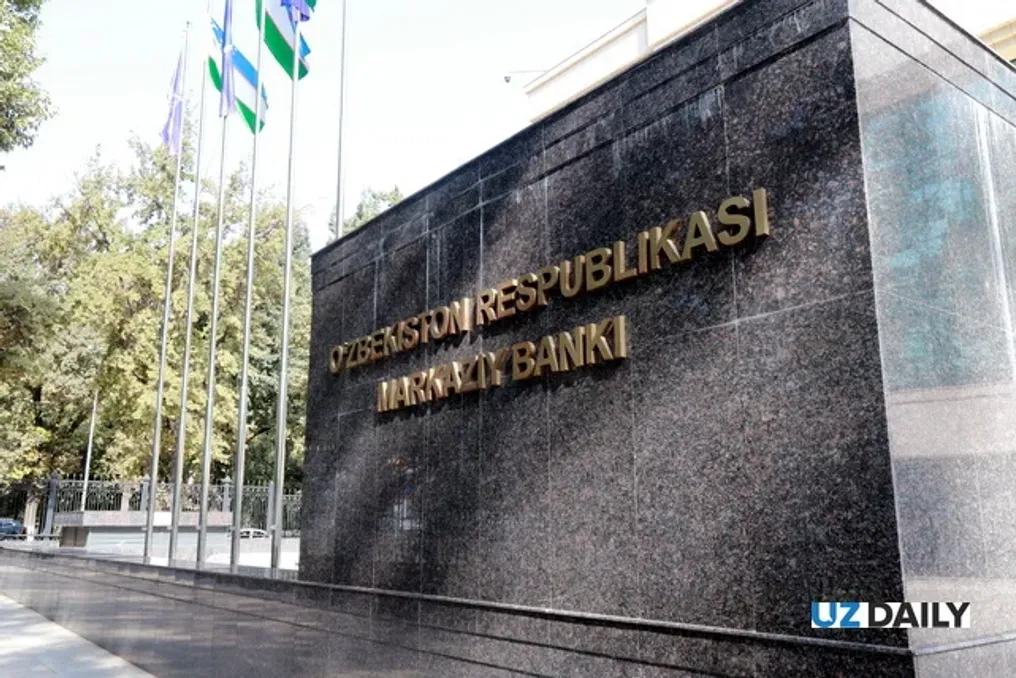
According to a review by the Central Bank of the domestic foreign currency market, international money transfers to Uzbekistan amounted to $9.3 billion USD for the period from January to June 2026.
This figure showed a 13% increase compared to the same period in 2025, when the inflow was $8.2 billion. Furthermore, it exceeded the level of the first half of 2024, which reached $6.5 billion, by 44%.
During the reporting period, outflows through international money transfers amounted to $1.3 billion USD. This volume remained virtually unchanged over the last three years, comparing to $1.25 billion in 2024 and $1.23 billion in 2025.
As a result of this data, the positive balance of cash flows reached $8 billion, an increase compared to $7 billion the previous year.
The Central Bank noted that the inflow of remittances has become one of the most important factors ensuring the stability of the domestic foreign currency market. Together with the increase in export revenues and the growth in foreign currency sales by households, these factors contributed to the supply of foreign currency growing faster than demand, helping to maintain the stability of the national currency.
As of the end of June, the exchange rate was 12,009 soms per one USD, which has not changed since the beginning of the year.