Zimbabwe has taken a significant step in the fight against wildlife crime by officially recognizing its rangers as frontline law enforcement officers.
Zimbabwe has taken a significant step in the fight against wildlife crime by officially recognizing its rangers as frontline law enforcement officers.
According to the Africa Travel and Tourism Association (ATTA), President Emmerson Mnangagwa recently signed an amendment to the Parks and Wildlife Act, which grants rangers expanded legal authority to protect the country's wildlife and natural heritage.
This move comes amid the ongoing threat of organized wildlife crime, which endangers some of Africa's most iconic species, as well as the tourism economy dependent on these species.
The new legislation introduces sections 96A and 96B, which formally define the purpose, duties, and powers of wildlife rangers. Under this law, rangers can now:
The goal of these measures is to enhance Zimbabwe's capacity to counter increasingly sophisticated poaching syndicates and other environmental crimes.
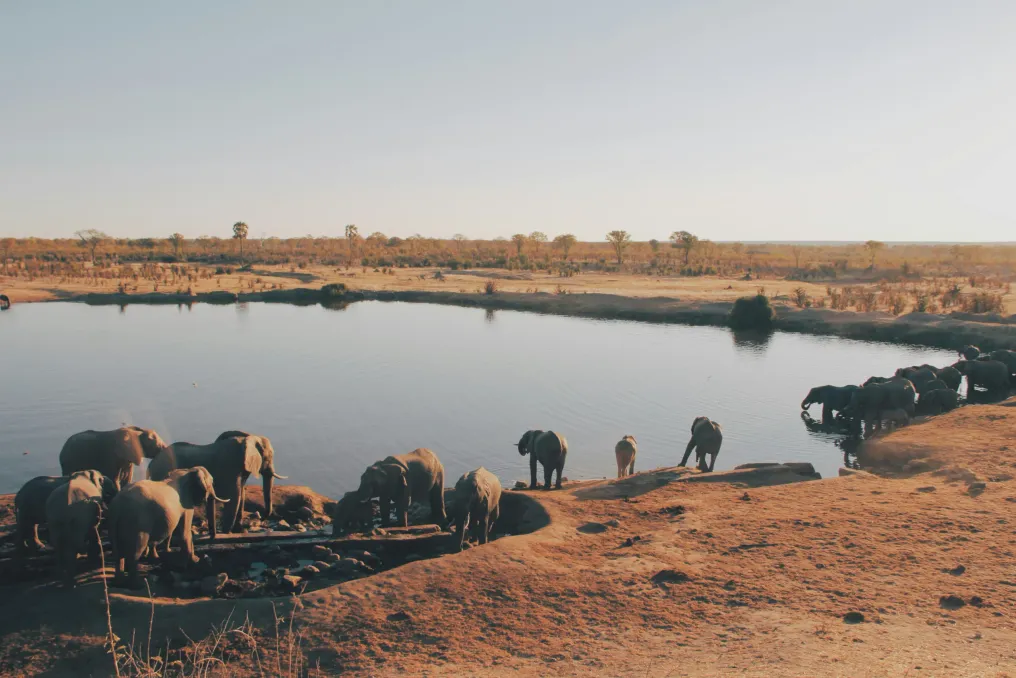
Zimbabwe is home to approximately 100,000 elephants, making it one of the countries with the second-largest elephant population in the world. Furthermore, it hosts the fourth-largest black rhino population globally, making conservation efforts particularly vital.
Wildlife crime remains a serious international issue, generating an estimated $7 to $23 billion annually through illegal trade and organized criminal networks. Due to its globally significant populations of elephants, rhinos, and other wildlife, Zimbabwe continues to be a target for poachers.
Wildlife tourism is one of Zimbabwe's main attractions, as destinations such as Hwange National Park and Mana Pools National Park draw visitors from around the world. The country has set an ambitious goal to build a $10 billion tourism economy by 2030, with conservation playing a central role in achieving this vision.
The Zimbabwe Parks and Wildlife Management Authority (ZimParks), which oversees many of the country's protected areas, continues to receive support from conservation organizations, including the International Fund for Animal Welfare and African Parks.
Mint brings freshness to beverages like lemonade and shikanji during the summer season, and it is also used to make chutney with coriander leaves. Often people buy bunches of mint from the market, but now there is no need to buy mint from the market daily.
This article explains how to grow a mint plant in a small pot at home, which does not require buying seeds or bringing a plant from a nursery. A new plant can be prepared from fresh mint stems bought from a vegetable market or grocery store, and after a little care, this plant will provide fresh mint for months.
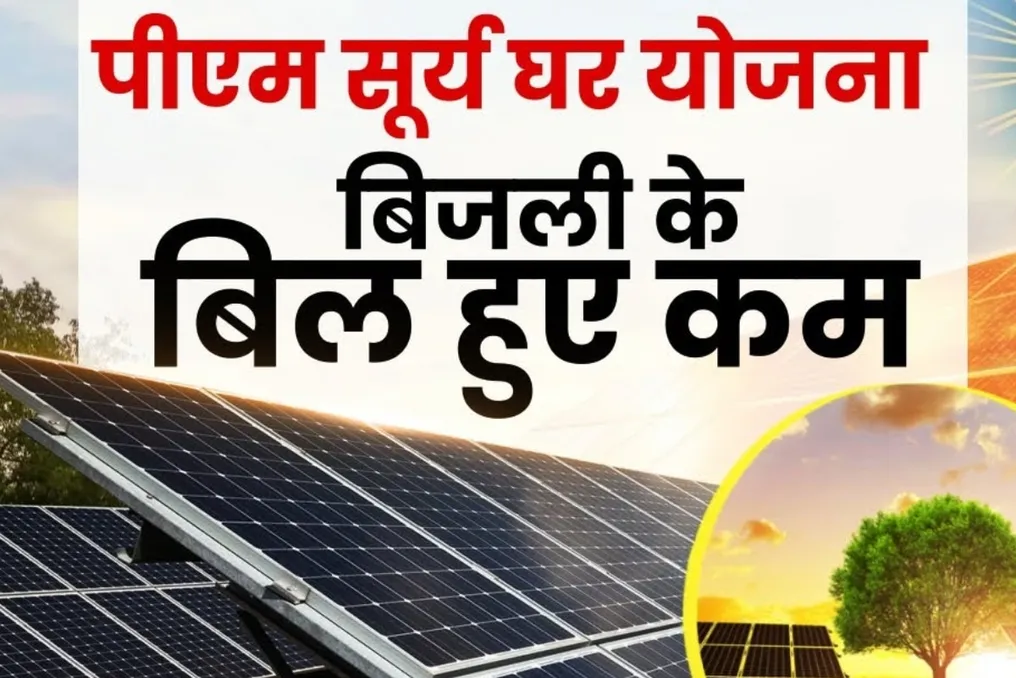
In conditions of intense heat and high humidity, people actively use air conditioners and refrigerators, which raises concerns about high electricity bills. However, residents who have installed solar panels on their roofs under the government's Prime Minister Solar Home Scheme (PM Surya Ghar Yojna Muft Bijli Yojna) enjoy coolness without bill stress, as they are provided with 300 units of free electricity.
The number of beneficiaries utilizing the PM Surya Ghar Muft Bijli Scheme is constantly growing, and this initiative has now reached an important milestone. According to the latest data, the program covers over 50.06 lakh homes, freeing them from billing worries. Thanks to these panels, concerns about electricity bills disappear for up to 25 years, as the lifespan of these panels is estimated at approximately 25 years.
Prime Minister Narendra Modi launched this free electricity program in February 2024, and in just over two years, it surpassed the mark of 5 million homes. The government has set a target to install solar panels on the roofs of 10 million homes. Today, PM Surya Ghar Yojna helps 100 thousand homes every six days, making it one of the fastest-growing clean energy programs globally.
The PM Surya Ghar Muft Bijli Yojana demonstrates significant growth compared to 7.94 lakh rooftop solar panel installations over the last ten years. Government expenditure on this scheme amounts to 75,021 crore rupees. The pace of solar panel installation in the last nine months has increased by 3.2 times. In October 2025, 5,038 installations were registered daily, whereas in July 2026, this figure reached about 16,328, marking the highest monthly figure since launch.
Only in July did the program assist 5.06 lakh families. Furthermore, in addition to 300 units of free electricity, the central government provides a substantial subsidy of up to 78,000 rupees for solar panel installation costs through Direct Benefit Transfer (DBT) directly to the beneficiaries' bank accounts. To date, subsidies amounting to 28,024 crore rupees have been disbursed under the scheme. Additionally, in the fiscal year 25, over 12 lakh families earned 421 crore rupees by selling surplus electricity. Each family that feeds energy back into the grid receives an additional annual income of about 3,500 rupees.
According to recent data, thanks to the PM Surya Ghar program, electricity bills for about 19 lakh families across the country have become zero, reducing their financial burden. This scheme has also created a large ecosystem for contractors and employment, with 34,219 registered contractors operating in the country, of whom 29,469 are active.
After receiving approval, applicants can install solar panels from a registered contractor of their Distribution Company (DISCOM). After installation, an application must be submitted for a net meter with installation details. Upon meter installation and verification by the DISCOM, a commissioning certificate will be issued. After this certificate is issued, the applicant will provide bank account details and a cancelled cheque via the portal, to which the subsidy will be credited.
Europe is experiencing summer with extreme heat and drought, accompanied by record temperatures, an increased risk of forest fires, and declining river levels in several countries.
In France, July was the hottest since national records began in 1900; the average temperature for the month was 24.9 degrees Celsius, according to Meteo-France data. Rainfall across the country was nearly 70% below the average seasonal figure, making July 2026 the third driest July in history.
Persistent heat, drought, and windy conditions maintained a high or very high risk of forest fires. In the Gironde department in the southwest, a forest fire swept over about 42,000 hectares, forcing the evacuation of over 220,000 people.
In Austria, a national temperature record of 41 degrees Celsius was set on Tuesday amid the ongoing heatwave. This record was recorded in the Stammersdorf region of Vienna, according to Austrian state broadcaster ORF.
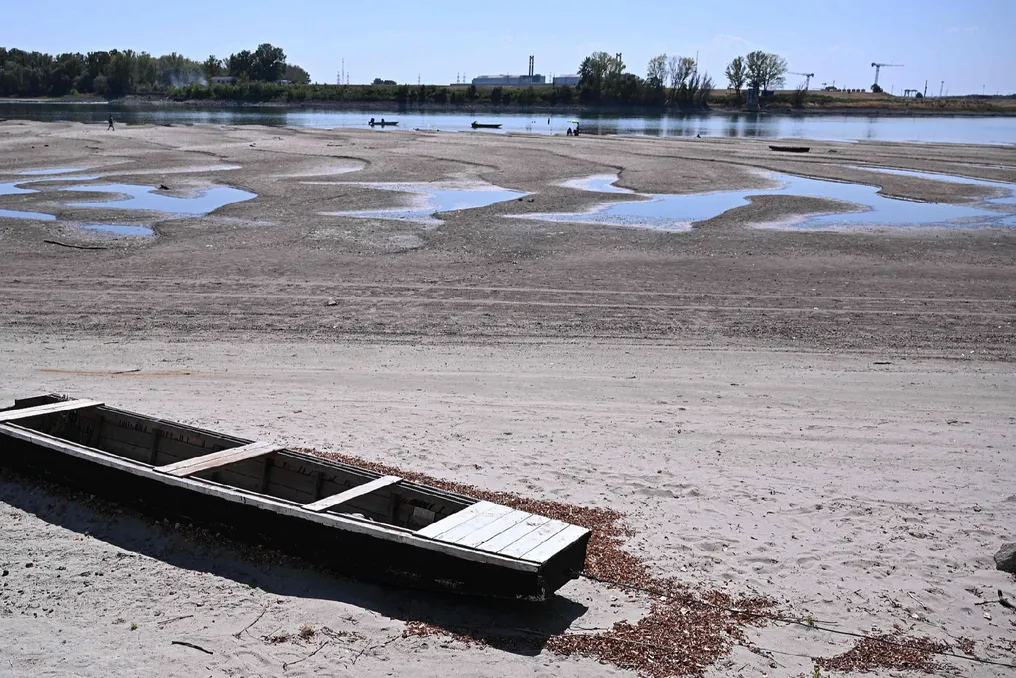
A forest fire is also raging in Burgenland, and the Lobau catchment area in Vienna is under the highest fire danger level. Meanwhile, the water level in the Danube has dropped to historically low levels, comparable to major low-water years in 2003 and 2018.
Neighboring Hungary extended the severe heat warning until midnight Friday, as forecasts indicate the heatwave will continue. Authorities cautioned the population against the effects of prolonged high temperatures and urged them to take necessary precautions.
The heatwave intensified the drought, lowered the water levels in major rivers, and increased the threat of forest fires, resulting in firefighters responding to approximately 100 open fires daily.
Italy also faced its fourth major heatwave this summer, with temperatures exceeding 40 degrees Celsius in some areas. The Ministry of Health declared the highest level of heat warning for 25 out of 27 monitored cities in the country, including Rome, Milan, Florence, Bologna, Venice, Naples, and Palermo.
Hot and dry conditions increased the risk of forest fires and put pressure on agriculture; farmers reported reduced yields and increased irrigation needs.
Low river levels and rising water temperatures also affected the operation of nuclear power plants in various parts of Europe. The Pax NPP in Hungary, which supplies almost half of the country's electricity, remained operational, but its functioning depended on the condition of the river and the performance of the cooling system.
The Chornobyl NPP in Romania shut down both reactors after low water levels in the Danube affected its operation. Some nuclear facilities in France and Switzerland also experienced operational disruptions because the high water temperature in the rivers impacted the ability of the cooling system to function effectively.
The combination of extreme heat, drought, and reduced water availability places a strain on public health, agricultural, wildfire prevention, and energy systems in the affected regions.
Fresh mint grown at home can be used in many ways.