The modern consumer increasingly blurs the lines between beauty, health, and self-confidence. Skincare products, dental care items, supplements, spa treatments, or whitening strips may appear as separate categories in a store, but for many, they are now integrated into a single daily logic: caring for oneself before problems arise, investing in appearance as part of well-being, and choosing products that make routine more meaningful.
Similar stories
Popular
This shift is particularly noticeable in the United Arab Emirates (UAE). According to the Global Wellness Institute's 2025 report, the country's wellness economy is valued at $40.8 billion, making the UAE one of the most dynamic markets in the region. Concurrently, the oral care market in the UAE reached 727 million dirhams in 2025, showing a 5% year-on-year growth. These figures indicate that the concept of wellness extends beyond hotels, spas, fitness clubs, or luxury resorts, penetrating bathrooms, bags, pharmacies, e-commerce carts, and daily habits.
Wellness permeates everyday life
A new generation of Russian consumer brands is finding its place precisely here. They are entering this market not only with individual products but also with a broader understanding of self-help: regular, practical, scientifically based, and focused on long-term results. Under the national brand "Made in Russia," Russian companies offer products that combine manufacturing experience, research-based formulas, accessible daily care, and a growing emphasis on preventive wellness.
This is significant because consumer culture itself is transforming. For buyers in the Gulf countries, trust is as important as product visibility. In a market saturated with international brands, the origin of the product, confirmed quality, and clear expertise help turn a purchase into a sustainable daily habit.
Oral care as preventive wellness
Oral care is one of the clearest examples of this trend. A beautiful smile is now viewed as part of confidence, appearance, and personal style, while daily dental hygiene increasingly links aesthetics with preventive health. The Russian company Global Dent operates in this area. The company develops oral hygiene, teeth whitening, and cosmetic care products through several brands, including GLOBAL WHITE, WATERDENT, and Lactosterine, offering a comprehensive care system.
The GLOBAL WHITE brand focuses on the culture of at-home teeth whitening. This category reflects a broader consumer trend: people want to see results but also value convenience and control over the process. At-home whitening products can become part of a regular beauty ritual rather than a one-time procedure. The line includes toothpastes, toothbrushes, whitening strips, gels, remineralizing agents, foams, rinses, dental floss, and sprays, providing a complete approach to maintaining a bright smile at home.
WATERDENT, in turn, focuses on professional daily care. Its main objective is prevention: supporting gum and tooth health, helping maintain the natural balance of the oral cavity, and encouraging a more attentive approach to daily hygiene. This is critical for the modern consumer, as prevention is becoming one of the central tenets of self-help. The goal is not only to eliminate existing problems but also to form habits that reduce risks and support long-term comfort.
However, true prevention goes beyond simply forming good habits; it also requires an understanding of the oral biological environment. Here, the focus shifts to the oral microbiome. Consumers worldwide are already familiar with the importance of microbial balance—whether in skincare, digestion, or immunity—and this knowledge is now extending to oral health. Global Dent's Lactosterine brand develops this direction using patented OptiBiome technology aimed at supporting microbiome balance and normalizing saliva production. This brings oral care closer to the language of preventive wellness, where the product addresses not just freshness or appearance, but also the body's protective functions.
For the UAE market, this approach aligns with the overall picture. Health here is not just a premium experience; it is becoming part of daily consumer behavior. Residents are accustomed to international choices, digital purchases, pharmacy recommendations, beauty rituals, aesthetic services, and preventive health solutions. In such an environment, oral care naturally integrates into the overall wellness program: alongside skincare, hair care, supplements, fitness, and nutrition.
Global Dent is not the only example. It represents part of a wider wave of Russian brands in the field of wellness and personal hygiene aiming to enter international markets. Librederm specializes in science-oriented skincare; Geltek operates at the intersection of cosmetology and professional care; Reseda reflects the trend toward gentle, conscious, and daily self-care. Together, these brands demonstrate that Russian wellness is developing in several directions: from smile aesthetics to skincare, from professional formulas to daily prevention.
What unites these companies is not just the diversity of their products. It is a shared desire to respond to a new consumption culture where beauty is no longer separated from health, and health is not separated from lifestyle. Consumers are looking for products that can be used regularly, that are clearly explained, and in which they can trust over the long term. This is why certification, origin, and export readiness are becoming an important part of the story.
The national brand "Made in Russia" helps companies convey quality and trust to international markets. In the highly competitive Gulf region and the UAE, the "Made in Russia" certification serves as a key starting point for partners and consumers, signaling confirmed origin, product quality, and proven export readiness.
The Gulf as a strategic market for "Made in Russia"
For Russian wellness brands, the UAE offers not only consumer demand but also a logistical base, retail trade, e-commerce, and access to the wider market of the Gulf Cooperation Council (GCC) countries. For Global Dent, the Gulf is a logical next step. The company already has five years of export experience and supplies products to several countries, including Qatar, Saudi Arabia, Iraq, Syria, and CIS countries. Next year, it plans to expand its presence in the MENA and Southeast Asian markets and open a warehouse zone in the UAE. This lays the foundation not only for sales but also for a more stable regional presence and long-term partnership within the GCC.
The broader conclusion is evident: wellness is becoming the everyday language of modern life. From skincare to oral care, from microbiome balance to at-home whitening, consumers are seeking products that combine visible results, preventive value, and trust. In the long term, the GCC is poised to become not just a profitable consumer market but a strategic wellness hub that sets standards for the entire MENA region. For Russian companies, this opens up the opportunity to demonstrate that "Made in Russia" signifies technological innovation, certified quality, and a modern understanding of self-help, which will help shape the future of the Gulf's wellness economy.
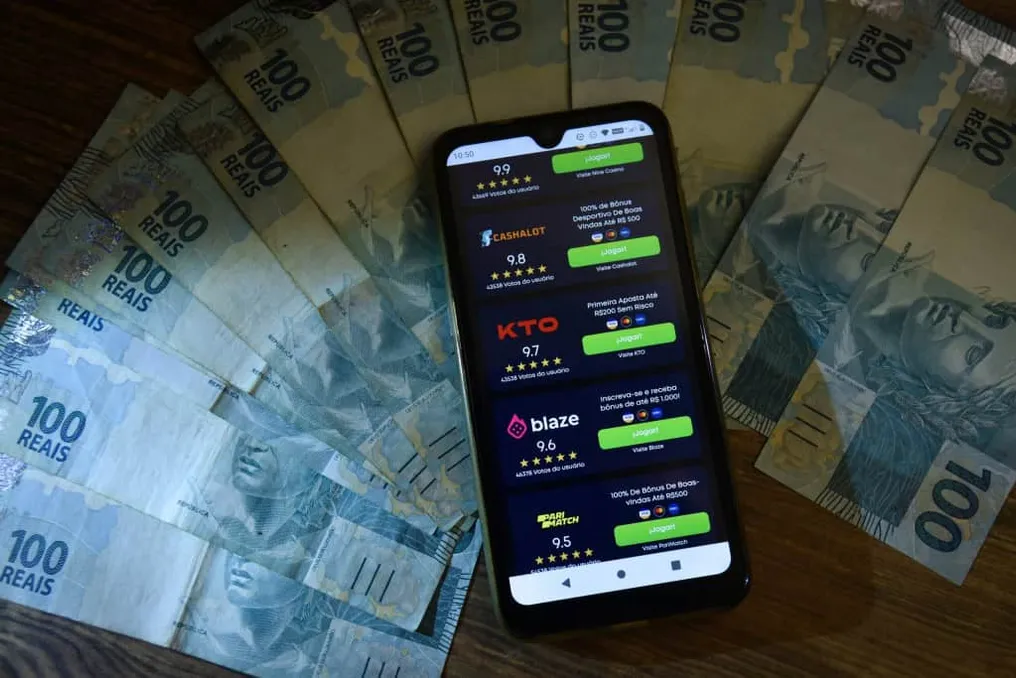
The Unified Health System (SUS) has expanded its telehealth capacity to a total of 100,000 cases designated for individuals dealing with difficulties related to online betting. This expansion occurred due to the growing volume of requests for mental health support services, as reported by Agência Brasil.
Through the Meu SUS Digital application, this initiative provides remote professional guidance and monitoring, ensuring confidentiality and a welcoming environment. The service began in March, initially registering an average of 600 monthly consultations. Due to high demand, the Ministry of Health increased the tool's capacity, which serves as an entry point to the Psychosocial Care Network (Raps).
The offering of this service is carried out in collaboration with the Ministry of Finance and the Brazilian Agency for SUS Management Support (AgSUS). Self-exclusion data also highlight the need for assistance: the Ministry of Health reported that over one million people requested the removal of their CPF from betting websites and applications through the Centralized Self-Exclusion Platform. Of this group, 35% cited loss of control over betting as the reason for the request.
What signs indicate it is time to seek help?
Several behaviors signal the need to seek assistance. Among them are the inability to reduce or stop gambling, changes in sleep, eating, or mood patterns, and the habit of lying to family and friends about betting. Other alerts include feelings of anxiety, irritability, or agitation when away from gambling, as well as financial damage in personal or family life.
Warning signs also encompass feelings of shame, guilt, deterioration in relationships, and using betting as a mechanism to manage stress or frustrations.
Easy access may increase risks
The Ministry of Health points out that several factors increase individuals' vulnerability. These include early exposure to gambling, easy accessibility to platforms, impulsivity, social isolation, and a previous history of depression or anxiety. Additionally, social influences that positively promote betting and encourage gambling as an escape from emotional problems also contribute to this risk.
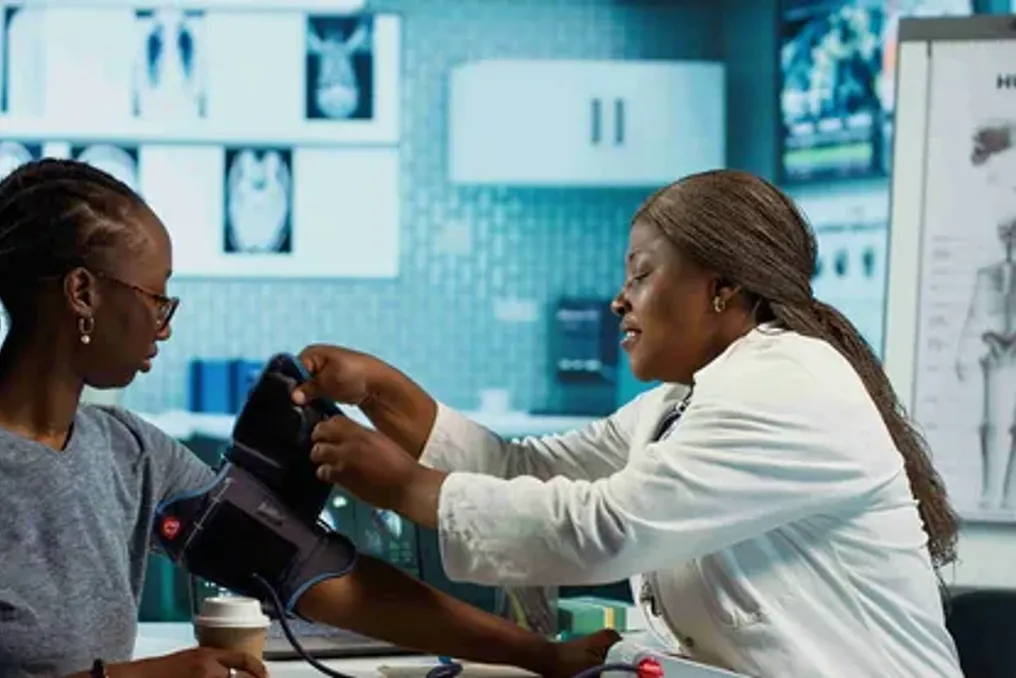
Women often prioritize the needs of their families and society over their own health requirements, leading them to skip or ignore necessary medical examinations. The reasons for this can range from busy schedules and financial difficulties to underestimating risks. Every year, thousands of women miss the opportunity to undergo critically important screenings.
Despite fulfilling numerous roles in family and community, women's own health can be sidelined. Busy schedules, financial pressure, and misconceptions about risks contribute to alarming statistics, as many women neglect essential checkups.
Murray Howell, CEO of Affinity Health, emphasizes the vital necessity of regular medical checkups, urging that 'women's health matters.' He noted that the earlier potential issues are detected, the better the outcome, and preventive care can save lives.
There are five key medical examinations that every woman should schedule:
Pap smear and HPV testing: Cervical cancer, one of the most preventable types of cancer, continues to cause deaths in South Africa. Regular checks are necessary for early detection. According to international guidelines, women aged 25 to 65 should be tested for HPV every five years. If HPV testing is unavailable, co-testing Pap and HPV every five years or only a Pap smear every three years can be used. These procedures help detect abnormal cell changes before they develop into cancer.
Breast examination and mammography: Despite common misconceptions, breast cancer affects not only women over 50. Women are advised to perform regular self-examinations, but clinical breast exams and mammography are vital for timely detection of abnormalities. Women over 40, especially those with a family history of breast cancer, should discuss starting mammography with their primary care physician immediately.
Blood pressure, cholesterol, and glucose tests: Cardiovascular diseases are often mistakenly considered a condition that primarily affects men, although they pose a significant risk to women as well. Cardiovascular diseases are the leading cause of death among women worldwide. Symptoms associated with high blood pressure, cholesterol, and blood sugar levels can go unnoticed until a crisis occurs. Regular checkups are especially important for women over 35 or those with a hereditary predisposition to diabetes or heart problems.
Reproductive and hormonal health: Symptoms such as painful menstruation, mood swings, weight changes, or infertility may indicate hormonal imbalance or conditions like PCOS or endometriosis. Consulting a general practitioner for a check can help determine if further investigation is needed. Understanding hormonal health is critical for effectively managing perimenopause and menopause symptoms.
Mental health screening: Statistically, women suffer from depression and anxiety more often than men. Stigma and societal expectations often prevent open discussion of mental health issues. During Women's Month, it is crucial to integrate mental well-being into routine medical checkups. Signs such as feelings of low mood, irritability, or constant fatigue should not be ignored; help should be sought when necessary.