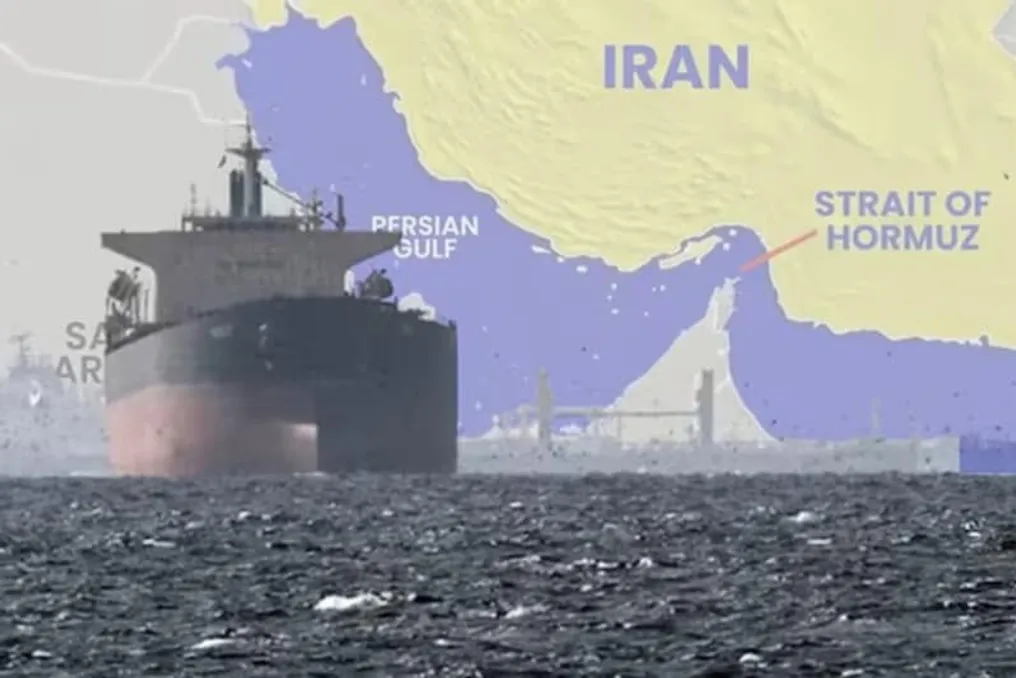
An agreement has been reached between Iran and Oman regarding the Strait of Hormuz. If the process is successfully completed, this vital and strategically significant waterway, which was halted due to the conflict between the US and Iran, may soon resume. Previously, commercial vessels used this route without any transit fees or permits from any single country, but the situation may change in the future.
According to reports from Reuters, Iranian officials and regional sources confirm that under the proposed scheme, ships entering the Persian Gulf via the Strait of Hormuz will be under Iranian control.
Ismail Baghai, a representative of the Iranian Ministry of Foreign Affairs, stated that Tehran and Muscat have agreed on the geographical coordinates of a new shipping route through the strait. According to him, both countries are currently finalizing a joint statement that highlights the main provisions of this agreement.
Kazem Garibabadi, Deputy Foreign Minister of Iran, reported that negotiations have reached the stage of 'fundamental agreements' and that the process is on the verge of completion. Iran also specified that the proposed system is designed so that commercial vessels pass through Iranian waters both upon entry and exit.
Currently, vessels entering or leaving the gulf use internationally recognized shipping lanes without obtaining permits from Iran or Oman. However, the proposed scheme may require substantial changes to the system. According to Reuters, ships entering the gulf will pass through maritime areas under Iranian control, giving Tehran the right to monitor maritime traffic in the gulf. Nevertheless, it remains an open question whether Iran will apply the same level of control to vessels leaving the gulf.
Kazem Garibabadi, Iran's Deputy Foreign Minister for Legal and International Affairs, noted that Tehran and Muscat are working on a 'new model' for managing shipping in the Strait of Hormuz. Under the presumed system, most of the agreed route will pass through Iranian waters, and a smaller part through Omani waters. Existing temporary shipping lines, including the northern route near the island of Larak in Iran and the southern route through Omani waters, will be gradually abolished and replaced by a new corridor.
He added that the new route will initially be operational for two to four months, although its extension may depend on further developments.
The Strait of Hormuz is often called one of the world's most critical 'chokepoints' for oil supplies, with about one-fifth of global oil shipments passing through it. Any country that can exert greater influence over shipping here will gain a significant strategic advantage in the global energy market. Experts believe that if Iran gains the right to control vessels entering and exiting the strait, it will be one of Tehran's largest diplomatic and strategic victories in recent years, leading to serious changes in the balance of power in the region.
The issue of who will conduct inspections has not yet been decided. Regional authorities told Reuters that the gulf countries wish for inspections to be carried out not only by Iran but also as part of regional monitoring. The parties are also discussing whether a fee or charge should be levied for passage along this route. Iran demands a transit fee of 5–7 percent of the cargo value, while Oman is negotiating a significantly lower rate—around 3 percent. Meanwhile, the US insists that vessels continue to use the strait without paying any transit fees.
Some disagreements persist. One source in Iran noted that 'the real sticking point lies in the details,' and that a tweet from Trump could ruin everything. Iranian officials also emphasized that the opening of the strait depends on Washington fully fulfilling its obligations under the Memorandum of Understanding (MoU) signed in June.