Work is underway in the Buvaidag district of the Fergana region to modernize power grids to ensure their stable operation. Transformer substations are undergoing major repairs, categorized into green, yellow, and red categories.
Work is underway in the Buvaidag district of the Fergana region to modernize power grids to ensure their stable operation. Transformer substations are undergoing major repairs, categorized into green, yellow, and red categories.
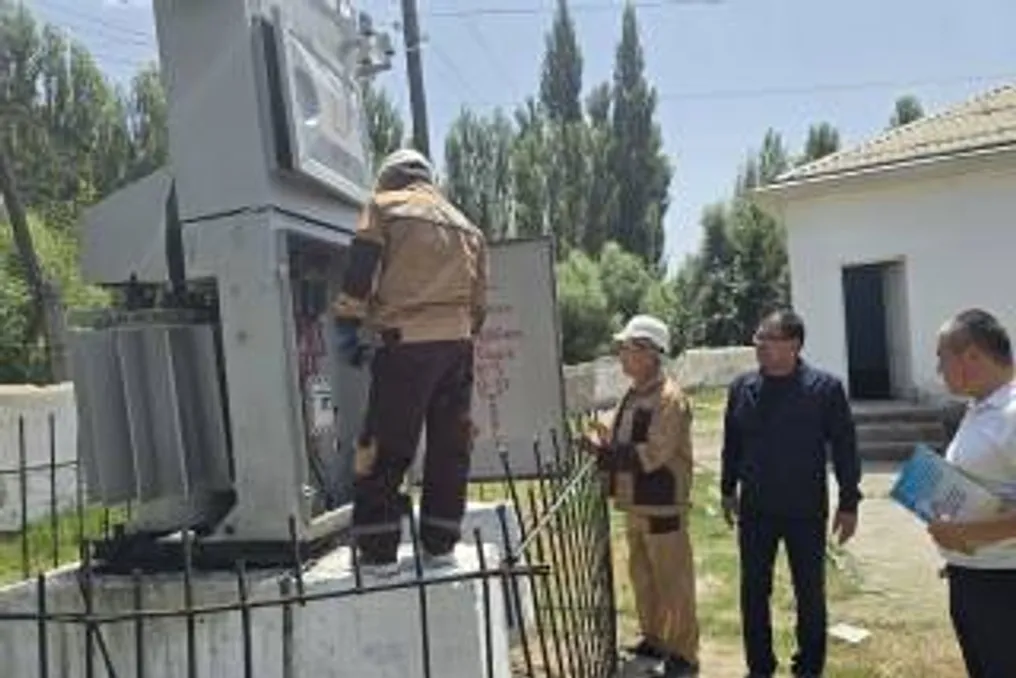
The head of the Buvaidag district, Behzodjon Ibragimov, inspected the repair and preparation works for facilities classified as red category, including transformer substations in the Ingirchoq settlement with capacities of 419-160 kVA and 895-160 kVA.
During the inspections, issues regarding ensuring uninterrupted and high-quality energy supply to the population, preventing accidents during the autumn-winter period, were discussed, and instructions were given to responsible persons to eliminate identified shortcomings as soon as possible.
Behzodjon Ibragimov held a meeting with representatives of the Chinese company Xinjiang Xinfianjie Technology Co., Ltd. At this meeting, projects for implementing solar power plants, modern solar panels, green energy technologies, and electricity generation in the district were reviewed.
The parties discussed issues of effective use of renewable energy sources, attracting advanced technologies to the region, and prospects for further cooperation. This meeting marked an important step towards the widespread implementation of green economy principles and the development of investment partnership in the Buvaidag district.
It is expected that Chinese specialists will build an enterprise for electricity production and maintenance in Buvaidag based on investments in the near future.
Preventing workplace accidents is of enormous strategic importance not only in terms of protecting people's lives and health but also for increasing economic stability and labor productivity. Every incident entails consequences for a person's health, the fate of families, and the enterprise's liability.
According to data from the International Labour Organization, approximately 2.3 million workers die annually worldwide as a result of industrial accidents and occupational diseases, and another nearly 340 million are injured. These figures clearly demonstrate the urgent need for effective legal mechanisms in the field of labor protection.
Unfortunately, most incidents are not random but arise from non-compliance with labor protection requirements. This raises the question: what are the main factors leading to accidents, and what causes are most frequent?
According to the State Labor Inspectorate of the Ministry of Employment and Poverty, several factors lead to a high risk of accidents: untimely employee training and lack of briefings, disorganized mandatory medical examinations, and insufficient provision of personal protective equipment or control over its use.
Furthermore, the inability to assess risks on workplaces in advance, the use of faulty equipment, and violations of working and rest time norms have negative consequences. One of the most critical factors is inadequate industrial supervision.
It must be understood that preventing an accident is much easier and more effective than rectifying one that has already occurred. The life and health of the worker must always take priority over any production results.
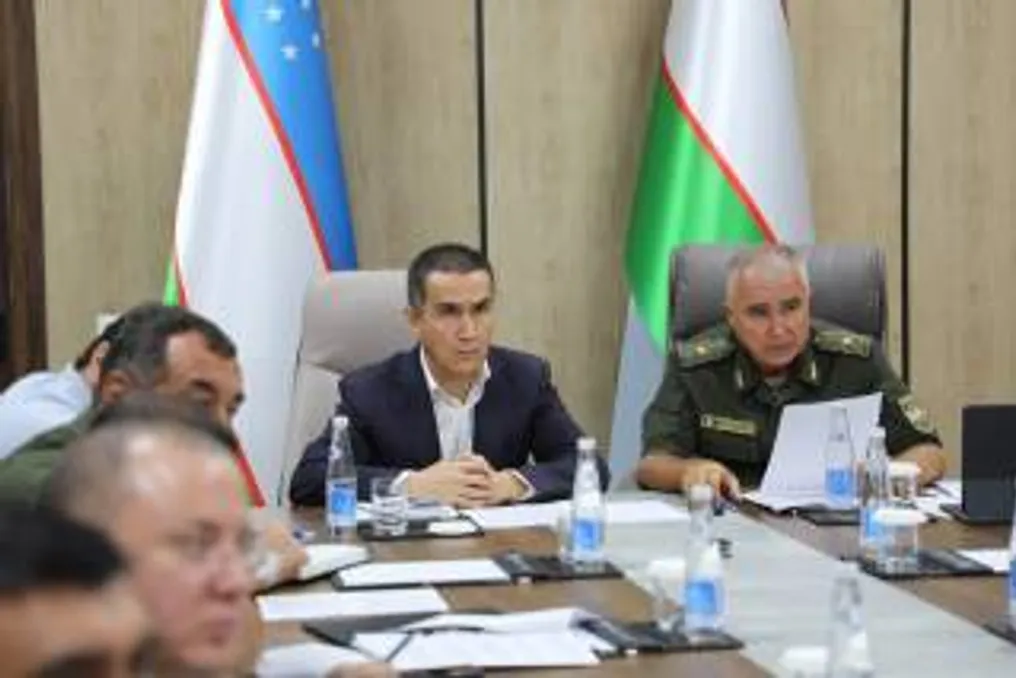
During a video selector meeting chaired by the head of state, tasks were defined to ensure the fulfillment of assignments. In a subsequent critical meeting, chaired by the Minister of Energy Sherzod Khojaev and Deputy Prosecutor General Salom Samadov, issues regarding the implementation of the 'Tumanbay' and 'Mahallabay' systems using the Yangiyul district as an example, as well as the systemic elimination of problems with electricity and gas supply locally and strengthening control and executive discipline in this area, were discussed.
Heads of 15 special headquarters created to improve electricity and gas supply across the republic, as well as responsible employees of relevant organizations, took part in the event. During discussions, clear tasks were set for a deep study of the technical condition of electricity and gas networks in model districts, comprehensive analysis of existing problems with the participation of qualified engineers and supervisory bodies, as well as for eliminating identified shortcomings in the shortest possible time.
Furthermore, corresponding instructions were given regarding the adoption of strict measures against officials who fail to perform their duties, reducing losses of electricity and natural gas, as well as taking a decisive stance on cases of illegal use of energy resources and applying measures in accordance with legislation in case of violations.
As stated in the Ministry's information agency, this strategy is aimed at timely identification and prompt elimination of local problems, ensuring the stability of electricity and gas supply, and further increasing systemic efficiency.
The country is implementing systematic reforms aimed at ensuring transparency in foreign economic activities, protecting state economic interests, and fully collecting customs payments. Special attention is paid to enhanced customs control at state borders, which allows for thorough verification of the legality of each cargo batch and the accuracy of accompanying documentation.
This strengthens the prevention of economic offenses and the timely suppression of illegal actions by participants in foreign trade. Thanks to such prompt and effective control measures, a recent attempt at a violation was uncovered at the 'Olot' customs post in the Bukhara region.
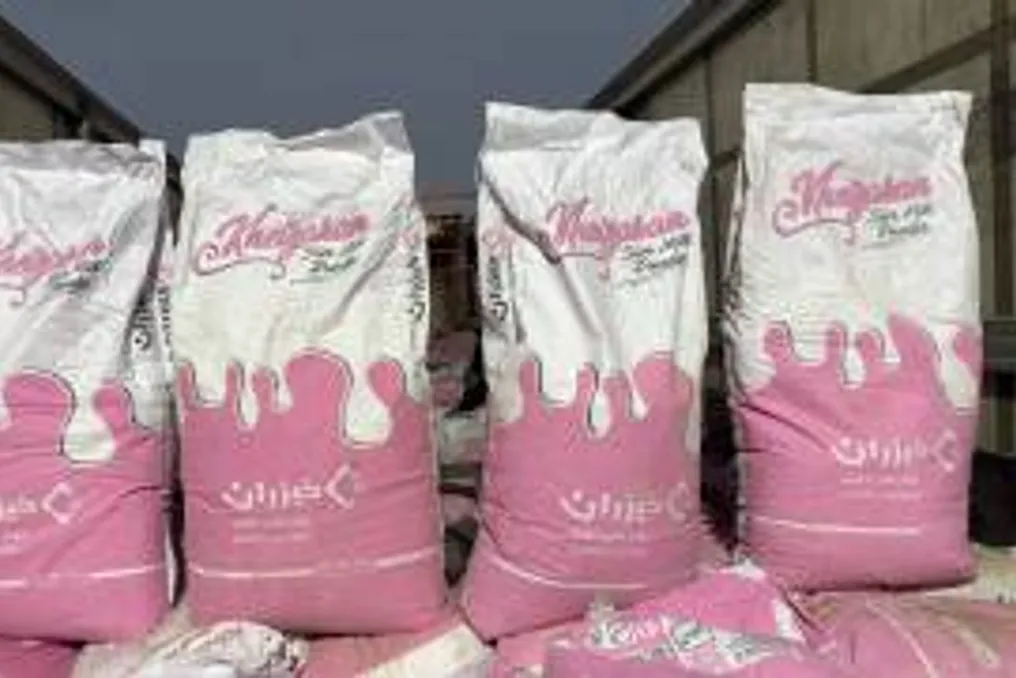
According to available information, the accompanying documents for the imported goods indicated that they were powdered dry milk. However, customs inspectors suspected something was amiss regarding the actual composition of the cargo and conducted an inspection according to established procedures.
During the thorough inspection, it was established that the information provided in the documents was not accurate. The inspection revealed that the cargo actually consisted of 25 tons of dry milk. Thus, an attempt to reduce customs payments by changing the product name and evading the payment of funds due to the state budget was prevented.
This is another practical proof that customs authorities effectively use risk analysis methods, in-depth document study, and modern control tools. The total value of this batch of goods corresponds to initial estimates of 875 million soums. Investigative measures are currently underway in this case, and appropriate measures will be taken in accordance with established legal norms.
Today, the main task of customs authorities is not only to process goods but also to ensure economic security, protect state interests, and create equal competitive conditions for honest entrepreneurs. Therefore, any identified violation is considered an important result in strengthening economic order and protecting the interests of the state budget.
This case, discovered at the 'Olot' customs post, once again confirmed the high responsibility and professionalism of customs service employees, allowing a major economic offense to be prevented. Effective control measures at state borders continue to play an important role in ensuring the country's economic security, strengthening the rule of law, and guaranteeing the legality and transparency of every foreign trade operation.