In recent years, the country has been conducting large-scale work aimed at improving public health protection and enhancing the quality of treatment and prevention of cardiovascular diseases, which are the main cause of premature mortality. Special attention is paid to the early detection and fight against familial hypercholesterolemia (FH), which was designated by the World Cardiology Fund in its 2022 Cholesterol Combat Roadmap as one of the most serious global problems.
Familial hypercholesterolemia is a genetic disease inherited from parents to offspring. In people suffering from this disease, the level of 'bad' cholesterol (low-density lipoproteins) is initially elevated. This differs from ordinary cholesterol elevation caused by poor nutrition or lifestyle; it is an innate genetic defect in the body's cholesterol cleansing system. The main danger is that persistently high blood cholesterol levels lead to deposition on the walls of blood vessels, causing them to narrow and become blocked, which can lead to serious risks such as ischemic heart disease, myocardial infarction, or stroke, even at a young age.
Since the disease often progresses silently, it cannot be fully diagnosed with a simple blood test. Modern genetic tests are required for early risk detection, after which patients are prescribed special therapies, medications, and medical monitoring to prevent complications.
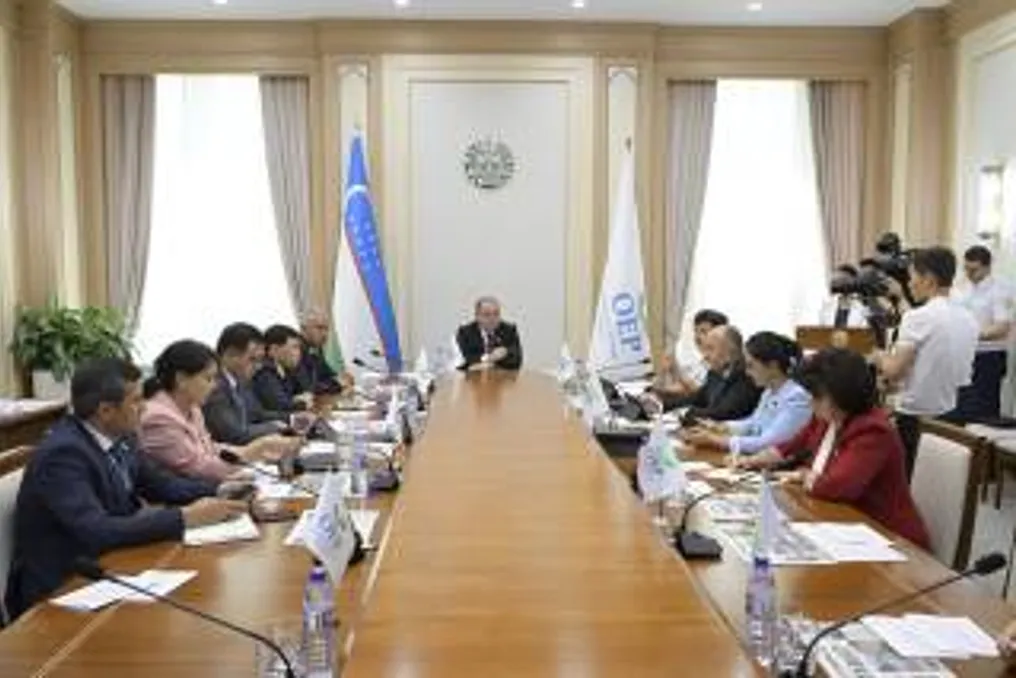
Raano Aliyeva, senior researcher at the Laboratory of the Republican Specialized Center of Cardiology and Secretary of the Association of Cardiologists of Uzbekistan, shared her opinion regarding scientific solutions, the latest research results, and practical measures for this problem. She noted that given the high rate of cardiovascular diseases in the country and their link to atherosclerosis, immediate action is necessary. Specifically, FH is an innate monogenic disease that patients are often unaware of.
She provided examples of the scale of the problem: if we take the average prevalence of heterozygous FH in Europe (1 case per 200 people), then among the population of Uzbekistan, which numbers 38 million people, there may be about 190 thousand citizens. According to data, myocardial infarctions in the age group of 25–55 account for 20% of cases and can lead to severe consequences, including sudden death.
This is why, within the framework of a scientific grant from the Ministry of Higher Education, Science and Innovation of the Republic of Uzbekistan, titled 'Development of protocols for the diagnosis and treatment of primary dyslipidemia,' work has begun to assess the entire spectrum of FH genetic variants using advanced technology—next-generation sequencing (NGS). This three-year project includes three stages of sequencing. It was conducted for the first time on patients with ischemic heart disease, whereas previously genetic studies were only conducted to identify hereditary diseases in children.
A positive aspect is that in the first stage of the project in 2025, 10 pathogenic genetic variants and 21 variants of uncertain significance were identified among patients with ischemic heart disease and FH. These unique results allow for cascade screening in families. This, in turn, contributes to effective primary prevention of cardiovascular diseases by early detection of the disease in close relatives, including young children.
This study marks the first step not only in Uzbekistan but also in the Central Asian region in mapping the spectrum of FH genetic variants. It contributes to global efforts to comprehensively study the genetic diversity of familial hypercholesterolemia and develop advanced diagnostic and treatment methods.
The results of this scientific study have been highly praised by the international scientific community and were published in the authoritative journal PLOS One. For systemic problem-solving and implementation of best practices, the Republican Specialized Center of Cardiology collaborates with the Association of Cardiologists of Uzbekistan in several prestigious international projects. In particular, they participate in initiatives of the European Atherosclerosis Society, such as 'FHSC' (Global Initiative), 'ScreenProFH' (Eastern Europe Screening Project), 'HICC' (International Collaboration on Homozygous FH), as well as in the 'Lipid Clinic Network' projects of the European Atherosclerosis Society, starting from 2025.
Furthermore, joint activities with the Sanitary and Epidemiological Committee and other industry organizations are being carried out to promote a healthy lifestyle among the population and timely identification of risk groups. These efforts contribute to elevating our medicine to a global level and reliably protecting the health of citizens.