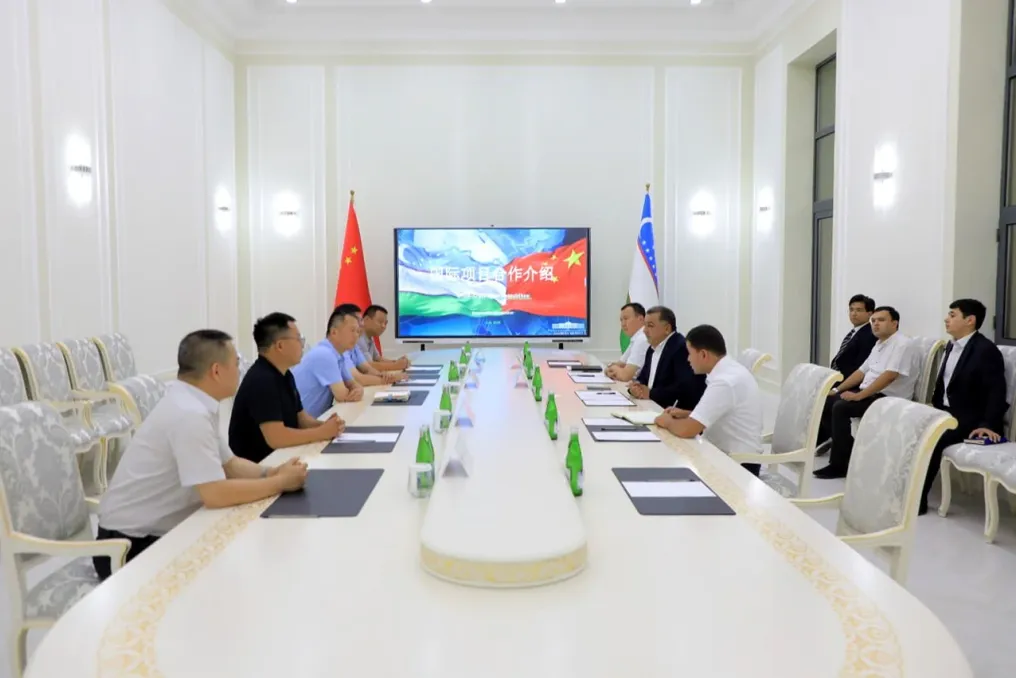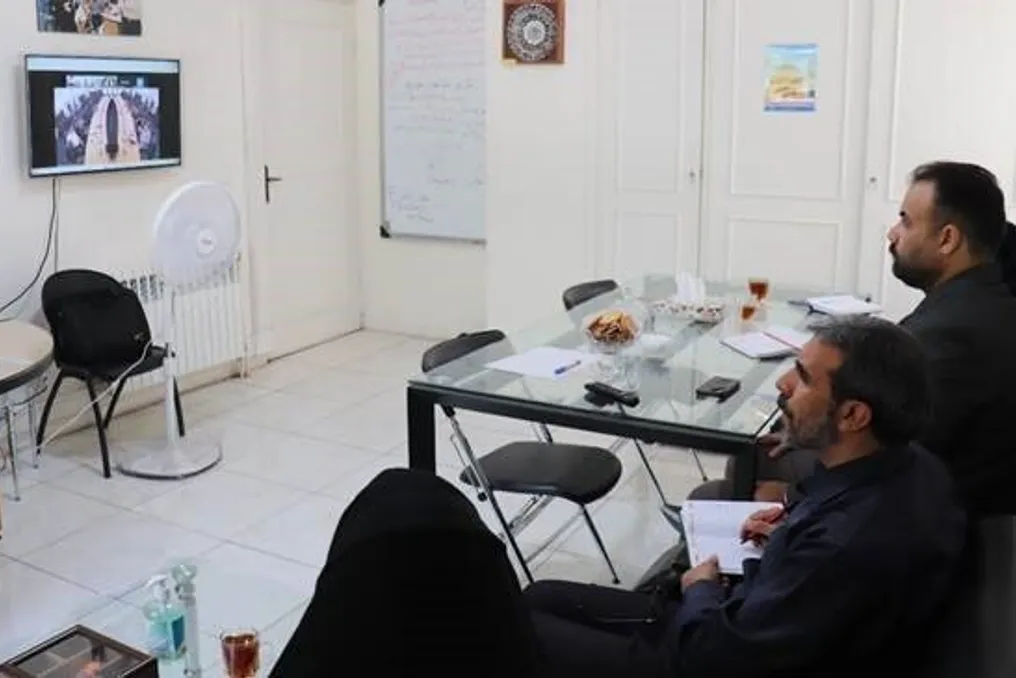
The Royan Institute and the National Biotechnology Center of Kazakhstan (NCB) explored opportunities to expand their joint activities, reaching an agreement to strengthen educational, research, and technological interaction, as well as to implement joint projects.
According to IRNA, representatives from both sides held an online meeting on Monday, which was attended by the Iranian Ambassador to Kazakhstan, Ali-Akbar Jokar. During this meeting, Jokar emphasized the importance of developing scientific diplomacy between the two countries and detailed the potential for strategic partnership in the fields of science, education, and technology.
Directors of the Royan Institute presented information about the Institute's structure, achievements, and missions, and also reviewed the Institute's international scientific cooperation with countries such as Malaysia, Pakistan, Afghanistan, Azerbaijan, Syria, and Northern Cyprus. Furthermore, they highlighted the benefits of participating in the West Asia and North Africa Science Network (WANA) as a platform for strengthening regional cooperation and establishing scientific ties between organizations.
The Royan Institute proposed starting cooperation by holding a joint scientific webinar, which was approved by the other party. For its part, Kazakh officials provided information about the structure of the NCB and its research priorities, announcing the center's readiness to develop joint research projects. The NCB plans to submit proposals for developing cooperation with the Royan Institute to the Iranian embassy in Kazakhstan.
Another part of the material mentions that in June, Minister of Science, Research and Technology Hossein Simai-Sarraf put forward three proposals to activate academic, research, and technological cooperation between universities of Shanghai Cooperation Organisation (SCO) member states.
Simai-Sarraf stated that universities are custodians of shaping the future of societies and face challenges such as updating curricula, practical application of research projects, and increasing the usefulness of dissertations for society. He noted that the SCO can serve as a platform for enhancing the academic capabilities of member states through an executive and problem-oriented network.
These remarks were made during the tenth meeting of SCO Education Ministers, which took place in Minsk, Belarus, on June 16 and 17. The delegation, led by the Minister of Science, participated in the event. To promote scientific interaction among SCO members, the minister proposed three directions. The first concerned 'exchange of elites and scientists'; within this framework, Iran is ready to provide 100 scholarships for postgraduate and doctoral students, as well as another 10 scholarships for postdoctoral fellows from SCO member states to conduct research on real regional problems under the guidance of professors.
The second proposal was the creation of a 'Shanghai Technological and Innovation University Network' with the support of leading universities and technology parks. According to Simai-Sarraf, this network will provide a basis for the commercialization of scientific achievements and strengthen ties between universities and industry. He also announced Iran's readiness to host the secretariat of this network.
The third proposal involved 'developing joint research consortia in the field of intelligent management of natural resources, especially water, artificial intelligence, and modern pharmaceutical technologies,' which is viewed as an effective strategy for improving the scientific competencies of SCO member states. The Minister added that universities should not just be centers of education but also carriers of rationality, entrepreneurship, hope, and international scientific cooperation. Leading Iranian universities, possessing all laboratory capacities, growth centers, and scientific capabilities, are ready to implement these programs in partnership with universities of SCO member states.