Europe is facing a renewable energy problem that can be solved without large expenditures. The main issue with wind and solar energy is its intermittency. To solve this problem, Ore Energy has raised $43 million in a Series A round.
Europe is facing a renewable energy problem that can be solved without large expenditures. The main issue with wind and solar energy is its intermittency. To solve this problem, Ore Energy has raised $43 million in a Series A round.
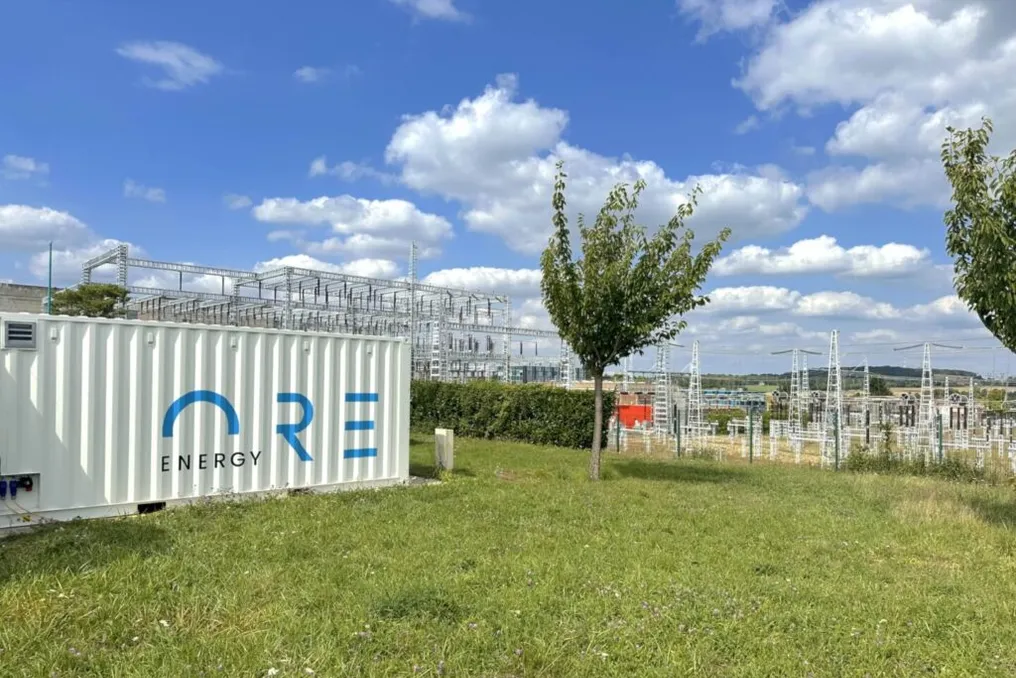
These funds will be used to expand the production of iron-air batteries capable of storing energy for up to 100 hours at a cost approximately ten times lower than lithium-ion counterparts. The company claims that gas becomes unnecessary if electricity can be stored for several days. The increased load from artificial intelligence (AI) disrupts power grid operations.
Electricity consumption in global data centers is expected to rise to 945 TWh by 2030. AI workloads cause sharp demand spikes that utility companies are unprepared to handle. Furthermore, Europe cannot utilize about 72 TWh of wind and solar energy annually because there is no place to store this surplus capacity, which is estimated at around $8 billion.
Currently, most grid battery systems operate for 4 to 12 hours. However, the devices developed by Ore can function for 100 hours. Their design is simple: the battery uses air, water, and electrodes. Charging occurs by reversing the electric current, turning rust back into iron.
During discharge, the iron oxidizes again, and the energy is captured. This is why it is also called a 'breathing battery.' Since it does not use lithium or cobalt, it is accessible and can be produced in Europe, eliminating the need to import minerals or activate supply chains.
The main component is iron, which is widely available. According to the startup's CEO, the real competitor is not other types of batteries, but natural gas. In modern grids, gas plants are switched on to cover deficits during multi-day drops in wind or sun. The company aims to replace this mechanism with renewable energy storage.
The company has about 50 employees in Amsterdam. Ore has signed a 1 gigawatt-hour capacity agreement with Dutch energy supplier Budget Thuis. The company is also conducting pilot projects with the French energy company EDF.
The company's goal is to achieve gigawatt-hour scale production by 2028 and make iron-air technology an integral part of European grid infrastructure by 2035. For utilities, payment for curtailing wind farms or starting gas turbines will be replaced by purchasing cheap energy during periods of abundance and subsequently storing it for days. When the energy is needed, it will be fed into the grid. For AI data centers, this will allow the use of renewable sources without interruptions thanks to multi-day storage.
The $43 million Series A funding round for Ore Energy was led by Plural and HV, with participation from existing investor Positron Ventures. This increases Ore Energy's total funding to $61 million. This round is considered modest compared to leaders in this category.
The American company Form Energy has raised over $1.2 billion and is valued at $3.4 billion. They are building a plant in West Virginia to produce 500 MW per year of iron-air batteries by 2028. Other companies, such as iwell and Terralayr, are also involved in energy storage in Europe, but they focus on shorter storage durations, whereas Ore uses iron-air technology.
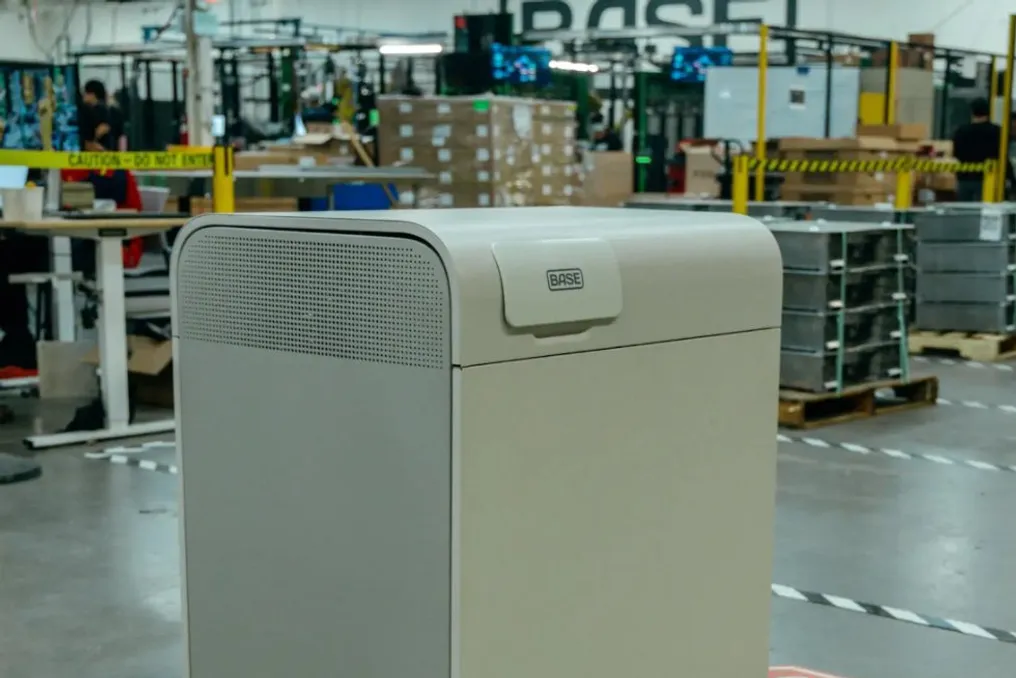
Base Power has announced the release of one of the most powerful and large home batteries, named Base Core. This launch coincides with the company raising $1 billion, which will be directed towards placing batteries in residential homes across the United States.
The current US energy system is under significant strain due to growing demand driven by artificial intelligence data centers and the widespread adoption of electric vehicles. Building new gas power plants will take a long time, creating a problem for utility companies. Base offers a solution to this problem by installing batteries directly in people's homes.
The Base Core has a capacity of 39.2 kWh, making it one of the largest home batteries on the market. When two such units are connected, the total capacity reaches 78.4 kWh, allowing the house to be powered for several days. Besides its size, the Base Core is not just a backup device; it is originally designed for integration into the main power grid.
The Base Core home battery performs two functions simultaneously: it provides lighting during power outages and helps maintain grid stability during sudden increases in consumption. This is achieved through three key features: installation takes less than an hour, simplifying scaling without needing many electricians; the system automatically switches over during a power loss; and it can withstand extreme weather conditions. The product is also noted for its accessibility.
Core production takes place in America, specifically at Base Plant 1 in Austin. According to the company, residents can expect to receive thousands of units monthly. Since production is located in the US, buyers do not have to face supply chain issues or long delivery waits.
Base has been working on the Core product for about a year. Over 500 kWh has already been installed, and the company's operations have expanded beyond Texas into Illinois. Furthermore, Base has secured partnerships, such as with El Paso Electric and CoServ, providing over 200 MW of capacity.
The company's revenue is generated from two sources: the sale and installation of batteries, and receiving payments from utilities for operating these systems. For homeowners, the appeal lies in protection against outages and reduced bills, while for utilities, it represents the opportunity to gain megawatts immediately rather than in the future.
The $1 billion funding round is atypical for energy sector equipment, as is the company's valuation. This funding round was led by Ribbit, Addition, Valor Equity Partners, and JPMorganChase Strategic Investments Group. Other participants include Altimeter, Coatue, a16z, Thrive, and Lightspeed.
JPMorgan's participation is particularly noteworthy because they are investing through their Security and Sustainability Initiative. Their approach focuses not on consumer technology but on infrastructure. Distributed batteries fall under the category of power lines and substations. The total amount raised by Base exceeds $2.5 billion. These funds will be used to create more Core units, hire additional specialists, and expand operations into new cities.