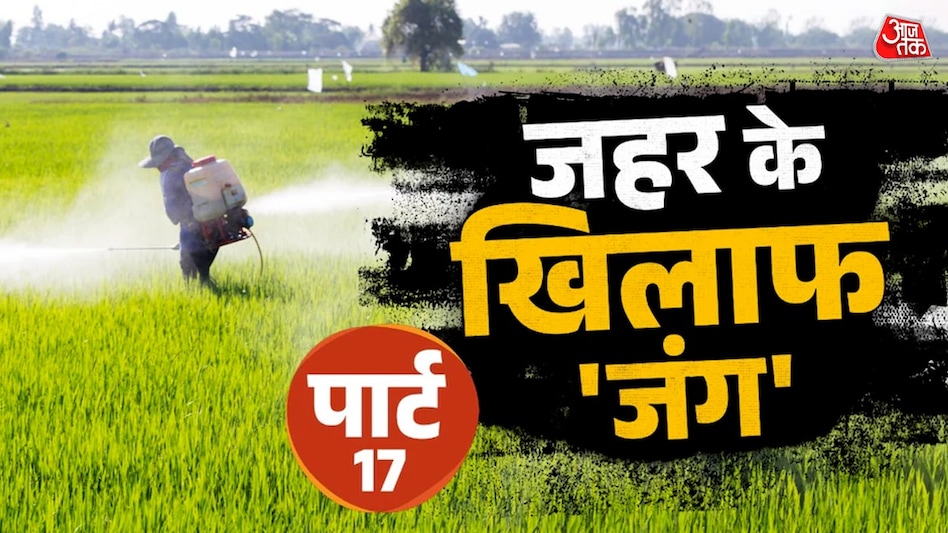
The Ministry of Agriculture has made an important policy decision aimed at stimulating organic farming and improving soil conditions in the country. A draft notification was issued banning the use of the most toxic herbicide, 'Paraquat dichloride,' across the entire country, which increased pressure on the agrochemical lobby.
Shift to controlling Glyphosate
Following this step, the focus of the agricultural sector and environmentalists has shifted to a potential ban on another major herbicide—'Glyphosate.' Simultaneously, there is a growing demand for greater policy transparency and the elimination of the influence of chemical corporations within government institutions and research centers.
Government stance and the Paraquat ban
After long waits, public protests, and the death of thousands of people, the Ministry's draft decree for 2026 effectively allowed a complete ban on the production, import, sale, and use of Paraquat. Agriculture Minister Shivaj Singh Chauhan sent a strong signal in an informal conversation with farmers: 'There is no excuse for putting any chemicals into the fields that are dangerous to human life and the environment. The health of the people comes first.'
His statement emphasized that the government will not back down from any pressure to implement the vision of 'chemically pure' agriculture put forward by Prime Minister Narendra Modi.
Reasons for demanding a Glyphosate ban
Similar to Paraquat, the necessity of banning Glyphosate is currently being actively discussed. The main concerns relate to the fact that the International Agency for Research on Cancer (IARC) of the World Health Organization (WHO) classified Glyphosate as a substance that causes cancer in humans (Group 2A). Numerous lawsuits against this chemical are being filed worldwide.
In more than 30 countries around the world, including Germany, France, Italy, the Netherlands, Vietnam, and Austria, Glyphosate is either completely banned or its use is strictly regulated. A natural question arises as to why such a chemical, recognized as harmful to health and the environment globally, continues to be sold in India.
Damage to the country's reputation
The use of Glyphosate damages the country's reputation. In recent years, hundreds of batches of agricultural products exported from India to the European Union and other countries (such as basmati rice, tea, and spices) have been rejected due to the detection of Glyphosate residues. This has been a blow to both the international image and the agrarian economy of the country.
Corporate machinations and legal barriers
Agrochemical companies have largely neutralized the government's attempts to tighten control over Glyphosate. Previously, the government issued a directive limiting the uncontrolled use of this substance, establishing a rule that spraying must only be carried out by authorized pesticide operators (PCOs), not by the farmers themselves. The goal of this measure was to protect farmers and the population from direct contact with the poisonous substance.