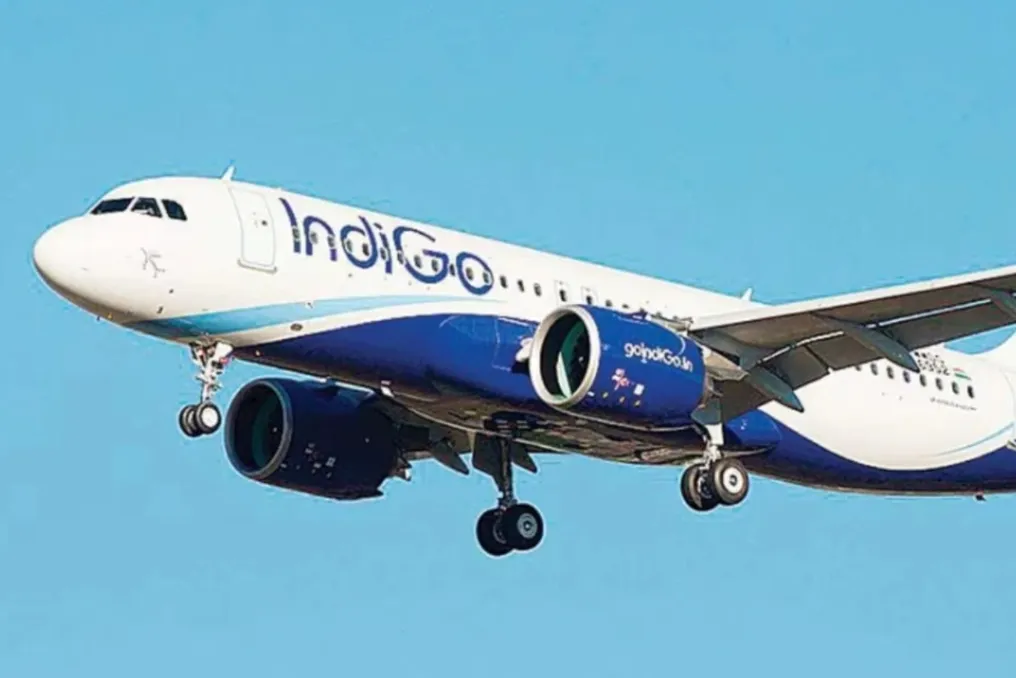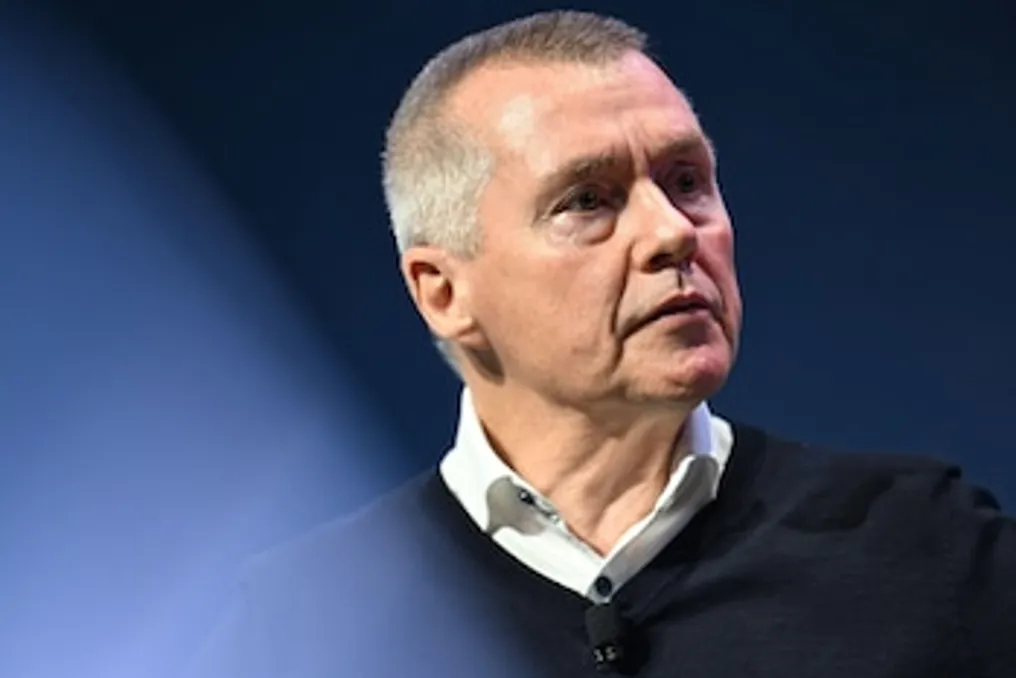
IndiGo's new CEO, Willie Walsh, stated in his first address to employees that changes in the global environment, supply chain restrictions, and airspace disruptions will not affect the airline's long-term development direction.
Walsh emphasized that despite the serious challenges facing the aviation industry, IndiGo's strategy for international expansion will remain unchanged. These remarks came a day after he took office, against the backdrop of recent tactical pullbacks in IndiGo's long-haul operations.
Earlier this month, the airline announced the return of two leased Boeing 787-9 aircraft from Norse Atlantic Airways ahead of schedule as part of a review of its long-haul fleet.
Walsh noted that modern aviation faces evolving issues in airspace, supply chain constraints, and a changing global situation. He stated that these realities require the company to maintain flexibility, discipline, and resilience, but they do not change the course. On the contrary, they strengthen the qualities that have always defined IndiGo: unwavering commitment to safety, operational excellence, and ensuring stability for customers.
He confirmed that the airline's overall international growth strategy remains in effect, including plans to add new long-haul destinations and introduce wide-body aircraft in the coming years.
Walsh expressed enthusiasm for the opportunities opening up for the company. He noted that as the fleet is supplemented with new aircraft and the international network expands, IndiGo will connect India to more global destinations than ever before. Each new destination strengthens ties, brings people and businesses closer, and presents India on the world stage.
The Indian aviation industry has struggled over the past year with two main obstacles: airspace disruptions and supply chain bottlenecks. Indian airlines have had to reroute flights to Europe, North America, and parts of West Asia after Pakistan closed its airspace to Indian carriers in April 2025. Furthermore, the conflict in West Asia has further restricted available flight corridors.
Longer routes have led to increased flight time, fuel consumption, crew and navigation costs, reduced aircraft utilization, and placed Indian carriers at a disadvantage compared to foreign airlines that can continue to use Pakistani airspace.
Simultaneously, global supply chain disruptions have delayed aircraft deliveries from Airbus and Boeing, as well as slowed the availability of engines and spare parts. Issues with Pratt & Whitney GTF engines have also limited IndiGo's capacity, taking some of its Airbus A320neo-family fleet out of service in various locations.
Walsh also described his leadership approach, stating plans to spend the upcoming weeks and months meeting with employees at airports, stations, engineering sites, and offices. He emphasized that leadership begins with listening, and he intends to learn from all employees to understand their experiences and difficulties.
These statements are particularly significant as Walsh took over nearly eight months after a major operational disruption at IndiGo in December of last year, which caused delays and cancellations across the network and drew the attention of regulators. They also came three months after the departure of former CEO Peter Elbers.
In summary, Walsh noted that IndiGo's growth story is just beginning. He thanked the employees for their contribution to the airline's 20th anniversary and expressed his readiness to work with them to shape the carrier's next phase.