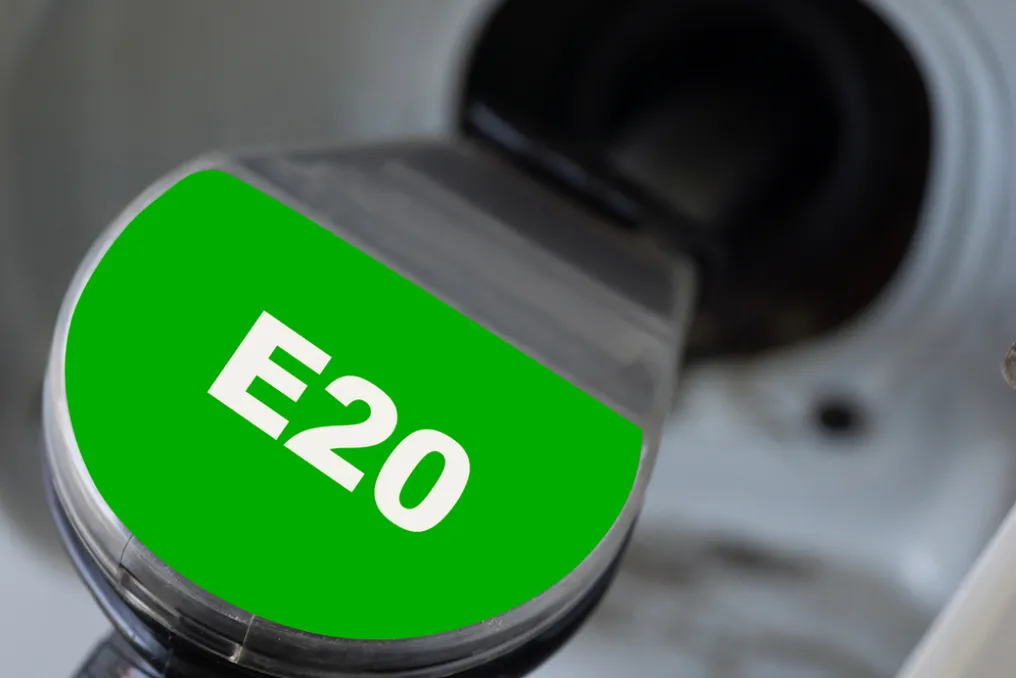
The automotive industry organization, Siam, warned that the low quality of E20 fuel, characterized by high levels of chlorides and moisture, is leading to an increase in component failures in vehicles. The organization urged the government to tighten fuel quality standards, introduce mandatory chloride limits in fuel specifications, and strengthen quality control at gas stations, as reported by CNBC TV18.
In response to these concerns, the Center directed Oil Marketing Companies (OMCs) to intensify monitoring of fuel quality directly at retail points. These directives were issued following high-level meetings involving OMCs, automakers, and government officials.
Previously, Siam sent a letter to the Ministry of Petroleum and Natural Gas, noting a significant rise in the replacement of fuel injectors, fuel pumps, exhaust gas recirculation (EGR) valves, exhaust components, and other parts that come into contact with fuel or engine emissions, according to CNBC TV18.
Field studies conducted by Siam established that such breakdowns are caused by corrosion and wear triggered by high levels of chloride contamination in the fuel. Siam also reported that fuel samples taken from vehicle tanks showed chloride contamination levels up to 500 mg/kg, while samples collected at retail stations had levels up to 350 mg/kg. The industry organization emphasized that problems related to chlorides have sharply increased since the nationwide implementation of E20 gasoline.
How does chloride contamination affect vehicles?
According to the letter from Siam, quoted by CNBC TV18, chloride contamination is extremely harmful to engine and exhaust system components, causing corrosion that can lead to immediate or long-term damage depending on the degree of contamination. Furthermore, the industry organization cautioned that repeated instances of contamination could undermine consumer confidence in ethanol-blended fuels.
To address this issue, Siam proposed establishing mandatory chloride limits in the fuel specifications of the Bureau of Indian Standards (BIS). A general limit of less than 1 mg/kg for commercial E20 and E85 fuel, and less than 3 mg/kg for anhydrous ethanol used for blending, was recommended. Siam noted that it has raised this issue with BIS for over two years, but this proposal has not yet been implemented.
Moisture contamination is also a concern
In addition to chloride contamination, Siam also pointed out excessive moisture levels in E20 fuel sold at retail outlets. It was observed that some fuel samples contained moisture concentrations exceeding 10,000 mg/kg, which is more than three times the permissible limit of 3,000 mg/kg. According to the industry organization, excess moisture can cause phase separation in ethanol-blended fuel, potentially leaving vehicles stranded immediately after refueling.
Siam strongly urged the government to instruct OMCs to determine the root cause of chloride contamination and strengthen fuel quality checks across the entire retail network.
>