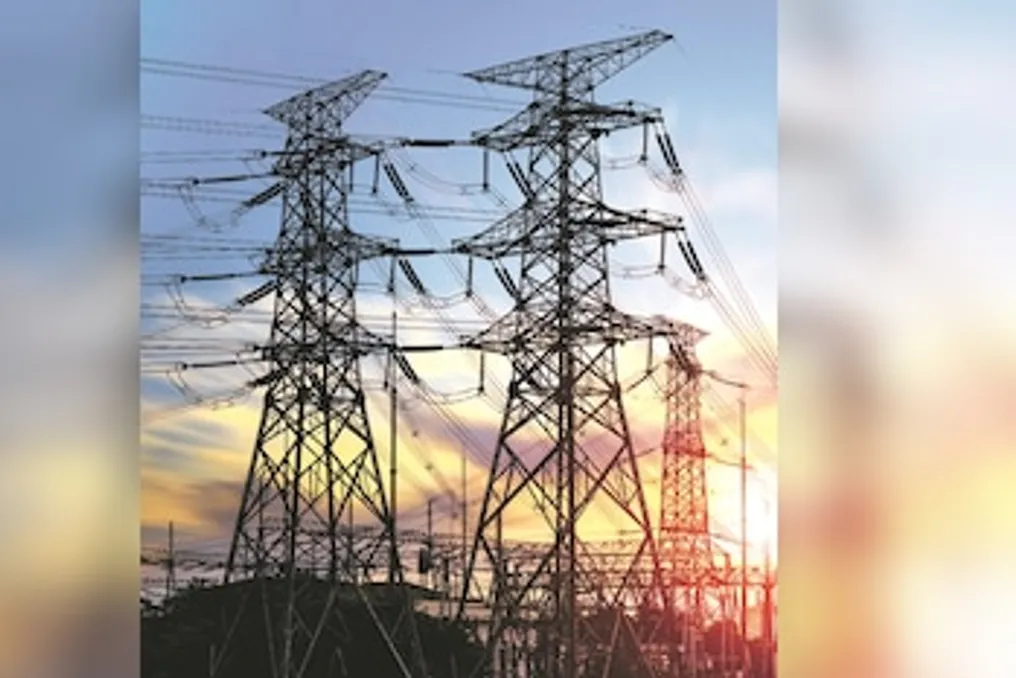
According to Morgan Stanley's analysis, Asian economies plan to invest $5.5 trillion in the energy sector over the next five years. This amount includes $1.2 trillion in new investments on top of the already realized $4.3 trillion. These investments are aimed at strengthening supply chains, supporting economic growth, and meeting the growing demand for electricity.
Morgan Stanley believes that this surge in energy capital expenditures (capex) could unlock opportunities worth up to $9 trillion across the entire value chain—from power generation and infrastructure to fertilizers and materials critical for artificial intelligence (AI).
The analytical note notes that more than two-thirds of these investments, including coal, will be directed towards power generation, followed by fuel, energy storage systems, and natural gas. The topic of 'Powering AI' will trigger a new cycle of investment in energy systems, especially in storage, coal power plants, and grid flexibility, as the exponential growth of AI infrastructure faces real-world limitations.
Beneficiaries in India
Morgan Stanley has identified five companies in India—Bhel, Adani Power, NTPC, Tata Power, and JSW Energy—as potential beneficiaries in power generation and equipment suppliers in the coming years amid increased energy capital expenditure. The analysts' optimism is based on rising electricity demand driven by economic growth, electrification of end sectors, the emergence of new loads such as electric vehicles (EVs), and the development of green hydrogen.
Furthermore, large data center operators (DCOs) are striving to use clean energy sources, making corresponding investments in storage systems inevitable to manage issues of intermittency and variability in power supply.
In the Indian context, Morgan Stanley forecasts that total electricity demand will grow by 6.75 percent between 2025 and 2030, reaching 668 terawatt-hours (TWh). Of this volume, DCOs will require 68 TWh, and demand outside DCOs is estimated at 600 TWh. The analytical note indicates that DCOs currently account for about 2 percent of global electricity consumption, and by 2030, they will add 1.2 trillion units to global consumption, representing 5 percent of total electricity demand. Approximately 45 percent of these units will be consumed in Asia, 45 percent in the US, and Europe will cover the remainder.
The research house forecasts a Compound Annual Growth Rate (CAGR) for DCO electricity consumption of 25 percent during 2024–2027 and 20 percent during 2027–2030. It expects that by 2030, DCOs will account for 75 percent of electricity demand growth in the US, 40 percent in Europe, and 13 percent in Asia.