
The modern role of banks extends beyond simply regulating monetary operations or controlling inflation; they are now also responsible for shaping public trust, which is one of the most crucial factors in the economy. Since the expected outcome is difficult to achieve without confidence in economic decisions, this has become a critically important aspect.
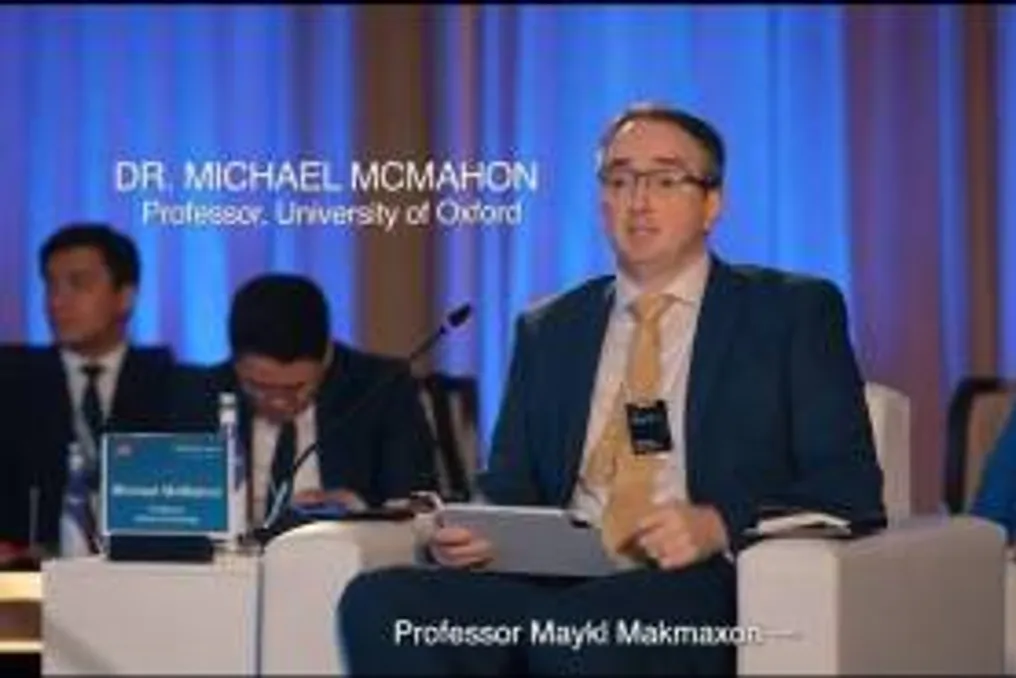
During the international dialogue 'Monetary Policy Dialogue – 2026,' Oxford University Professor Michael McMahon and former International Monetary Fund expert David Vavra shared their views, which contain important recommendations for Uzbekistan.
According to Professor Michael McMahon, central banks previously were limited to announcing decisions. Today, ensuring financial stability has become an integral part of policy. This means that the Central Bank must explain not only the change in interest rates but also the reasons for this decision and its impact on the population and businesses in simple and understandable language.
The expert believes that when people fully understand the Central Bank's decisions, trust in the economy grows. Although terms like 'real interest rate' or 'core inflation' are understandable to economists, they are complex for ordinary citizens. Therefore, central banks must speak the language of everyday concepts such as prices, wages, loans, jobs, and household budgets, ensuring an open and effective dialogue with the public.
McMahon differs from the general opinion that changing economic forecasts is a mistake by specialists. He argues that forecasts are made based on certain conditions, and if factors such as oil prices, exchange rates, or the global economic situation change, the forecast must be updated. It is extremely important, however, that the Central Bank can explain the reasons for these changes to the public in an accessible manner.
When asked about the most important communication task for a developing country like Uzbekistan, the professor gave a brief but very significant answer: 'Reliability, reliability, and reliability again.' In his opinion, in countries with a high level of trust in the Central Bank, inflation control is easier, making trust one of the most important resources of the modern economy.
Former IMF expert David Vavra commented on Islamic banking, emphasizing that this system contributes to increasing the number of users of financial services. He noted that the Islamic financial system is important not only for citizens who adhere to religious principles but also for adding greater diversity and stability to the financial system. This, in turn, helps attract funds into the economy and increase new investments.
In the expert's view, alongside the development of Islamic banking in Uzbekistan, there needs to be an expansion of the market for financial instruments such as sukuk (a type of security compliant with Islamic principles). For this, it is important that sukuk are issued regularly and according to a pre-published schedule. If banks know in advance when new instruments will appear on the market, they can properly plan their liquidity, which contributes to the stable operation of the financial market.
The conclusions of international experts indicate that the key factors for the success of a modern Central Bank are gaining public trust, explaining decisions in simple and understandable language, and ensuring transparency in economic policy. Furthermore, for Uzbekistan, the gradual development of Islamic banking and the sukuk market, diversification of the financial system, and creating an environment favorable to investors remain relevant tasks.