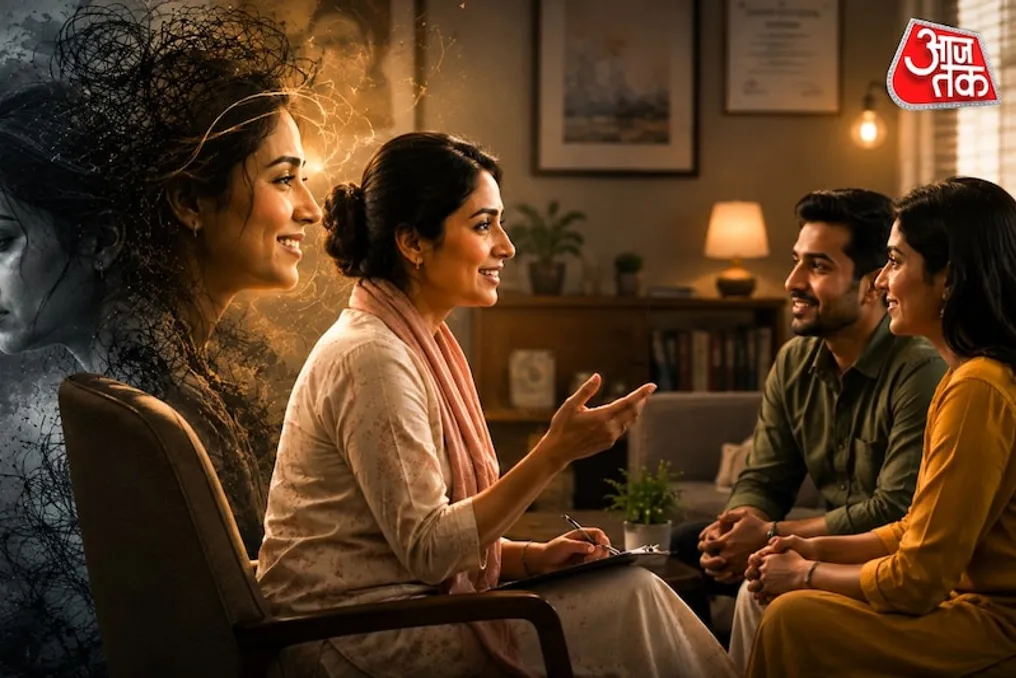
Following reports of a psychiatrist's suicide, who fell from the fifth floor of an elite residential complex in Ghaziabad, lines from Kamar Jalalabadi's song were once again brought to light, reflecting a bitter and frightening reality. This incident prompted reflection on how deeply hidden pain can exist even in those who help others daily.
It is hard to imagine how a person who unites broken hearts every day, possesses the ability to breathe life into the souls of the suffering, while simultaneously experiencing internal exhaustion themselves. Perhaps they recognized this state, but the wall of stigma was so high that any cry remained unspoken.
Why does news of the death of a mental health specialist or a healer from depression resonate so strongly with society? Probably because in our society, doctors and mental health experts have been elevated to the status of 'superhumans' who are not allowed to show weakness. We tend to assume that if a person is an expert in mental health, they must be perfectly healthy, knowing all the theories about depression symptoms.
However, we forget that behind every white coat and every high degree lies an ordinary person. Statistics confirm this grim truth: studies show that the rate of depression, anxiety, and suicidal thoughts among doctors in India is approximately twice as high as among the general public.
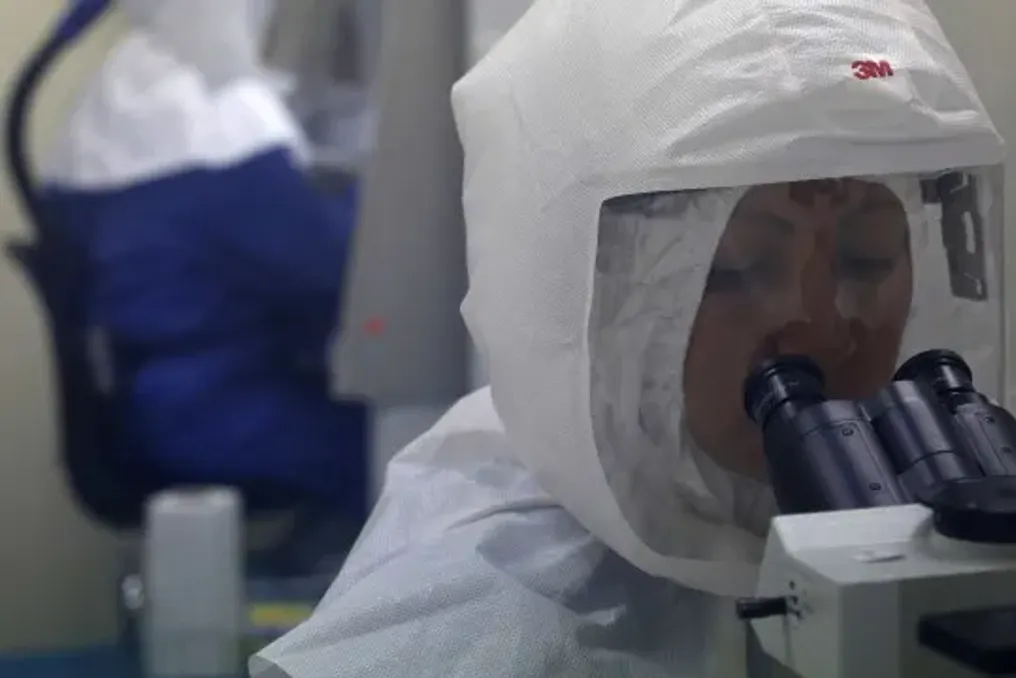
According to reports from the U.S. National Institute of Mental Health (NIMH) and the Guardian, the burnout rate among mental health professionals, motivational speakers, and doctors due to 'secondary trauma' (psychological shock from others' suffering) has reached 40–50 percent. Globally, an average of one doctor or healer dies from depression every day, but this data often goes unnoticed in official documents.
The author recalls meeting the renowned psychiatrist Dr. Satyakant Trivedi last year. During a discussion about mental health, he asked about the stress faced by doctors and healers. Dr. Trivedi replied that society expects constant resilience from them, but no one asks how many times the heart of the person behind this defense has broken. He noted: 'We take in other people's garbage and pain daily, but when it comes to emptiness, we have neither a shoulder nor permission to admit our vulnerability. The greatest tragedy for healers is that they are forced to die alone while treating others.'
Dr. Trivedi's speech and the tragic incident in Ghaziabad are not just personal dramas. They are a warning signal for all of us. This accident loudly declares that depression is not dependent on diplomas, position, or financial status; it is an illness that can affect anyone, whether a patient or their treating 'savior'. The heaviest burden becomes the 'professional mask.'
While an ordinary person can cry while hugging a friend or share pain on social media, for a psychiatrist suffering from depression, seeking help becomes the hardest step. They fear public judgment: 'Who will be able to treat us if they cannot take care of their own mental health?' It is this stigma that forces them to suffer in silence. They illuminate the world of others while sinking themselves into the dark abyss.
It is time to start viewing 'healers' as human beings. It is necessary to create an environment where a doctor, consultant, or motivational speaker can say without hesitation: 'Today I am not okay, I also need help.' Because if the savior fails in the battle against loneliness and inner struggles, what will become of those whose thirst they quench?
The Indian Medical Association (IMA) may have chosen the theme 'National Doctors' Day 2026' precisely with these thoughts in mind. The theme 'Behind the Mask: Who Heals the Healers?' for 2026 aims to draw attention to the mental health of doctors, their safety, excessive stress, and burnout, to convey the message that doctors who treat others also require care and psychological support.