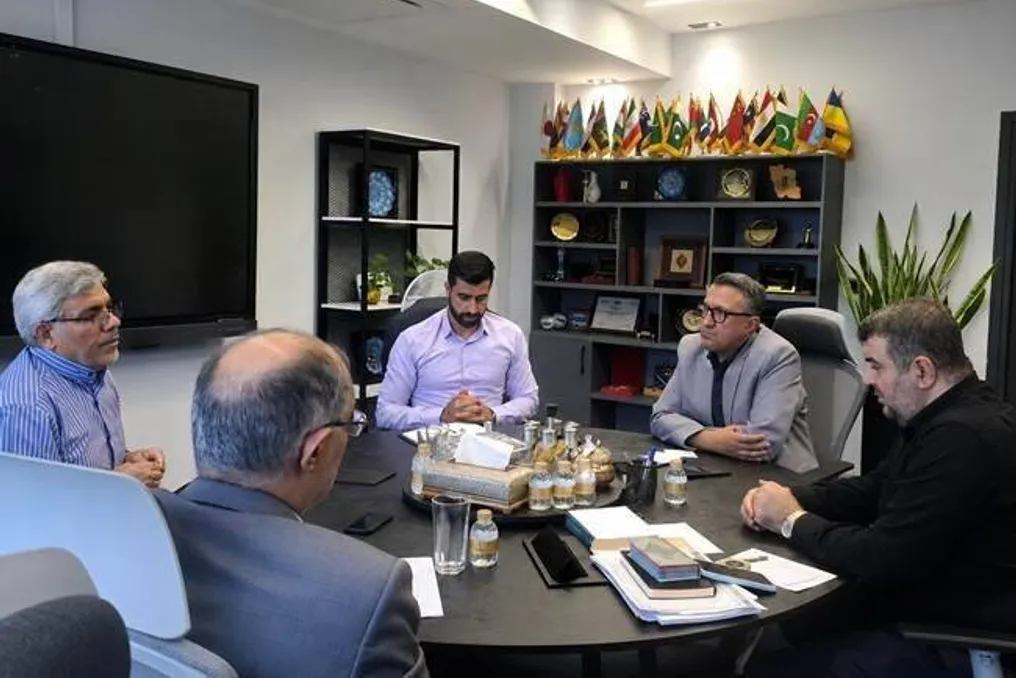
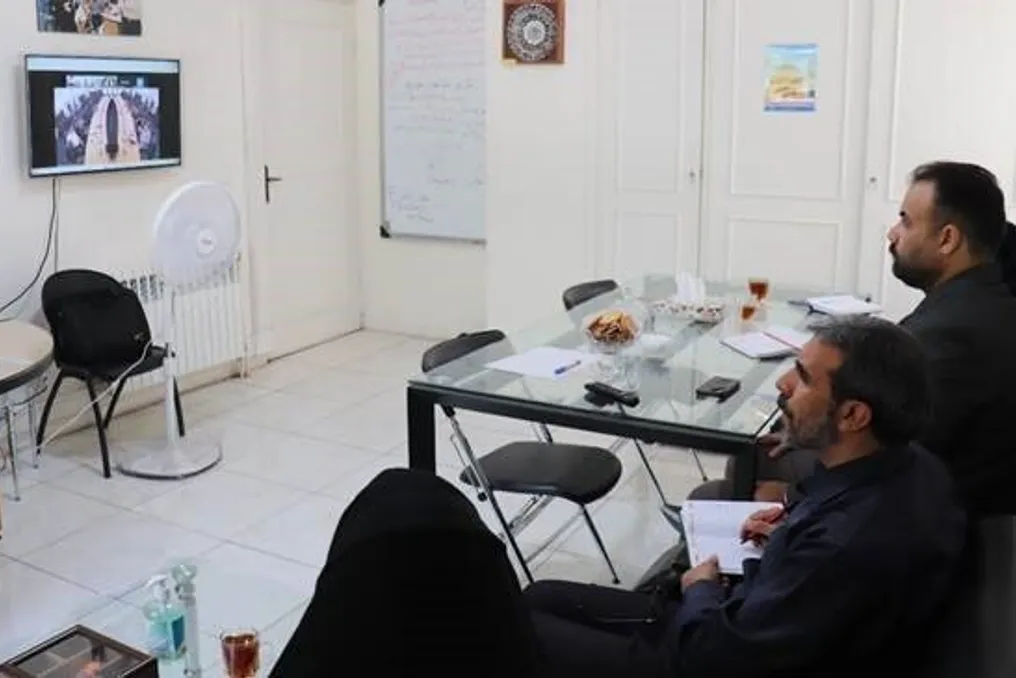
Representatives from Iran and Belarus discussed ways to develop scientific, technological, and innovative cooperation between Tehran and Minsk. Hossein Rouzbakhsh, head of the Organization for the Development of International Cooperation in Science and Technology, and Mohsen Omidzamani, the Iranian ambassador to Belarus, held talks to advance joint projects.
Rouzbakhsh emphasized the country's high potential, noting that the vice-presidency for science, technology, and knowledge-based economy is a key player in developing the knowledge-based economy in the region, boasting 11,000 knowledge-based companies. He added that this potential could form the basis for effective interaction with Belarus in various technological fields.
Since over a thousand Iranian knowledge-based companies export products to international markets, the official representative stated that expanding joint efforts between companies of both countries, implementing joint technological projects, and promoting technology transfer will be the main directions of cooperation.
Furthermore, Rouzbakhsh noted the strategic opportunity to utilize the potential of the Eurasian Economic Union to expand scientific and technical interaction. He added that leveraging the capabilities of EAEU member states, including Belarus, Russia, Armenia, and Uzbekistan, can promote technological cooperation, the creation of joint innovation networks, and the development of multilateral projects.
He called for resuming work on previous strategic memoranda of understanding, developing joint projects between scientific and technical centers, strengthening cooperation between universities, research centers, and knowledge-based companies, as well as creating sustainable mechanisms for partnership development. Other topics discussed included the exchange of scientific and technological delegations, inviting Belarusian specialists in science and technology to Iran, and conducting mutual visits.
For his part, Omidzamani proposed establishing an economic and technological attaché at the Iranian embassy in Belarus as an effective measure to accelerate relations between companies, scientific centers, and technological institutions in both countries. He noted that the ongoing expansion of economic ties and the prospect of a free trade agreement will open new opportunities for technological and commercial cooperation between Iran and Belarus. Moreover, Omidzamani highlighted Iran's valuable experience and opportunities in healthcare and tourism, stating that both nations can strengthen ties in these areas.
Officials agreed to develop a strategic roadmap for cooperation, emphasizing the need for constant consultations, utilizing the innovation and technology ecosystems of both countries, and expanding scientific and technical interaction within bilateral relations and the regional potential of Eurasia.
In June, Minister of Science, Research and Technology Hossein Simai-Sarraf and Chairman of the State Committee of Belarus for Science and Technology Denis Korzhitsky signed a Memorandum of Understanding (MoU) to expand educational, research, and technological cooperation. The MoU was signed at the 8th meeting of the Joint Belarusian-Iranian Commission for Cooperation in Science, Technology, and Higher Education, held in Minsk.
The Commission defined priority areas for the period 2026–2028: digital economy and artificial intelligence; innovative industrial technologies; biological and medical technologies; innovative solutions in the agro-industrial complex and food industry, as well as the development and deepening of the study of languages and literature of both countries.
In addition, both sides expressed readiness to hold a joint competition of scientific and technical projects during the 2026–2028 period. A meeting protocol was signed after discussions.
Before the meeting, the Minister of Education of Belarus, Andrey Ivanets, held talks with Simai-Sarraf. The official hoped that the meeting would serve as a basis for expanding scientific and technical cooperation between the two states.
The Iranian minister, in turn, stressed the strategic importance of the SCO and called for strengthening cooperation among member states in the technological sector to meet the common needs of each nation.
In May, Ivanets announced in a phone conversation with Simai-Sarraf his country's readiness to support scientific and educational ties with Iran. He expressed solidarity with the Iranians following attacks by the US and Israel on Iran and stated a willingness to expand cooperation through joint research projects and student exchanges.
Highlighting Iran's scientific capabilities, Simai-Sarraf noted that Iran's higher education system is primarily focused on developing technology and innovation, and the country currently has 160 science and technology parks operating. The official invited Ivanets to visit Iran to familiarize himself with the science and technology parks and universities, which would contribute to strengthening ties.