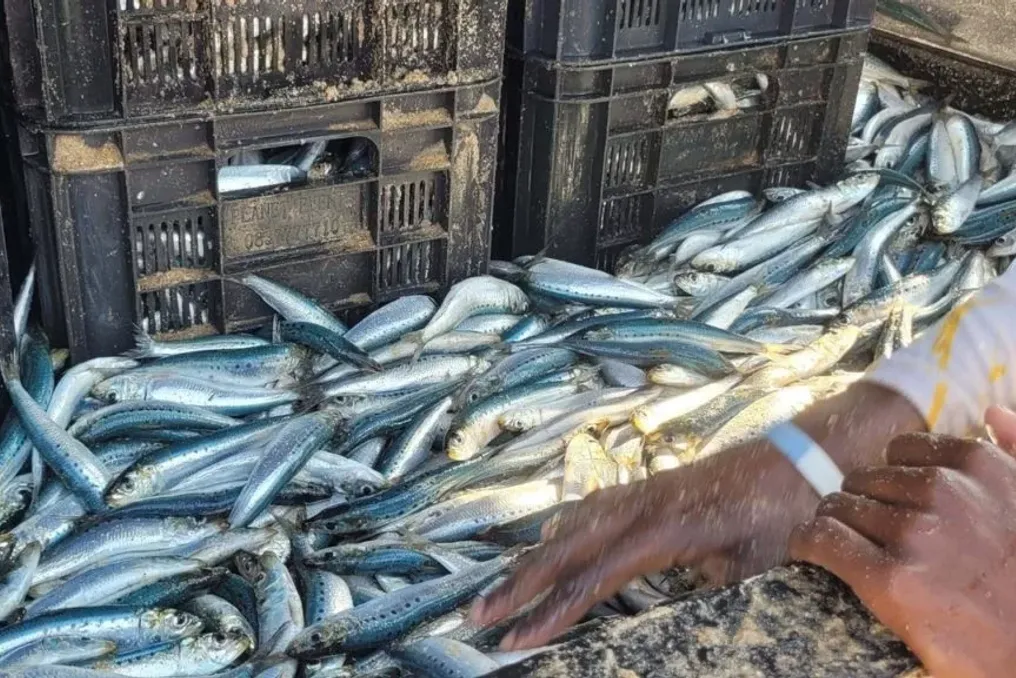
Residents of coastal areas in the Western Cape are being warned not to touch or consume dead or dying sardines washed ashore. This comes amid an investigation into an unexplained marine die-off affecting the area from Saldanha Bay to Gansbaai, according to Cape Etc.
The Department of Forestry, Fisheries and the Environment (DFFE) stated that it has received numerous reports from fishermen, anglers, and citizens after a large number of sardines were observed floating in the sea and washing up on beaches.
Some sightings were recorded several miles offshore near Hout Bay, indicating that this phenomenon affects a significant portion of the coastline. While the sight of dead fish may cause concern, officials emphasize that the cause has not yet been determined and strongly urge the public to refrain from speculation until scientific tests are complete.
As the investigation continues, the DFFE has issued a clear safety warning. The department strongly recommends that citizens do not collect, handle, or consume dead or dying fish found on beaches or floating in the ocean. This warning applies to everyone visiting beaches, fishing along the coast, or encountering fish drifting on the ocean surface.
Investigation into the Cause of Fish Deaths
Over the weekend, scientists collected initial fish samples in Saldanha Bay with the assistance of a commercial fishing vessel. Laboratory tests are currently underway, and scientific observers have been deployed on fishing vessels to monitor the scale of this mortality event.
One possible explanation being studied is a harmful algal bloom affecting the Saldanha Bay area. This bloom is linked to the microscopic marine organism Alexandrium catenella, which is known to produce toxins under certain conditions. However, the department stressed that there is no evidence yet that this bloom is responsible for the entire registered sardine die-off.
DFFE noted: "Given the wide geographical spread of the registered sardine mortality, it cannot be assumed at this stage that this bloom is responsible for all the registered mortality." Researchers will also investigate other potential causes, including environmental conditions, water quality, and fish diseases, before drawing any conclusions.
Although episodic fish kills occur along the South African coast, they are often linked to a range of natural and ecological factors, making scientific testing necessary to determine the cause. DFFE reported that further updates will be published after the completion of the first round of diagnostic tests.