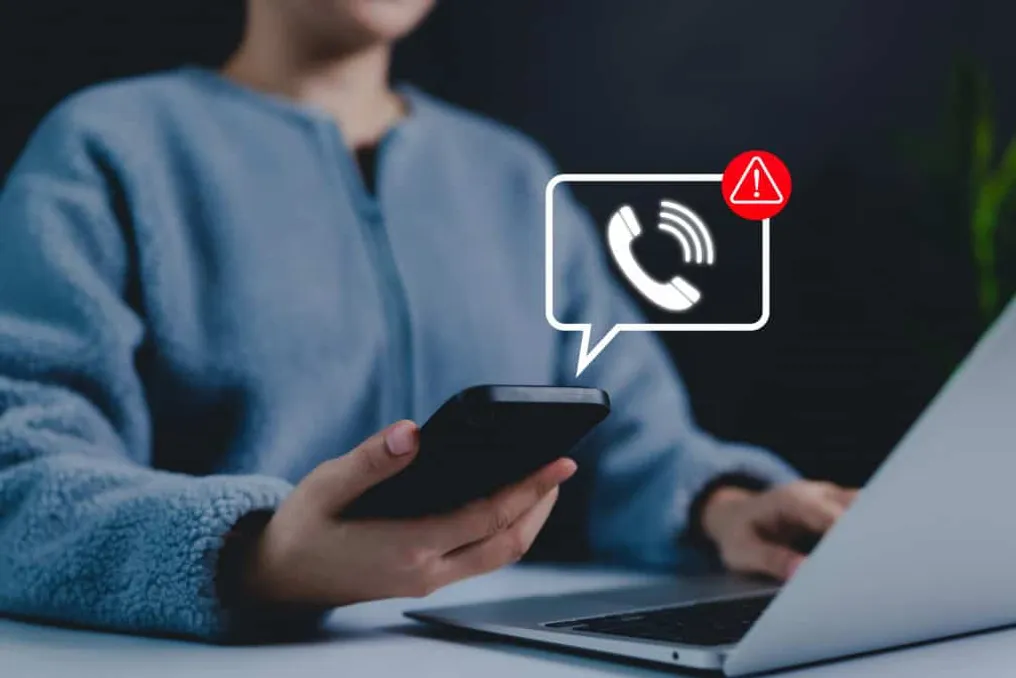
The Vivo Anti-spam tool, developed to block fraudulent and unwanted calls, has begun to be questioned by other telecommunications operators. These companies allege that the system is also preventing calls considered legitimate.
While Vivo maintains that its technology aids in combating fraud and automated calls, its competitors point out that the filter has impacted contacts from health units, businesses, and public services.
System created to combat scams generates dispute
This service is automatically activated on new Vivo lines and analyzes calls before they reach subscribers. The operator explains that the system can identify mass calls and those of a fraudulent nature, in addition to combating the spoofing technique used to disguise the real origin number of the call.
The controversy was brought to the National Telecommunications Agency (Anatel) after at least seven companies registered a challenge regarding the blocks made by the tool. The main complaint is that the filter is interrupting crucial communications, even when these are not related to abusive practices.
Eduardo Tude, president of the consultancy Teleco, commented that the functioning of telephone anti-spam is analogous to that of an email filter, emphasizing that there is no perfect system capable of blocking only what is improper.
The central points raised by the companies include: the blocking of calls considered valid by public bodies and companies; the lack of transparency in the system's operating criteria; the negative effect on security, education, and health services; and blocks involving numbers already authenticated by the Verified Origin system.
Blocks affect public services
Adyl Telecom notified Anatel about the interruption of more than 16,000 calls since the beginning of June, reporting that hospitals and government entities were affected by these blocks.
Another example occurred in the city of Araçatuba. 3corp Technology, responsible for municipal telephony, reported that over 800 numbers used by the public administration were blocked, with these lines being used for health, security, and education services. After negotiations with Vivo, 3corp managed to release these numbers. Other companies, such as Net2Phone Brasil, Agera Telecomunicações, Ateky Internet, and Ágil Telecom, also reported difficulties with the filter's operation.
Anatel communicated that it is analyzing the statements presented by both the companies and Vivo, aiming to establish an understanding applicable to each specific situation.
Vivo says tool follows security criteria
Vivo assures that it has been providing this feature since November 2024 and conducted tests with approximately 700,000 users before expanding the functionality to its entire active base. According to the operator, the system operates in two phases: first, it verifies if the call has authentication, and subsequently, it evaluates the profile of the number making the contact.
The company declares that it does not block calls that comply with the standards of the service and the STIR/SHAKEN system, used by Verified Origin. Vivo stated: 'Only companies that make mass calls without identification will be blocked.' Furthermore, the operator informs that affected numbers can be submitted for analysis through the company's website, and customers have the option to deactivate the feature via the Vivo application if they do not wish to use it.
Currently, the debate focuses on defining a standard that can maintain the block against abusive calls without, however, interrupting legitimate contacts established by public services and companies.