For several months now, there has been a shortage of barium sulfate in Uzbekistan—a drug used for X-ray examinations of the gastrointestinal tract. This issue is actively being discussed among radiology specialists and on social media. Due to the lack of the necessary substance, patients are forced to search for barium themselves, including on marketplaces, which creates a high risk of acquiring non-certified products.
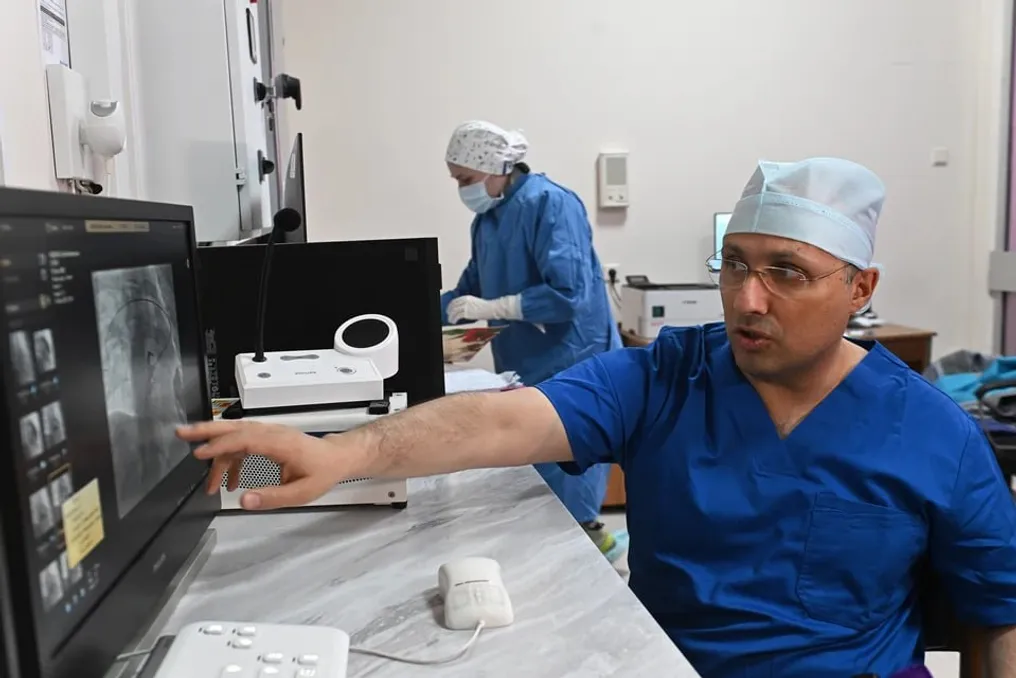
Barium sulfate is an insoluble white suspension that serves as an X-ray contrast agent. The patient takes it (or it is administered by another method) before the radiological examination. Since the soft tissues of the gastrointestinal tract are poorly visible on standard X-rays, barium helps make these organs clear on the image by delaying X-rays. This allows the doctor to assess the condition of the organs in detail, including their shape, patency, and to detect narrowing, ulcers, tumors, or any other abnormalities. This method is one of the most common and fundamental ways to diagnose the GI tract, used worldwide, including before surgeries in abdominal and thoracic surgery departments.
Reasons for the shortage and dependence on imports
Representatives of the medical community note that the shortage is not due to the drug being unavailable on the world market or demand exceeding production capacity. The main reason is that medical institutions in Uzbekistan rely almost entirely on the import of this contrast agent, as domestic production of such barium sulfate is absent in the country. Obtaining official permission for expedited import of the drug faces prolonged bureaucratic procedures, and coordinating the necessary documents takes months.
While the package of documents goes through all necessary authorities, supplies in clinics are dwindling. Old batches of barium run out faster than a new import batch can be processed. As a result, medical institutions find themselves in a situation where the officially approved and tested drug is physically unavailable; its arrival time depends not on logistics or the manufacturer, but on the completion of the approval documentation process.
Consequences for patients
The situation is particularly critical for patients who require a GI tract contrast examination not as part of a routine check-up, but immediately before undergoing surgery, for example, in abdominal and thoracic surgery departments, because timely diagnosis directly affects the choice of treatment tactics. Due to the lack of official supplies, patients have to look for the drug outside established channels, which includes traveling to other cities, purchasing from private pharmacies, or ordering through online marketplaces. Doctors emphasize that patients bear the greatest losses from this situation.
The medical community believes that solving the problem is only possible by accelerating certification and import approval processes, as well as promptly resuming official supplies of certified drugs to medical institutions. The editorial office of Podrobno.uz sent an official request to the Ministry of Health of Uzbekistan to ascertain the reasons for delays in barium sulfate import documentation and to learn about measures being taken to supply clinics with the contrast agent. At the time of publication, the ministry had not provided a response.