Long daily commutes have become a familiar part of life for many residents of Ras Al Khaimah who prefer to stay close to family while building their careers in Dubai and other emirates. Although this lifestyle provides a calmer environment and reduces living expenses, it involves early mornings, heavy traffic, fuel costs of about 3000 dirhams, and less personal time. Nevertheless, for many people, this compromise is a conscious choice.
Fida Abdul Salim, a 24-year-old junior architect, starts her daily route before dawn. She wakes up shortly after 6 am, rushes to complete morning routines, packs lunch, water, and snacks, and drinks a smoothie prepared by her mother or grandmother. Before leaving, she says goodbye to her family, takes a short break to admire the flowers in the garden, recites a prayer for a safe journey, and heads out onto Emirates Road.
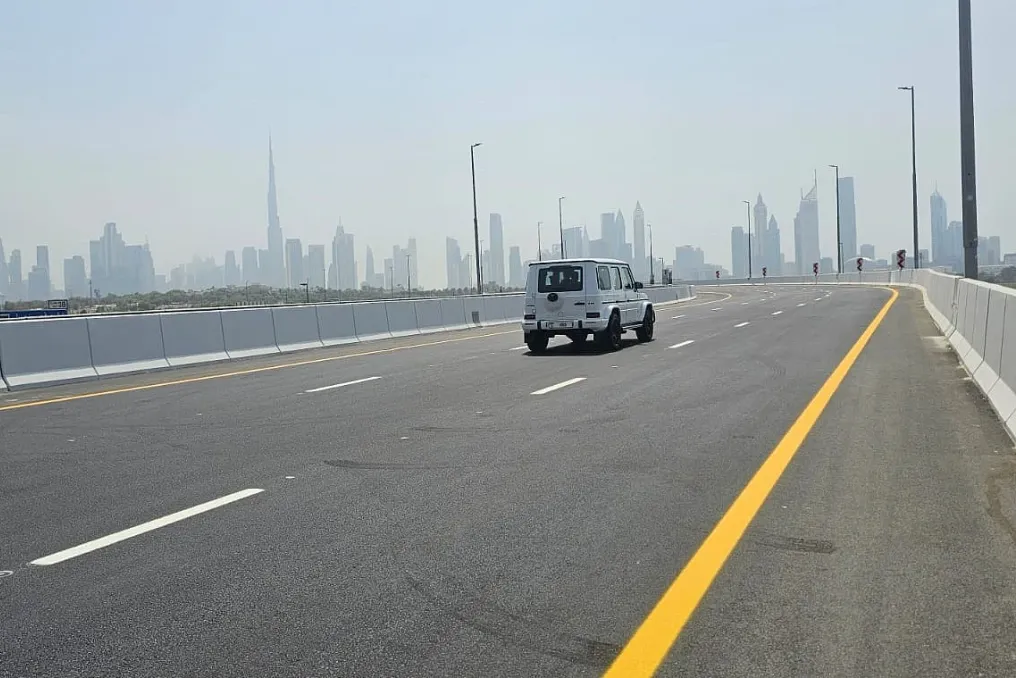
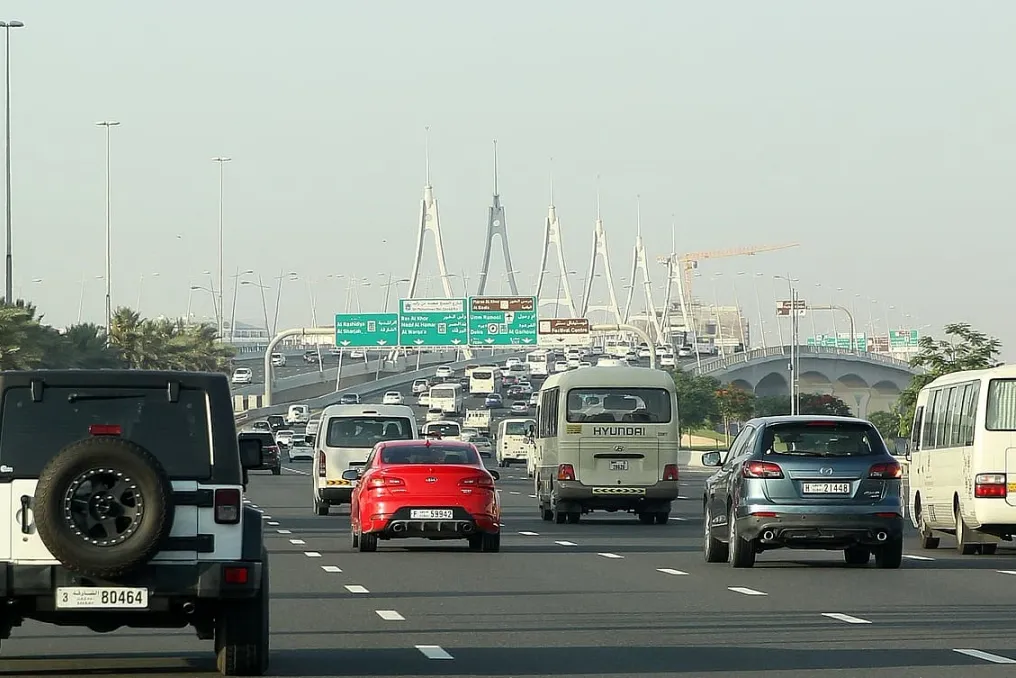
At 6:45 am, her nearly 120-kilometer trip from Ras Al Khaimah to the Dubai Design District begins. She explains that she uses Emirates Road because even five extra minutes stuck in traffic matter. The drive usually goes smoothly until Sharjah, where congestion can quickly slow down movement. A section that should only take a few minutes often lasts half an hour before she continues to Dubai and arrives shortly after 8 am. To save on parking fees, she parks in a free lot and then walks another 15 minutes to the office, often under the summer sun.
After finishing work at 6 pm, Abdul Salim makes the return journey, arriving home between 7:45 pm and 8:00 pm, depending on traffic conditions. In total, she spends about four hours driving every weekday.
Although she initially considered moving closer to her workplace, this idea never materialized. She notes that high rent and difficulties finding a suitable roommate made it challenging. Fida says, 'Now that I think about living in Dubai, I feel like I would miss home. Even if I had an apartment there, it wouldn't be a real home.' For Fida, Ras Al Khaimah is more than just a place to live; 'I have lived here my whole life. It is part of my identity.'
This strong attachment to home is shared by many residents who continue to commute despite the long hours. Ghaya, a nurse who has been working in Dubai for just over a year, travels twice a week for 12-hour shifts. For her, finding work outside Ras Al Khaimah was a necessity, not a choice. She explains, 'There were simply no available opportunities where I live, so working in another emirate became the easiest option.'
Her day starts even earlier. She wakes up around 4:30 am and leaves home at 5 am on weekdays to avoid worsening traffic before her 7 am shift starts. The journey usually takes about one hour and twenty minutes, but during heavy congestion, it can take significantly longer. After completing her 12-hour shift, she returns home around 9 pm.
The biggest cost for those who commute is time. Fida shares that the journeys greatly affect her: 'When I get home, I am physically and mentally exhausted. I eat dinner and sleep.' She emphasizes that there is little time left on weekdays for sports, hobbies, or quality time with family. Sometimes she doesn't even see her father if he isn't home by the time she arrives. Weekends become the only opportunity to recover.
Ghaya describes this lifestyle even more simply: 'It is very draining. A lot of effort, and most of your time disappears on the road and in traffic jams.'
Nevertheless, both women have gradually adapted to the rhythm of commuting. Fida uses her travel time to listen to the Quran, reflect, plan her day, or talk to loved ones on the phone. She also enjoys singing along to music, which, she says, reminds her to stay true to herself despite work demands. She notes that the daily commute has taught her patience: 'Every day you encounter different types of drivers. You learn to understand people better.'
For Ghaya, what initially seemed overwhelming has become routine over time. She says, 'At first, the traffic and the long journey were tiring. But over time, I got used to it and learned when the roads would be busy.'
Despite the fatigue, neither woman regrets staying in Ras Al Khaimah. Ghaya believes that having supportive colleagues and managers makes coming to work worthwhile. She adds, 'The commute is tiring, but as soon as I reach work, I forget about it.'
For Fida, the answer lies in what awaits at the end of each journey. 'The only reason that makes it all worthwhile is returning to my family.' She looks forward to calls from her parents to check on her whereabouts and meeting them when she gets home. 'The relief on my father's face, my mother waiting for me, my brothers and sisters, and my grandmother feeling comfortable because I am home—that makes it all worth it.' She concludes: 'I am lucky to have a family that understands how tired I am. They don't ask much of me when I get home. They just make my life easier.'