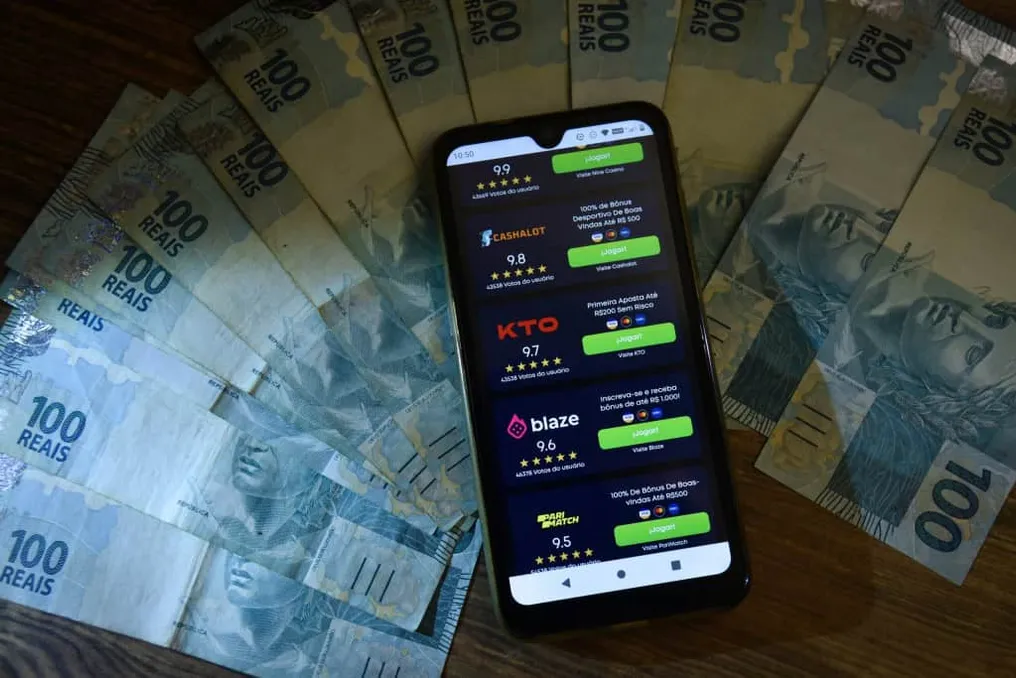
The Unified Health System (SUS) has expanded its telehealth capacity to a total of 100,000 cases designated for individuals dealing with difficulties related to online betting. This expansion occurred due to the growing volume of requests for mental health support services, as reported by Agência Brasil.
Through the Meu SUS Digital application, this initiative provides remote professional guidance and monitoring, ensuring confidentiality and a welcoming environment. The service began in March, initially registering an average of 600 monthly consultations. Due to high demand, the Ministry of Health increased the tool's capacity, which serves as an entry point to the Psychosocial Care Network (Raps).
The offering of this service is carried out in collaboration with the Ministry of Finance and the Brazilian Agency for SUS Management Support (AgSUS). Self-exclusion data also highlight the need for assistance: the Ministry of Health reported that over one million people requested the removal of their CPF from betting websites and applications through the Centralized Self-Exclusion Platform. Of this group, 35% cited loss of control over betting as the reason for the request.
What signs indicate it is time to seek help?
Several behaviors signal the need to seek assistance. Among them are the inability to reduce or stop gambling, changes in sleep, eating, or mood patterns, and the habit of lying to family and friends about betting. Other alerts include feelings of anxiety, irritability, or agitation when away from gambling, as well as financial damage in personal or family life.
Warning signs also encompass feelings of shame, guilt, deterioration in relationships, and using betting as a mechanism to manage stress or frustrations.
Easy access may increase risks
The Ministry of Health points out that several factors increase individuals' vulnerability. These include early exposure to gambling, easy accessibility to platforms, impulsivity, social isolation, and a previous history of depression or anxiety. Additionally, social influences that positively promote betting and encourage gambling as an escape from emotional problems also contribute to this risk.