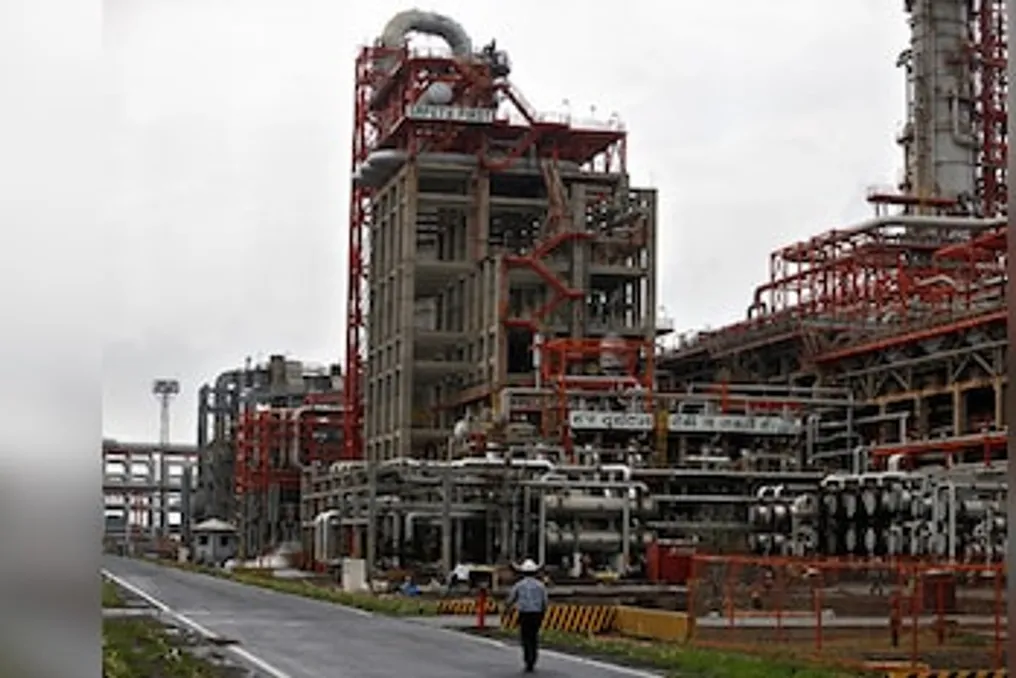
Political criticism followed the announcement by the Cape Town Energy Directorate of capital investments amounting to R6 billion. These funds are intended for modernizing the electricity grid and procuring clean energy within the city's medium-term budget. However, opposition political forces argue that this plan will primarily benefit affluent residents rather than those in need.
Infrastructure and Payment Issues
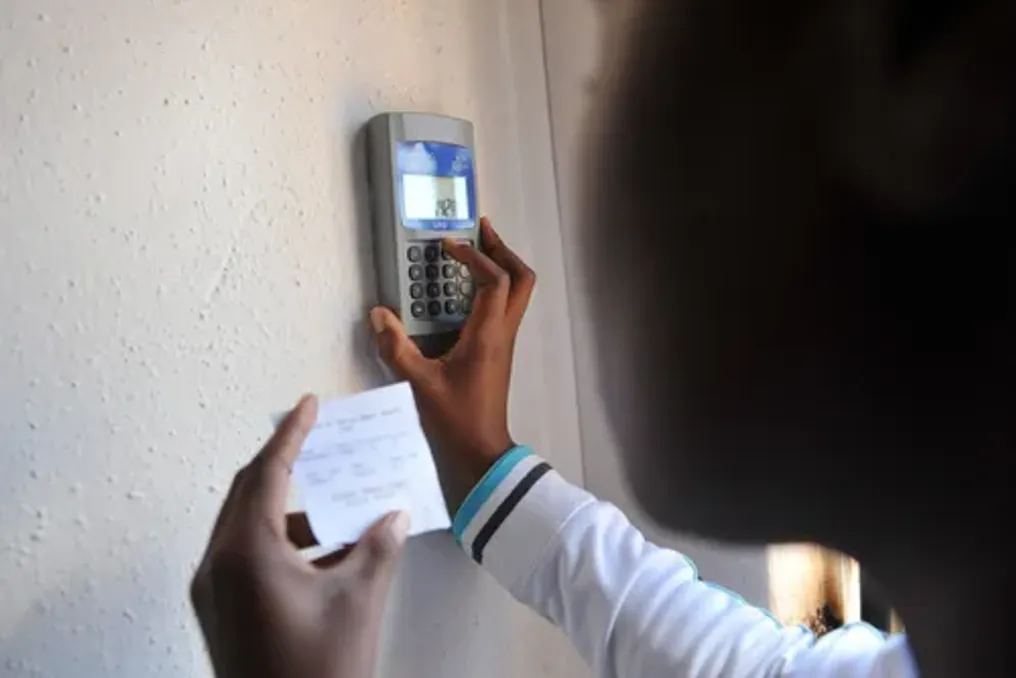
According to political parties, low-income populations will continue to reside in areas lacking adequate electrical infrastructure, forcing them to use illegal connections. Furthermore, it is noted that the city's prepaid meter system will put the working class and poor in a difficult position, as they will face demands to repay debts for the very service necessary for lighting their homes.
Details of Investment Programs
Among the announced city investments are R44.8 million directed towards electrifying communities that still require access to electricity. Investments of R1 billion are also planned for installing street lighting over the next three years. Xanthia Limburg, a member of the City Council for Energy, noted that the City of Hope's budget for 2026/27 focuses on unprecedented infrastructure spending under the three-year plan.
She explained that the Energy Directorate's R6 billion investment aims to ensure the reliability and accessibility of energy supply by mitigating the influence of Eskom on pricing and incorporating cleaner energy sources. Limburg stated that approximately 70 cents of every rand in the city's capital budget will be allocated to infrastructure assets, including roads, sanitation, water supply, and coastal infrastructure.
Tariff Control and Expenses
Limburg emphasized that the largest expense item for the Energy Directorate as an electricity supplier is the procurement of wholesale energy from Eskom, which accounts for about 70% of all tariff revenue. Despite external shocks, the city continues to protect residents by absorbing some increases to assist those who need it most. It was noted that the National Energy Regulator approved an 8.76% increase in Eskom tariffs, leading to a corresponding 9.01% increase in the municipal Eskom tariff. Nevertheless, the city managed to limit the average increase for residents to 6.64%, which is 2.37 percentage points lower than the increase for municipalities.
Opposition Criticism
In response to the city's plans, the South African Communist Party (SACP) stated that the budget is geared towards the wealthy. The party pointed out that while affluent areas receive significant infrastructure investment, working-class communities are being neglected. The SACP noted that the R6 billion energy infrastructure investment plan does not clarify how problems in working-class communities such as Zwezwe in Dunune, the informal settlement of Covid-19 in Mfuleni, Kraaifontein, Empolweni, and Island in Makaza will be addressed.
These communities face inadequate, poorly maintained, or absent electrical infrastructure and are in urgent need of electrification of informal settlements, modernization of existing infrastructure, and installation of sufficient street lighting to improve living conditions and combat crime. Brett Herron, Secretary-General of the GOOD Party, questioned the claim of R1 billion for street lighting, asserting that 70% of these funds are designated for repair and maintenance, with only R261 million for new lamps. He also pointed out that the stated commitment to protecting Cape Town residents from Eskom price hikes through lower tariffs excludes the fact that the practice of charging above Nersa rates over the past two years has been illegal.
Herron concluded that the poor and working classes will continue to suffer. Although Cape Town's free basic electricity policy provides 60 kWh free per month, this applies only to households consuming less than 250 kWh per month. The system fails to account for poverty when a family of three generations is forced to live in a two-room shack with an extension using a communal electricity meter, thereby exceeding DA limits.