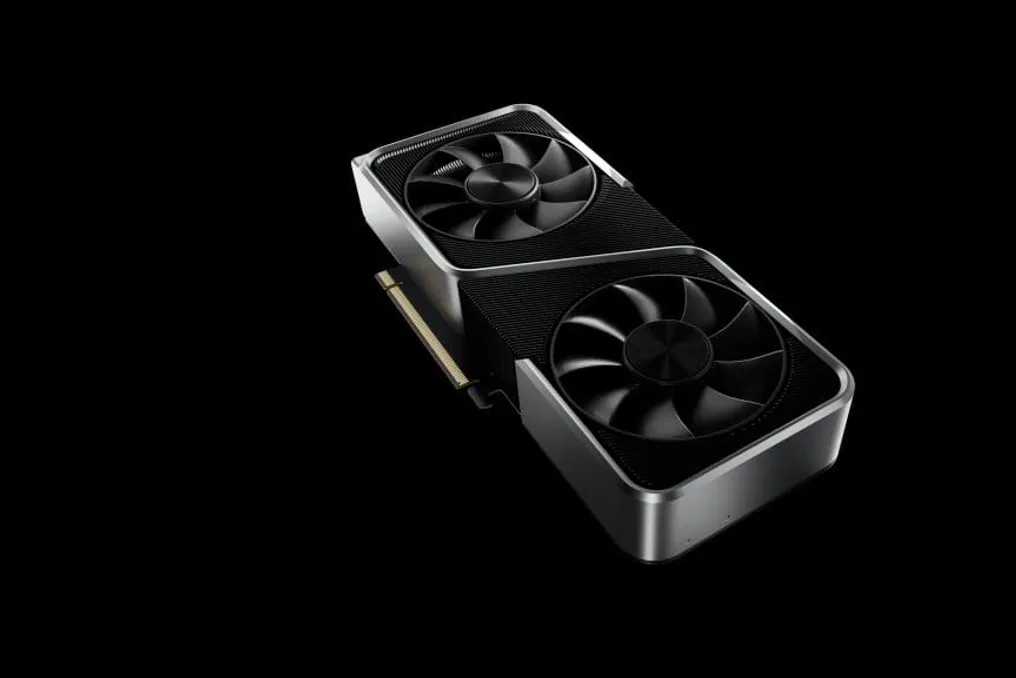
The competition between the gaming industry and the artificial intelligence market for memory chips may keep costs high for consumers for several years. A report released by the Tech Insider portal points out that the worldwide shortage of DRAM and NAND memories, exacerbated by the expansion of AI data centers, has already resulted in price increases for consoles, gaming PCs, and other electronic devices.
Immediate Impact on Consoles and PCs
According to the document, various manufacturers adjusted the prices of their products during 2026. Among the items mentioned are the PlayStation 5, Xbox Series X, Nintendo Switch 2, Steam Machine, and portable gaming PCs, such as the MSI Claw and ROG Ally. All these devices have been affected by the rising cost of memory and storage, components that have become substantially more expensive due to the high demand from the artificial intelligence sector.
AI Priority Over Consumer Electronics
The analysis reveals that the problem began when producers started prioritizing the manufacturing of HBM memories, intended to serve companies responsible for large AI models and data centers. With less capacity allocated to the production of conventional DDR5 and NAND memories, used in smartphones, laptops, and consoles, the prices of these components rose rapidly. The report indicates that the cost of DRAM memory jumped by about 170% throughout 2025, while NAND memory contracts registered increases of over 60% during certain periods.
Market Normalization Prospects
Expectations for a price reduction are not encouraging. According to the report, new factories announced by manufacturers such as Micron will only begin to significantly increase supply starting in 2027 or 2028. Furthermore, estimates from the consultancy Kearney suggest that a full market recovery can only be achieved by 2030. In the meantime, the trend is that manufacturers will continue to face high costs to produce new electronic equipment, including consoles and gaming PCs.
Continued Pressure on the Gaming Sector
The document highlights that the gaming segment is particularly sensitive to this situation, given that consoles and dedicated gaming computers consume large volumes of high-speed memory and storage. If the demand for artificial intelligence infrastructure maintains its current growth, the impact could extend to future generations of hardware, and new price adjustments cannot be ruled out, according to the assessment.