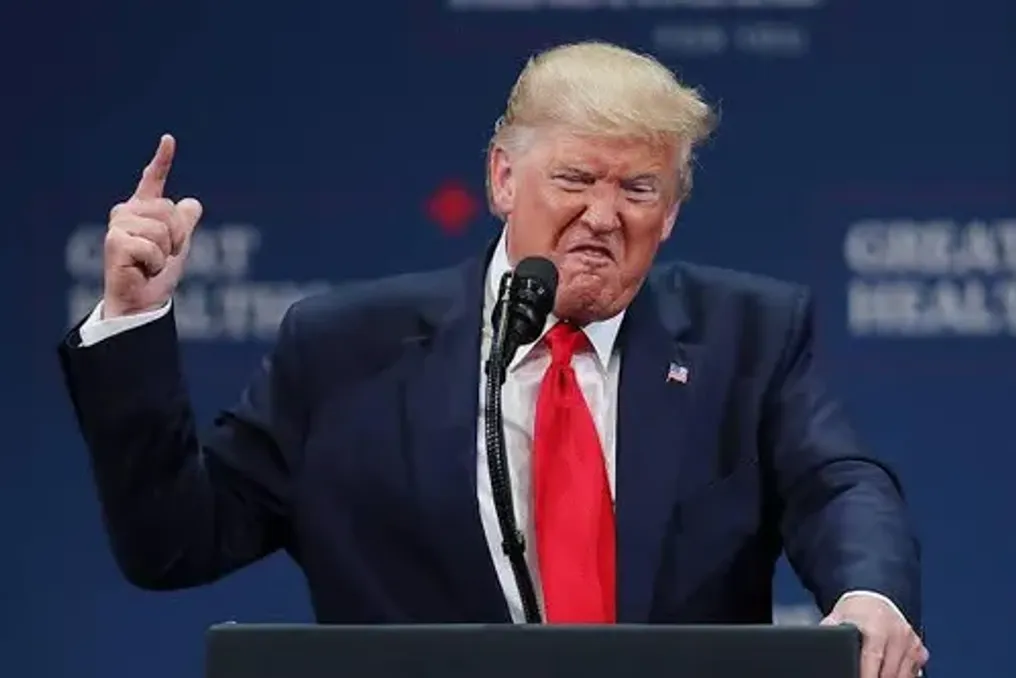
Oil prices plummeted on Monday following a statement by US President Donald Trump about preparing new negotiations with Iran aimed at ending the war in the Middle East, which also contributed to the rise of the stock market.
Crude oil futures fell by more than six percent, despite Iran denying any ongoing negotiations. Meanwhile, the Japanese yen strengthened against the dollar after US and Japanese authorities confirmed on Monday their purchase of the Japanese currency in open markets after several months of weakness.
Although a weaker yen benefits major exporters such as Sony or Toyota, it also increases import costs for Japan, and the main Japanese stock index fell by almost one percent on Monday.
In Asian markets, technology companies suffered significant losses again as traders worry whether massive investments in artificial intelligence will lead to long-term profits. Chip manufacturers SK hynix and Samsung dragged down South Korea's Kospi index after Friday's rally.
European stock markets, which have fewer technology companies compared to their Asian and American counterparts, generally showed steady growth. However, London stabilized after the share price of one of its largest constituents, pharmaceutical group AstraZeneca, dropped by five percent due to reports of a possible merger with US competitor Bristol Myers Squibb.
Besides geopolitical risks, attention is also focused on the prospects of the US economy after the Federal Reserve kept interest rates unchanged last week, despite calls from some of its officials to raise rates to combat inflation.
Kathleen Brooks, research director at trading platform XTB, noted: 'The main focus this week will be on the US nonfarm payroll report, which will be another test of the resilience of the US labor market.'
In currency markets, the dollar showed mixed dynamics: it rose against the pound sterling and the euro, but sharply fell against the yen after rare joint intervention by the US and Japan.
The yen surged late last week after being near its weakest level against the dollar since 1986, driven by higher US interest rates, rising oil prices, and constant capital outflow from Japan.
Despite Monday's drop, oil prices remain significantly higher than levels observed before the United States and Israel launched attacks against Iran, triggering a war that sharply reduced oil and other key product exports from the Persian Gulf.
Trump stated that the latest negotiations between the US and Iran would concern the Strait of Hormuz, which has become a major sticking point in the conflict. His announcement followed threats to 'hit Iran very hard' and reportedly considered resuming attacks, including on energy infrastructure. He withdrew this threat on Saturday, stating that 'perimeters' of the deal exist.
Analysts note that the decline in oil prices was supported by an agreement between Saudi Arabia, Russia, and five other OPEC+ members to increase production by 188,000 barrels per day starting in September.