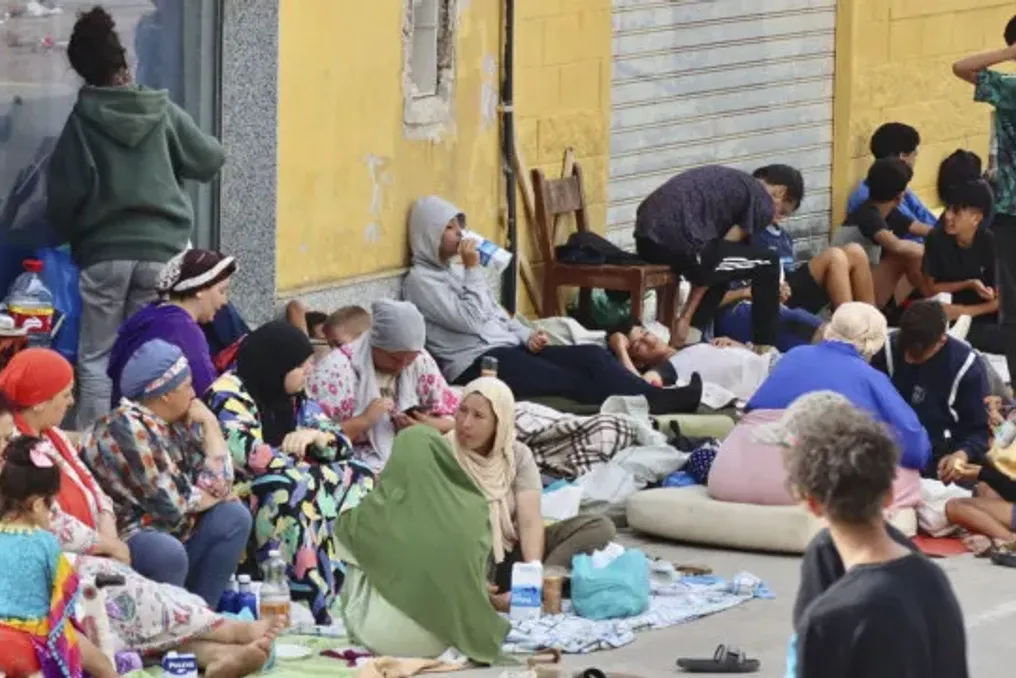
According to sources from the Ceuta government, about 900 children, all of whom are Moroccan citizens, are in three reception centers—La Esperanza, Tarajal Nueva Esperanza, and Pinners.
However, the regional government warned that many minors may be in illegal locations in the city, especially in the mountains, or have not yet been found by local police, who are moving teenagers and young people to appropriate shelters.
Authorities believe that the number of minors under protection may change in the coming hours and exceed a thousand, although it was reported that some of these young people voluntarily returned to Morocco with parents who made an illegal crossing from Morocco.
Nevertheless, local police continue to search for these Moroccans, presumably minors, to hand them over to state-run institutions.
The autonomous Spanish city of Ceuta, located in North Africa, recorded the entry of thousands of migrants from Morocco last week. Local authorities estimate the number of arrivals to be close to 60,000, which is almost as many as permanently reside there. Most migrants have already voluntarily returned to Morocco, according to the Spanish Ministry of the Interior.
According to the latest official report, at least 71 people died trying to reach Ceuta by swimming since Thursday. This incident prompted a reaction from several European leaders, including countries such as Italy, Denmark, Finland, Czechia, and Sweden, who demanded the suspension of Spain's participation in the Schengen area of free movement, and called on other countries, including Portugal, to strengthen border control for fear that thousands of people who reached Ceuta could enter mainland Spain and use the freedom of movement to travel to the rest of Europe.