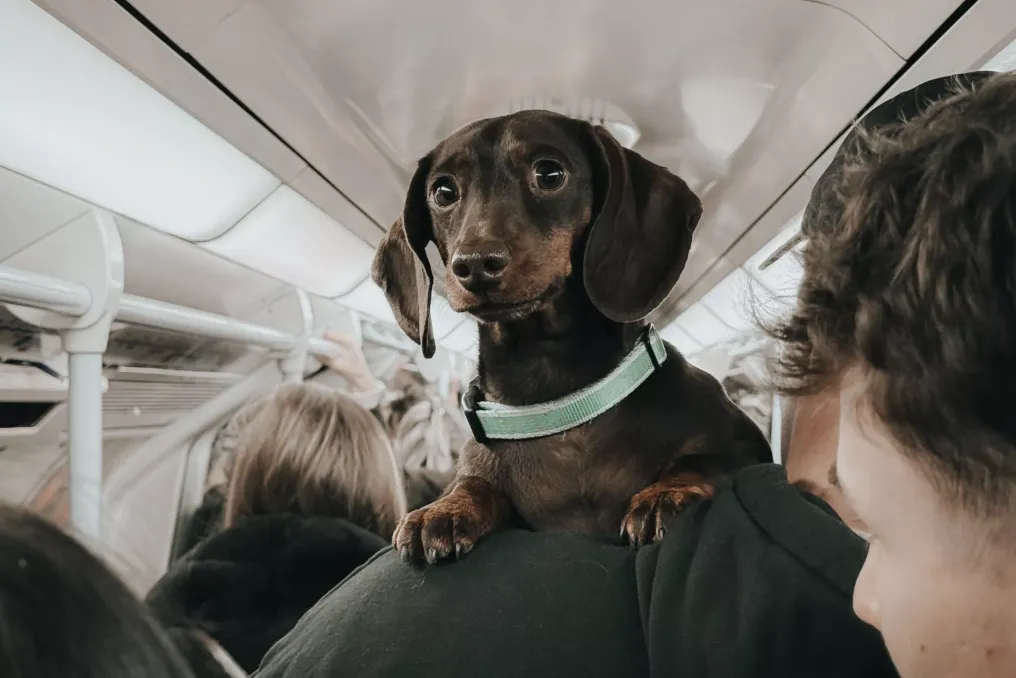
For many residents of South Africa, a vacation feels incomplete if their pets—dogs or cats—are left at home. While a weekend road trip with a pet is usually simple to plan, air travel presents a completely different challenge.
Fortunately, flying with animals in South Africa is possible. However, each airline sets its own rules, and not all furry passengers have the same conditions. While one airline allows small dogs to travel under your seat, others require pets to travel safely in the aircraft's pressurized cargo hold.
If you are planning a move, a long holiday, or simply cannot imagine traveling without your four-legged companion, here is what you should know before booking tickets.
Can animals travel in the cabin?
Unlike many international carriers, most South African airlines do not permit animals to travel in the passenger cabin. Nevertheless, there are exceptions for small dogs and cats provided they meet strict weight and carrier requirements.
Below is a comparison of the country's main airlines.
LIFT
If your dog is small, LIFT is one of the best options. This airline offers special pet-friendly flights where small dogs can travel in the cabin with their owners instead of being in the cargo hold.
However, there are specific conditions. The total weight of the dog and its carrier must not exceed 7 kg, and the carrier must fit comfortably under your seat. Dogs must remain inside the carrier throughout the flight, and booking must be done in advance, as only a limited number of animals are allowed on each special flight. Currently, this service is available only for dogs; cats are not permitted in the cabin.
CemAir
CemAir also allows small domestic cats and dogs to travel in the cabin on certain flights, subject to prior booking and transport in an approved carrier. Larger animals travel in the aircraft's cargo hold, and space for pets in the cabin is limited, so it is recommended to check with the airline before finalizing the booking.
Airlink
On Airlink flights, your pet will not sit by your feet. Instead, domestic cats and dogs travel in a climate-controlled, pressurized cargo hold in an approved transport crate. Although this may seem frightening to first-time pet owners, remember that thousands of animals fly safely this way every year. Airlink requires advance booking, and your pet's vaccination records must be readily available.
FlySafair
FlySafair handles animal transport through a partnership with BidAir Cargo PetLounge. Instead of checking the pet in at the passenger terminal, you leave it at the PetLounge before departure, where trained staff prepares the animals for the flight. Cats and dogs travel in approved crates in the cargo hold, and owners are advised to arrive earlier than usual to complete the necessary documentation.
South African Airways (SAA)
South African Airways also transports animals, although not in the passenger cabin. Animals travel as cargo, requiring documentation that depends on whether you are taking a domestic or international flight. If you are flying abroad, it is also worth checking the destination country's import regulations in advance, as some require veterinary certificates, microchips, or quarantine periods.
How to make the flight easier for your pet
Flying can be unfamiliar and stressful for animals, but some preparation helps greatly.
Let the carrier get used to it
One of the most common mistakes owners make is only taking out the travel crate on the day of departure. Instead, leave it open around the house several weeks before the trip, placing treats, blankets, or favorite toys inside so your pet begins to associate it with comfort, not stress.
Schedule a vet visit before the flight
A quick medical check can reveal any issues that might make flying unsafe. It is also an ideal opportunity to ensure vaccinations are up to date and discuss any concerns about anxious animals.
Choose the right crate
If your pet travels in the cargo hold, the transport crate must comply with International Air Transport Association (IATA) standards. Your pet must be able to stand, turn, and lie down comfortably without touching the top of the crate.
Do not overfeed before the flight
Generally, a light meal is recommended a few hours before departure. Traveling with a full stomach can increase the risk of nausea, although fresh water should always be available until check-in.
Label the crate correctly
Securely attach your contact details, destination address, and emergency phone number to the crate. A recent photo of your pet can also be helpful if airline staff need to identify them.