Mattia Maestri, an Italian youth, passed away at the age of 13. He had been placed in a coma after consuming a piece of contaminated cheese.
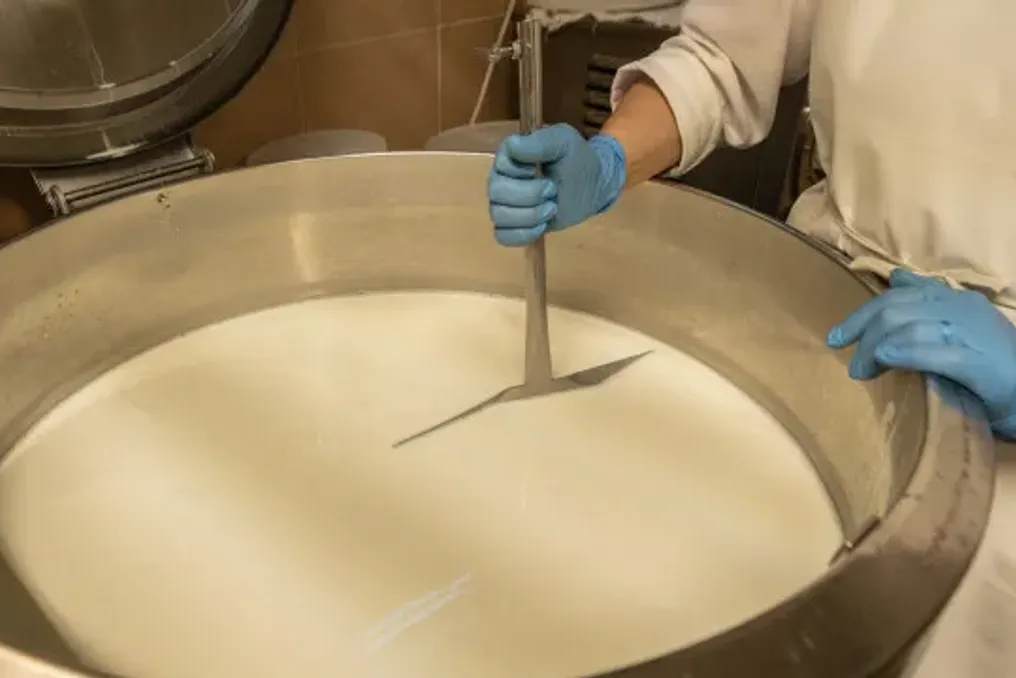
The incident occurred on June 5, 2017, when Mattia, who was only four years old at the time, ingested a slice of cheese made with raw milk. Shortly thereafter, he developed hemolytic uremic syndrome (HUS), a serious condition linked to certain strains of Escherichia coli (E. coli).
After receiving initial care in hospitals, the child was transferred to various health centers. The family alleged that a misdiagnosis and several medical decisions worsened his clinical condition, leading to him entering a coma.
Since then, Mattia remained in a vegetative state for nine years, receiving constant treatment involving 47 daily medications and continuous home care.
The boy's death was announced by his father, Giovanni Battista Maestri, this weekend. He expressed gratitude for the help received, saying: 'Our Mattia has left us, and in his name, I thank you for helping to make his departure less painful,' as reported by La Sicilia.
As a result of this tragedy, the father founded a consumer association focused on the 'risks associated with intrinsically dangerous food products.' Giovanni Battista Maestri stated: 'I cannot save my Mattia, but I will ensure that Mattia can save other children.'
The family initiated legal proceedings to prove the causal link between the contaminated food and Mattia's health condition. Consequently, the Italian judiciary held the former president of the cheesemaking facility and the master cheesemaker responsible for the severe damage caused. Furthermore, the pediatrician who, according to the family, refused to treat the child, was accused of failing in her public service obligations.
Giovanni Battista Maestri chose not to accept financial compensation, dedicating his efforts to promoting legislative changes. He published a book about the dangers of cheeses made with unpasteurized milk and participated in the Italian Parliament to advocate for mandatory visible health warnings on these products, directed at vulnerable groups such as children, pregnant women, the elderly, and immunocompromised individuals.