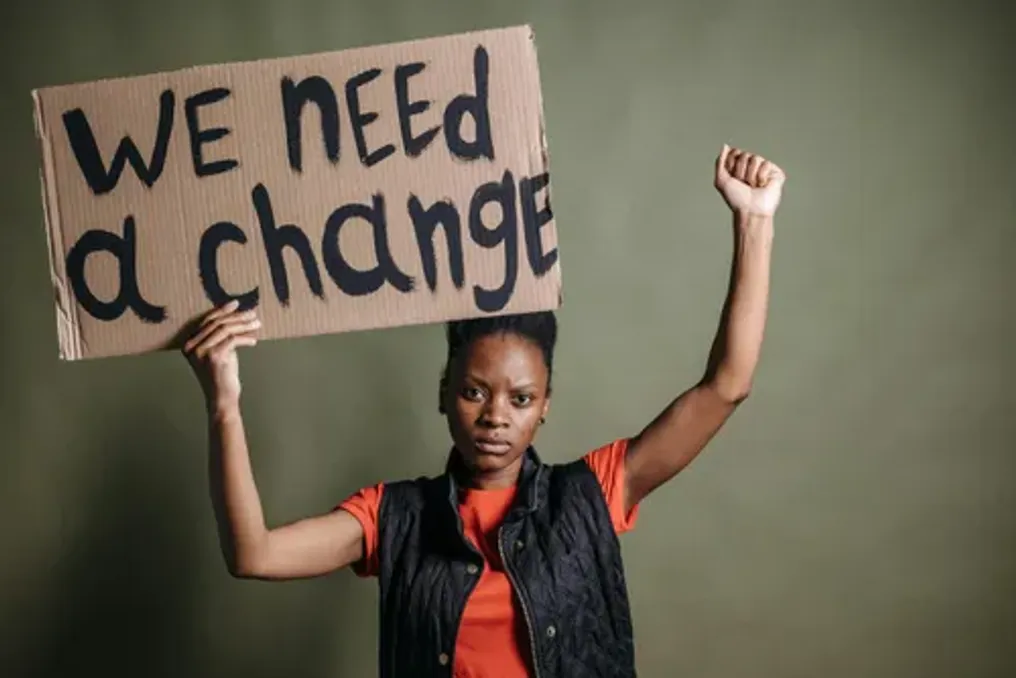
In South Africa, during Women's Month, attention is once again focused on the growing number of women holding leadership positions in business, organizations, and government institutions. Nevertheless, experts point out that many women face an often underestimated obstacle to career advancement—the invisible workload performed outside of work.
The commentary asserts that in addition to existing issues such as workplace discrimination, limited access to funding, and unequal opportunities, professional growth for women continues to be negatively affected by unpaid mental, emotional, and logistical labor. Many women are forced to juggle numerous responsibilities beyond their careers, including childcare, supporting elderly parents, managing family finances, coordinating appointments, and maintaining kinship ties.
Even when household chores are distributed among family members, women often remain responsible for planning and organizing these tasks. According to the commentary, this 'mental load' can lead to decision fatigue, reduced concentration, and emotional exhaustion, which limits the time and energy available for developing leadership skills, networking, and securing high-level career opportunities.
The impact of this phenomenon extends to female entrepreneurs, who may lack the time to focus on business growth, interacting with investors, and expanding enterprises. The article also notes that traditional funding models may favor founders who are often able to travel and remain constantly available.
Technology can help reduce some of the administrative burden. Tools such as shared family calendars, financial management apps, telemedicine, digital healthcare solutions, meal planning platforms, grocery delivery services, and workflow automation can optimize daily duties and free up valuable time.
However, the commentary warns that technology is insufficient to solve structural inequality. Limited access to affordable internet, digital tools, and digital skills means that many women remain excluded from these benefits. Furthermore, there is a risk that technology will only increase women's efficiency in managing an unequal share of unpaid labor, rather than eliminating the imbalance itself.
The article calls on employers to implement truly flexible working conditions, evaluate performance based on results rather than visibility, recognize elder care alongside childcare, and actively support women in leadership roles. It also calls on investors to revise funding criteria that reward constant availability, and on families to share the responsibility for planning and organizing household tasks, rather than just helping with individual chores.
In conclusion, the commentary emphasizes that Women's Month should not only celebrate women who have reached leadership positions but also stimulate action to reduce the invisible labor that continues to limit women's opportunities and advancement.