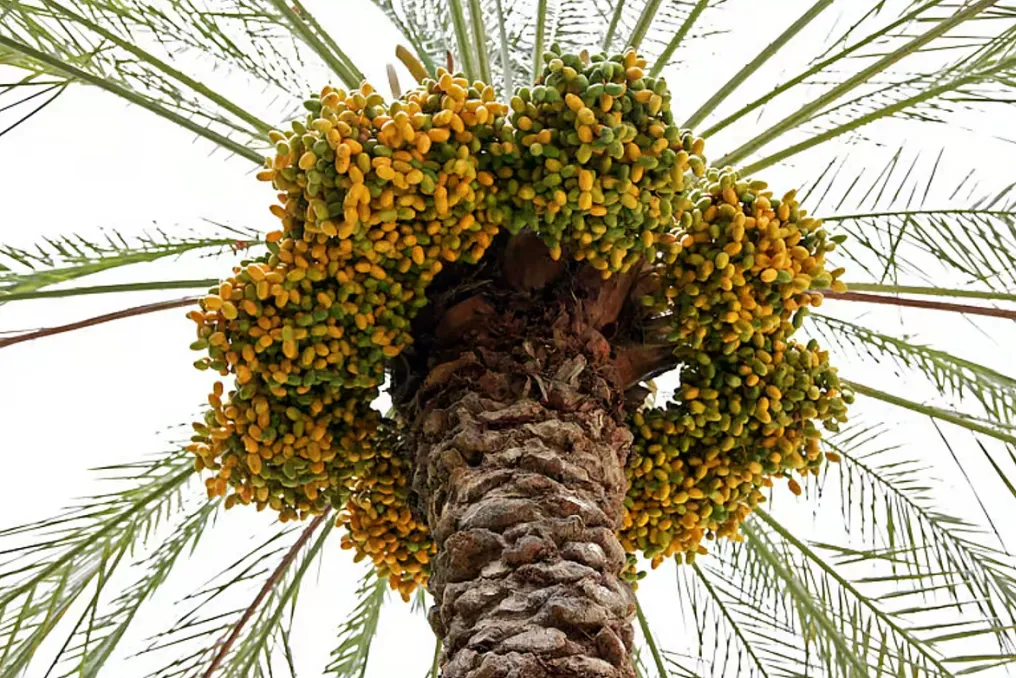
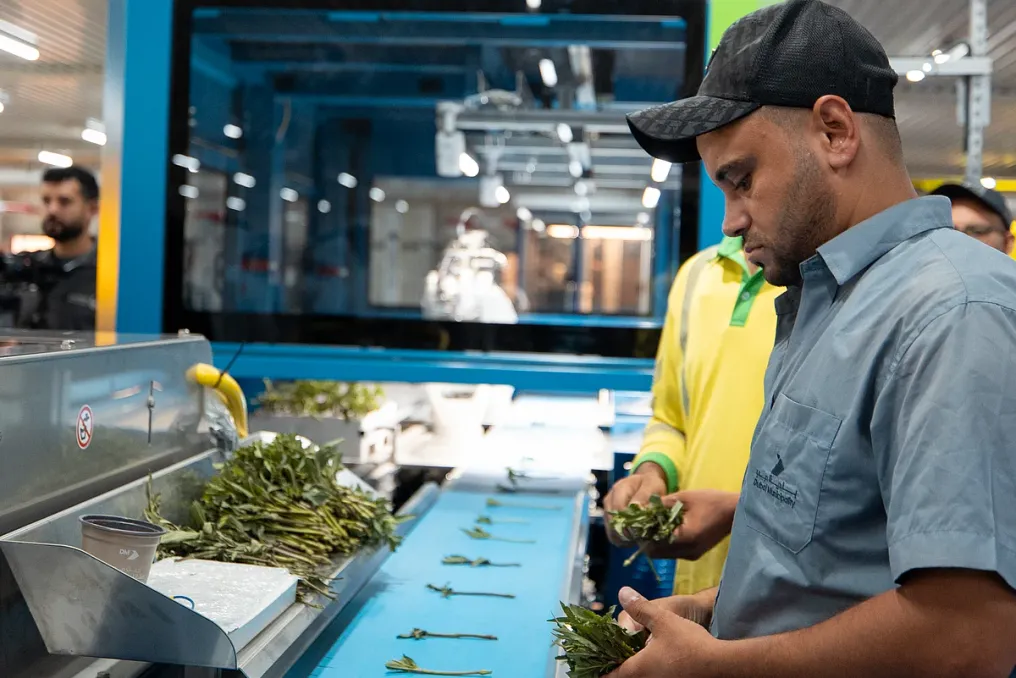
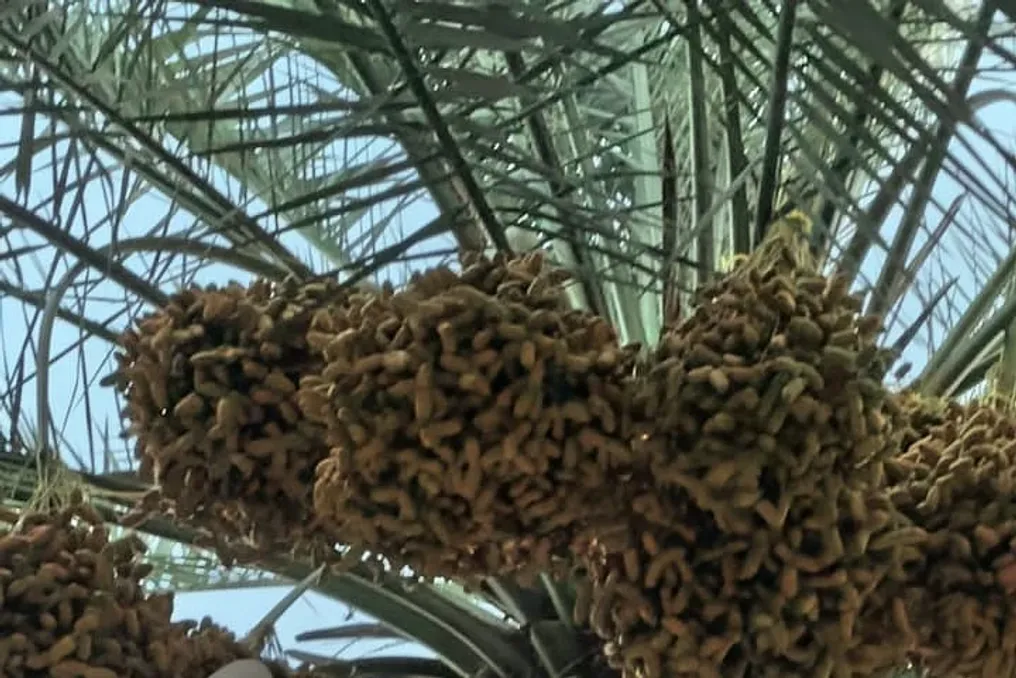
Farmers in the United Arab Emirates are preparing for the harvesting, sorting, and preservation of figs as the rutab season begins, following months of intensive work on the farms.
Preparation for Harvest
On a family farm in Al Dhafra, Fujairah, farmer Rashid Mohammed Al Attar is observing a season where traditional approaches are increasingly integrated with modern technologies to improve quality, extend shelf life, and preserve the heritage of fig cultivation in the UAE.
The rutab season usually starts in June, when the first semi-ripe figs appear in the markets, peaking in July and August when various varieties are harvested across the country. The exact timing depends on the fig variety, weather conditions, and agricultural practices.
Fig Cultivation Process
Al Attar explained that preparation for the harvest begins long before the first rutab appears on the palms. He stated that the fig's life cycle starts with flowering, when pollen from male palms is manually transferred to female ones. This is followed by months of care, including pruning palm leaves, thinning bunches, and cleaning trees to ensure healthy growth.
Farmers must monitor the palms year-round, as every stage of development requires special attention—from irrigation and fertilization to protecting the trees from pests and adverse weather conditions.
Variety Diversity and Application
According to Al Attar, there are many traditional and new fig varieties in Al Dhafra. Among the old local varieties are Sallani, Gal, and Dagma, while traditional varieties such as Ashhal, Kash, and Hamid continue to be cultivated. Among the most well-known types are Bari, distinguished by its bright yellow color and soft texture, and Ihlas, valued for its rich caramel flavor and delicate consistency.
He clarified that not all figs are harvested for the same purpose. Some varieties, including Sallani and Gal, are valued for fresh consumption as rutab because they spoil quickly and are difficult to process into dried figs. Others, like Bari, are naturally sweeter, while some varieties are used primarily for making fig syrup as the fruit ripens.
From Bisr to Rutab: The Fig's Journey
Harvesting begins when the fruit transitions from the bisr stage—an early ripening phase where figs are still hard and have yellow or red skin—to the soft, fully ripe rutab stage. At the beginning of the season, farmers collect small batches as the fruits gradually ripen, before moving to larger harvests during the peak season.
Al Attar noted that humidity remains one of the main challenges for producers, as excessive moisture can reduce fig quality. However, the hot, dry climate of the Persian Gulf plays a key role in fruit ripening and developing its characteristic sweetness. Maintaining quality requires several stages of careful sorting—from harvest to drying, packaging, and final distribution.
Combining Traditional and Modern Processing
In the past, farmers used traditional drying grounds known as Al-Mastakh, open areas where figs were spread out under the sun for natural drying. These areas were traditionally made from hand-woven palm leaves.
Today, many farms use plastic packaging, packing machines, and modern polycarbonate drying rooms, where controlled heat and ventilation promote quick drying while protecting the figs from dust and insects. In addition to traditional methods, the Al Attar family has also implemented modern preservation techniques. In recent years, they have successfully adopted deep freezing technology to preserve selected varieties, such as Bari and Kenaisi, which helps extend shelf life while maintaining quality and increasing the value of the harvest.
Harvest Season for UAE Farmers
Al Attar reported that the current rutab season has been particularly productive. He attributes the abundant harvest to strong rainfall in the region over the last two years, which promoted stronger palm growth and increased yields. Some trees yielded such a rich harvest that the family had to thin the fruit to maintain quality. Although farmers across the UAE follow similar care cycles, each region has its own varieties and challenges.
Preserving Traditions in the UAE
Said Halfan Salem Al Mazroui, a farmer from Wadi Al Helo in Sharjah, stated that work begins as early as February and March with the start of the flowering season. He emphasized that from the beginning of the season, they focus on selecting the best cuttings, pollinating the palms, and caring for the trees until harvest, which includes thinning fruit and bunches, constant monitoring, and providing necessary care for a good yield.
He explained that the palm must be maintained year-round through proper fertilization, soil care, and irrigation, as every growth stage requires different attention. Al Mazroui added that the appearance of rutab varies depending on the palm type: some varieties bear fruit early in the season, others in the middle or closer to the end. Every stage, from flowering to ripening, requires observation, as weather conditions and pests can affect the final yield.
According to Al Mazroui, the UAE palm sector comprises over 40 million trees, and farmers cultivate a wide range of varieties that differ in taste, color, and sugar content. Well-known varieties in the UAE include Ihlas, Bari, Kenaisi, Medjool, Naghal, and Khodri, as well as newer varieties such as Ambera and Helwa Dubai. Farmers face challenges throughout the season, including changing weather conditions and pests such as fig mites, reddish palm weevils, and insects affecting the fruit and trees. He concluded that for Al Mazroui, the rutab season is also a way of preserving a tradition passed down through generations, reflecting the patience and care invested throughout the year.