The Spanish armed forces have started providing assistance to hundreds of migrants residing in a temporary center in the autonomous city of Ceuta. The military is ensuring access to drinking water.
The Spanish armed forces have started providing assistance to hundreds of migrants residing in a temporary center in the autonomous city of Ceuta. The military is ensuring access to drinking water.
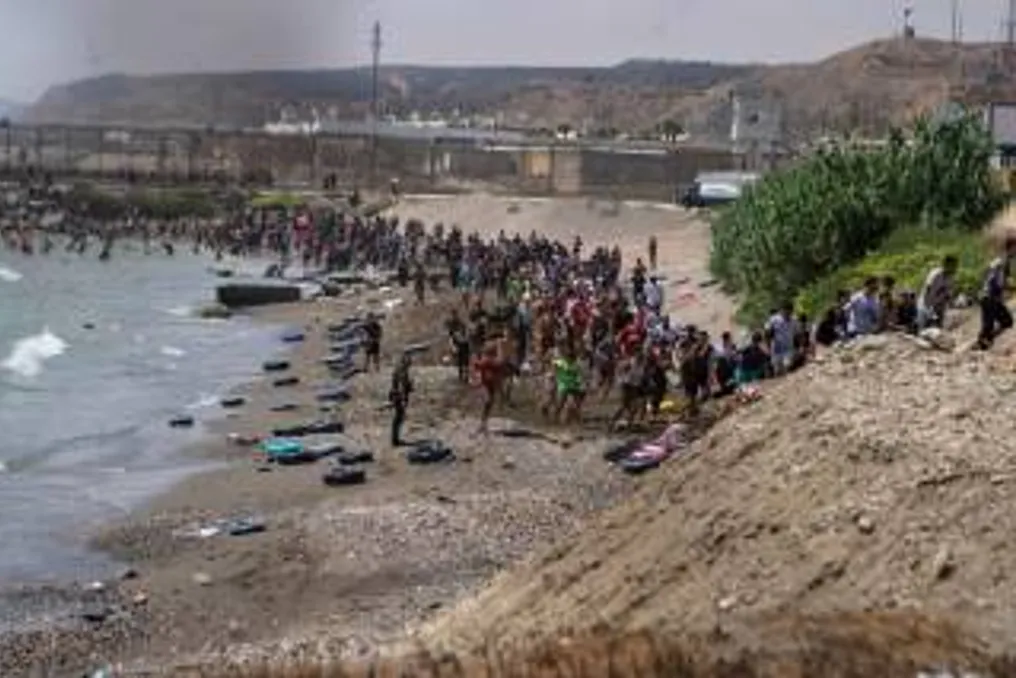
Police officers are monitoring order, making sure that people do not violate discipline when entering the center and during water delivery. According to available information, a large number of undocumented migrants spend days outdoors in harsh conditions, forced to sleep on the ground and search for water supplies.
This situation arose after the Supreme Court of Spain banned the immediate deportation of migrants at the end of last month and granted them the right to seek asylum, which led to a mass arrival of thousands of people from Morocco into the city. Currently, the temporary reception center in Ceuta is overcrowded, and hundreds of people are still waiting their turn to enter.
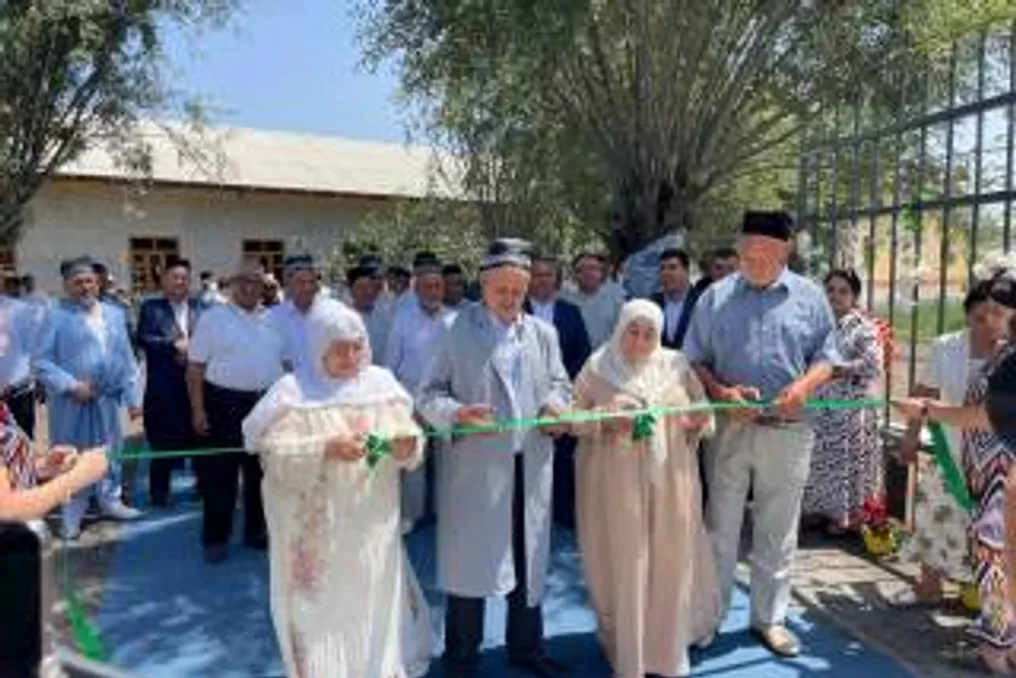
The long-standing water supply problem in the Bogichinor mahalla, located in the Toilok district, has been resolved following the reconstruction of a water facility worth 5 billion sums. Thanks to these works, 860 households, corresponding to 4.3 thousand residents, have gained access to centralized clean drinking water for the first time.
In April of this year, the head of the Presidential Administration visited the residents of the Bogichinor mahalla in the Toilok district of the Samarkand region. During this meeting, the issue of centralized water supply in this area was noted, and it was promised that this matter would be resolved within three months.
In accordance with the planned measures, the water pipeline was repaired in the shortest possible time, a new well was drilled, reservoirs for water storage with a capacity of 250 cubic meters each were built, and a new water pipeline network with a length of 12 kilometers was laid. Parallel to these works, large-scale improvement works were carried out in the mahalla area, as a result of which Bogichinor has turned into a beautiful settlement.
The head of the Samarkand region, A. Boboev, took part in the commissioning ceremony of the water facility, emphasizing that these changes reflect the reforms aimed by the state at respecting human dignity. On the same day, several other new facilities were opened in the Toilok district in honor of the 35th anniversary of our country's independence.
Among them is the start of operations of a new enterprise in the Sochak mahalla, owned by ORZU ABLAKULOV SERVIS LLC, which specializes in the production of modern furniture. This has provided jobs for 50 people. Additionally, in the Varsin mahalla area, a private school and a logistics center were established in partnership with a Turkish entrepreneur under the joint venture 'BRO BEANS'. This project is capable of providing services worth 55 billion sums annually and creating jobs for 90 people.
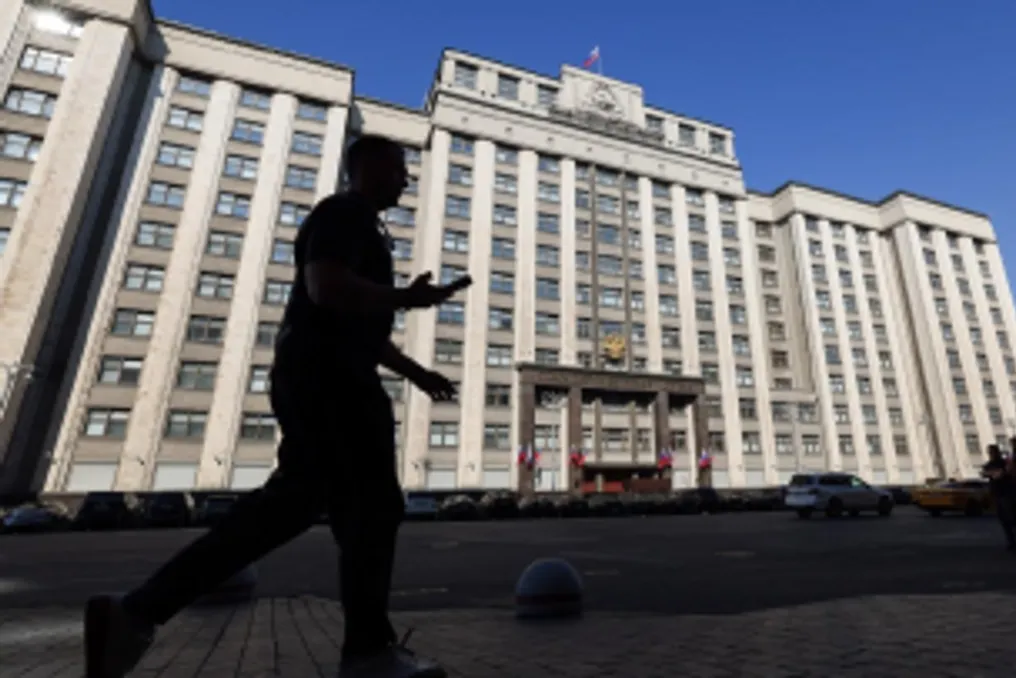
The State Duma of the Russian Federation has adopted a law that prohibits issuing permits for citizenship, temporary or permanent residence to foreign citizens who have been convicted by a court.
Furthermore, the law provides for the possibility of revoking a previously issued residence permit if a criminal record is discovered after its issuance.
The deputies also expanded the list of administrative offenses that serve as grounds for expelling foreigners from Russia. Now punishable are actions such as participation in unauthorized demonstrations, attempts to discredit the Russian army, violation of rules during emergencies, counteracting terrorism or martial law, petty hooliganism, disobedience to the police, and a number of actions related to extremism.
The new legislation will come into force 180 days after being signed by the President. Moreover, the new rules do not apply to refugees and persons holding political asylum in Russia.
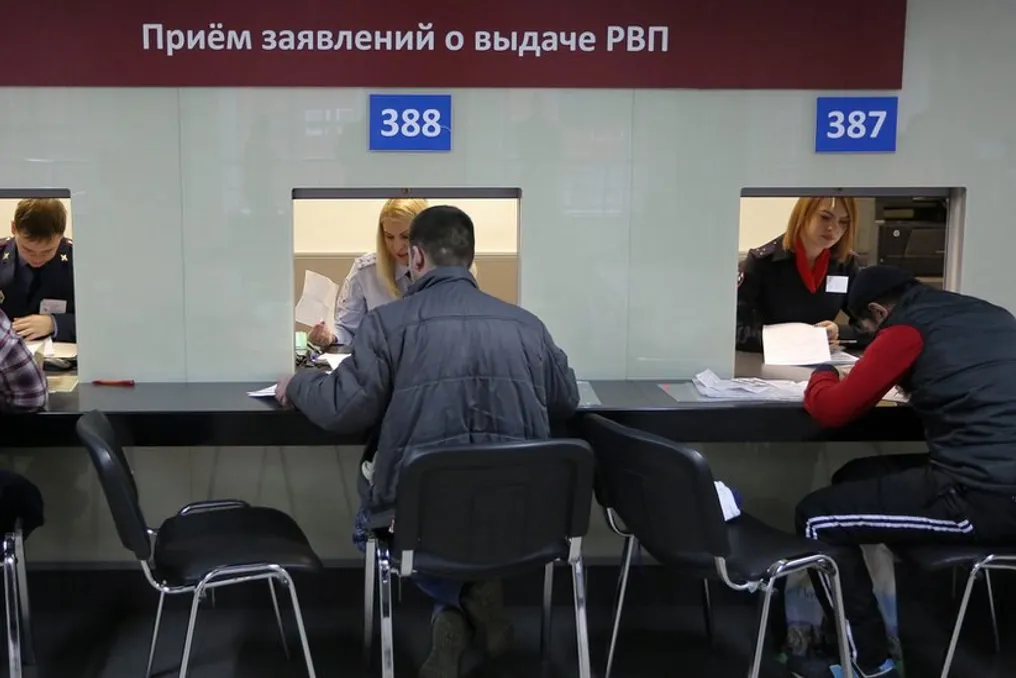
The State Duma of Russia has approved a new law that prohibits foreign citizens with an unspent or unexpunged criminal record from obtaining Russian citizenship, a residence permit (VNZh), or a temporary residence permit (RVP).
This restriction applies regardless of whether the crimes were committed on Russian territory or abroad. The document was officially approved by deputies after passing its second and third, final readings.
According to the law, any unspent or unexpunged criminal record serves as grounds not only for refusing to issue citizenship, VNZh, or RVP but also for subsequently revoking already issued corresponding documents.
Furthermore, foreign citizens over the age of fourteen who wish to apply for RVP or VNZh must now provide a certificate of no criminal record. If the applicant has been convicted previously, they are obliged to provide a document containing information about the crime committed. This certificate must be obtained from the competent authorities of the country of citizenship no later than three months before submitting the application.
Exceptions to this rule include children under 14 years old, refugees, and individuals who have received political or temporary asylum in Russia, who are exempt from the obligation to provide this certificate.