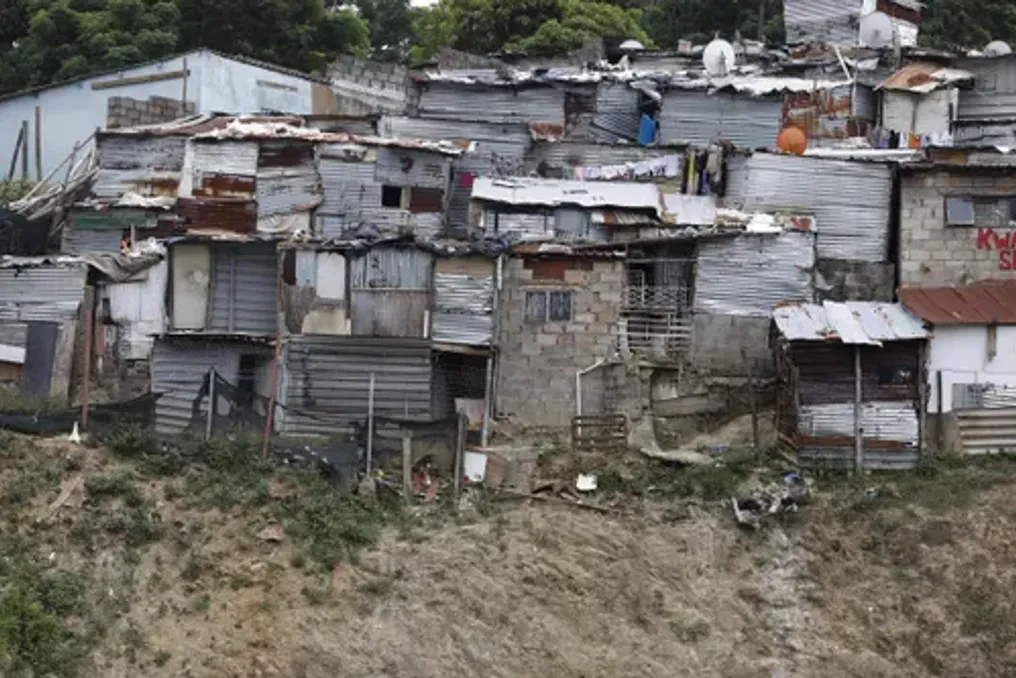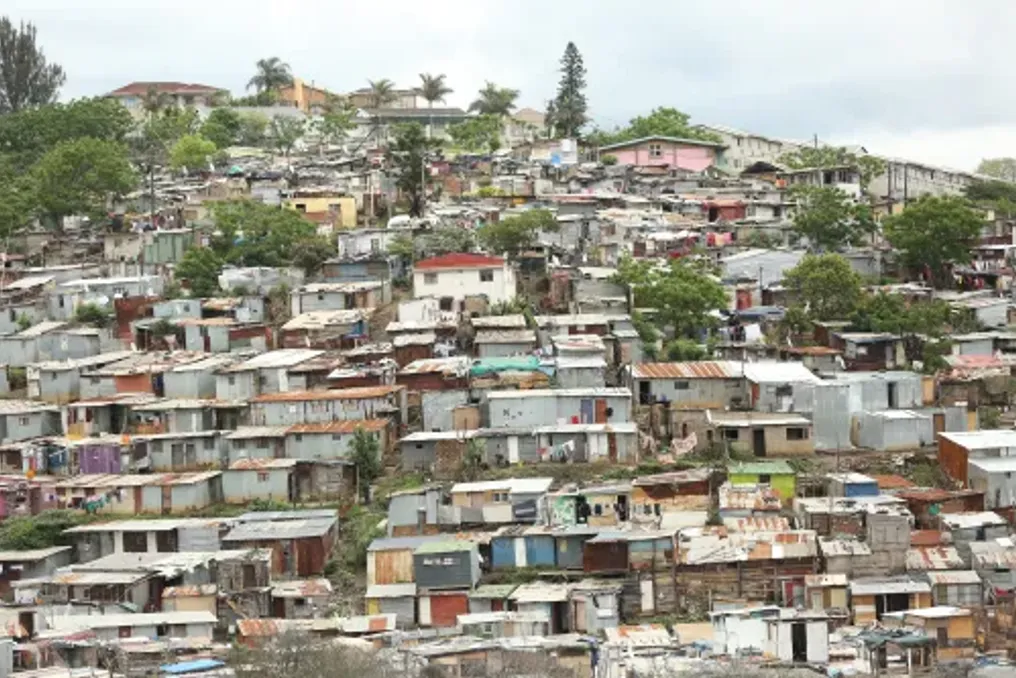
The Housing, Engineering and Transport Committee of the eThekwini municipality called on national and provincial housing departments to develop short-, medium-term, and long-term intervention plans to address issues related to informal settlements.
Ish Praladh, Chairman of the eThekwini Residents Association (ERRA), stated that the municipality is not actively combating the expansion of informal settlements. He noted that if the municipality had taken initiative 20 years ago, residents would not be facing the problem of 600 informal settlements.
Praladh's statement came in response to the municipality's appeal to national and provincial housing departments for assistance in resolving growing difficulties associated with improving conditions in urban informal settlements. Praladh emphasized that the municipality is ignoring the problem, and illegal water and electricity connections are creating a significant burden for ratepayers, while businesses operate in informal settlements without the necessary licenses.
A report from the Housing, Engineering and Transport Committee was presented at the council meeting, which demanded that relevant departments submit intervention plans. The municipality intends to engage with these departments on proposals aimed at improving the implementation process of the eThekwini housing provision program.
The report indicated that the municipality continues to face several challenges due to its unique urban context, which negatively affects the successful implementation and completion of informal settlement upgrading projects. Among the listed problems were: rapid urbanization and settlement growth; lack of suitable land; regulatory complexities, rising costs, and project delays; resettlement issues between areas, re-application for projects, community resistance, and social instability; difficulties with beneficiary data; as well as infrastructure limitations and environmental risks.
The municipality reported that the department is reviewing its implementation strategies and, where necessary, introducing high-density housing types. Consultations are underway with provincial and national departments to develop sustainable implementation models. On Thursday, the municipal council noted its intention to support the development of phased implementation frameworks for projects affected by re-application, land constraints, and financial difficulties.
The council also noted its intention to advocate for increased grant funding and alternative financing mechanisms to meet the growing demand for housing and the upgrading of informal settlements. Furthermore, councillors highlighted support for initiatives aimed at accelerating plan approval, land acquisition, infrastructure provision, and intergovernmental coordination.
eThekwini Ward 30 Councillor Warren Byrne stated that just eight years ago, a group of people erected brick houses along Blinkbonnie Road without any municipal intervention. In his estimation, about 1000 homes have illegal water and electricity connections. He added that 800 homes built in Bonedale in 1994, surrounding a new settlement, are unfairly paying for municipal services, and that other areas of eThekwini face similar problems.
Byrne also pointed out the presence of hundreds of illegal toilets near residential buildings, which discharge sewage either into the ground or through stormwater drains into rivers, the harbour, and beaches. He recalled that in December 2019 and January 2020, officials inspected the site when there were only a few hundred homes, but the municipality delayed, making it difficult for eThekwini to provide proper water, electricity, and sanitation connections.
Nkosinhle Madlala, head of the ANC faction in Exco, reported that a report detailing the problems and proposed solutions has been compiled. She stressed that the funds received from government grants to address this issue are insufficient and called on all stakeholders to work together, not against each other.